Posted on

LMU 282 – Natural Supplement (Phosphatidylserine) Shown to Revere Memory Loss and Slow Key Aspects of Brain Aging

LMU-282

Nurturing Your Memory: The Power of Phosphatidylserine and Memory Support

Source: Frontiers in Aging Neuroscience (2022)

Lifestyle Medicine Update (April 5, 2023)

Understanding the Link: Phosphatidylserine and Memory Loss

As we age, our memory can sometimes falter, partly due to declining levels of phosphatidylserine—a crucial phospholipid found in brain cells’ outer membrane. Normally constituting 5-10% of brain phospholipids, maintaining adequate levels of phosphatidylserine throughout life is vital for youthful brain function.

Insights from Research: Phosphatidylserine Supplementation

A comprehensive review published in the journal Frontiers in Aging Neuroscience delved into the potential of phosphatidylserine supplementation in supporting brain health and tackling memory-related issues. The review highlights phosphatidylserine’s role in binding to various brain proteins, positively impacting brain function. Furthermore, it notes the association between abnormal phosphatidylserine regulation and neurodegenerative conditions such as Alzheimer’s disease, Parkinson’s disease, major depressive disorder, stroke, and autism spectrum disorder.

Evidence of Efficacy: Phosphatidylserine in Action

Numerous studies cited in the review demonstrate phosphatidylserine supplementation’s benefits for conditions like Alzheimer’s disease, major depressive disorder, Parkinson’s disease, and ADHD. Notably, phosphatidylserine supplementation has shown to reduce neuroinflammation, a common feature in neurodegenerative disorders. Moreover, clinical trials have indicated improvements in cognitive function and memory loss in older individuals, Alzheimer’s patients, and those with Parkinson’s disease.

Practical Applications: Memory Support Supplements

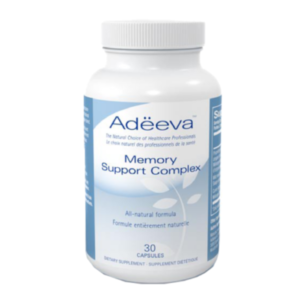
Considering the evidence, it’s suggested that individuals aged 50-55 or older consider incorporating memory support supplements containing phosphatidylserine, CDP-choline, Huperzine A, and Bacopa monnieri. These natural ingredients synergize to maintain youthful acetylcholine levels, inhibit age-related brain changes, and potentially alleviate memory loss associated with conditions like Mild Cognitive Impairment, early-stage Alzheimer’s, and Parkinson’s disease.

Looking Ahead: Proactive Memory Care

Rather than waiting for memory issues to arise, adopting a proactive approach by supplementing with memory support formulations after age 50 or 55 can be beneficial. These supplements not only guard against memory loss but also support overall brain function as one ages.

References:

  1. Ma X et al. “Phosphatidylserine, inflammation, and central nervous system disease.” Frontiers in Aging Neuroscience. 2022: 14 (August 3, 2022). [Link](https://www.frontiersin.org/articles/10.3389/fnagi.2022.975176/full)
  2. Kim BK and Park SK. “Phosphatidylserine modulates response to oxidative stress through hormesis and increases lifespan via DAF-16 in Caenorhabditis elegans.” Biogerontology. 2020; 21 (2): 231-244. [Link](https://pubmed.ncbi.nlm.nih.gov/31915963/#:~:text=Phosphatidylserine%20is%20one%20of%20the,Alzheimer’s%20disease%20in%20the%20elderly)
 

Eat Smart, Live Well, Look Great,

Dr. Meschino

Recommended Supplements
Dr. James Meschino

Dr. James Meschino

ABOUT THE AUTHOR

Dr. James Meschino, DC, MS, ROHP, is an educator, author, and researcher having lectured to thousands of healthcare professionals across North America. He holds a Master’s Degree in Science with specialties in human nutrition and biology and is recognized as an expert in the field of nutrition, anti-aging, fitness, and wellness as well as the author of numerous books.

Posted on

LMU 238 – The Sobering Truth: Even One Drink Per Day Alters Your Brain

LMU-238

The Sobering Truth: Even One Drink Per Day Alters Your Brain

Source: Medscape Publication (April 13, 2022)

Lifestyle Medicine Update (April 14, 2022)

Introduction:

Recent research has unveiled startling connections between even modest alcohol consumption and detectable brain changes. A massive study involving over 36,000 healthy adults aged 40 to 69 in the UK found that as alcohol intake increased, both gray and white matter brain volume decreased. Notably, the study discerned subtle variations, demonstrating that even one or two daily drinks could impact brain health. These findings underline the importance of exercising caution in alcohol consumption, considering the significant ramifications it may have on our overall well-being and cognitive health.

A Surprising Revelation

In a startling revelation, recent findings have shed light on the subtle yet significant effects of even modest alcohol consumption on the human brain. As reported by Medscape on April 13, 2022, this research delves into the intriguing relationship between alcohol intake and detectable brain changes.

Probing the Brain: A Massive Study

A colossal study involving 36,678 healthy adults in the United Kingdom, ranging from ages 40 to 69, laid the foundation for this groundbreaking discovery. Researchers meticulously examined functional MRI brain scans of these participants and compared the results to their weekly alcohol consumption. This thorough analysis factored in variables such as age, gender, height, socioeconomic status, and country of residence, among others.

A Gradual Unravelling: Alcohol’s Impact

Unveiling a rather sobering truth, the study reinforced prior research by reaffirming that the more one indulges in alcoholic beverages, the faster the brain undergoes changes. Specifically, these changes manifest as a reduction in both gray and white matter brain volume. As the researchers succinctly put it, “as a person’s alcohol intake increased, their gray matter and white matter volume decreased, worsening with each additional weekly drink.”

The Astonishing Find: Just One Drink

What sets this study apart is its ability to discern even subtle variations in brain images. It successfully distinguished between brain scans of individuals who abstained from alcohol altogether and those who consumed merely one or two drinks a day. Shockingly, this differentiation underscores the impact of even one daily alcoholic drink on brain health.

An Alarming Cascade

The consequences of this revelation extend further. The transition from consuming one unit of alcohol to two, equivalent to roughly a pint of beer, was associated with changes akin to two years of brain aging. For heavier drinkers, the trajectory of brain deterioration is steeper, a sobering reality that highlights the gravity of this issue.

The Unspoken Connection: Brain Shrinkage and Cognitive Health

The relationship between brain shrinkage and cognitive well-being is a compelling one. Numerous studies have affirmed that the rate of brain shrinkage is intrinsically tied to memory loss, cognitive impairment, and an elevated risk of Alzheimer’s disease. This adds a critical layer of importance to the findings of this study.

A Wake-Up Call for Wellness

As we navigate the intricate landscape of health and longevity, it becomes increasingly evident that alcohol, even when consumed in moderation, poses a formidable threat to our well-being. The research from various fields, encompassing cancer, heart disease, memory loss, brain function, immunity, and more, consistently underscores the risks associated with alcohol consumption, even at minimal levels.

A Call to Action

In light of these revelations, the message is clear: proceed with caution when it comes to alcohol. If possible, consider abstaining altogether or exercise extreme prudence in its consumption. Your health and quality of life may depend on it.

Reference:

“Just one extra drink a day may change the brain.” Medscape, April 13, 2022.[Read the article](https://www.medscape.com/viewarticle/970355?uac=342474MN&faf=1&sso=true&impID=4143181&src=wnl_tp10n_220407_mscpedit)


Eat Smart, Live Well, Look Great,

Dr. Meschino

Dr. James Meschino

Dr. James Meschino

ABOUT THE AUTHOR

Dr. James Meschino, DC, MS, ROHP, is an educator, author, and researcher having lectured to thousands of healthcare professionals across North America. He holds a Master’s Degree in Science with specialties in human nutrition and biology and is recognized as an expert in the field of nutrition, anti-aging, fitness, and wellness as well as the author of numerous books.

Posted on

LMU – 185 Alcohol and the Brain: Unveiling the Lifelong Impact

LMU-185

LMU – 185 Alcohol and the Brain: Unveiling the Lifelong Impact

Source: British Medical Journal December 2020

Lifestyle Medicine Update (Dec 11, 2020)

Introduction:

Alcohol, a ubiquitous social lubricant, has long held a complex relationship with the human brain. A groundbreaking study, unveiled in the British Medical Journal in December 2020, casts a sobering light on the detrimental effects of alcohol consumption at three critical junctures in our lives: during gestation, in late adolescence, and in older adulthood. While the neurotoxic nature of alcohol is well-documented, this research underscores how its impact intensifies during these pivotal stages.

Alcohol and Gestation: A Risky Mix

The journey begins during gestation, encompassing the period from conception to birth. Alarmingly, approximately 10% of pregnant women worldwide consume alcohol, with European countries notably exceeding this global average. The consequences of heavy alcohol use during pregnancy manifest as fetal alcohol spectrum disorder, marked by widespread reductions in brain volume and cognitive impairment. However, even low to moderate alcohol intake during pregnancy correlates significantly with adverse psychological and behavioral outcomes in children.

Adolescence and Alcohol: A Lethal Liaison

As we transition to adolescence, the impact of alcohol on the developing brain becomes starkly evident. Over 20% of 15-19-year-olds in high-income countries, including Europe, admit to occasional binge drinking—an alarming statistic. Binge drinking, defined as consuming 60 grams of ethanol in a single occasion (equivalent to six standard drinks), leads to reduced brain volume, impaired white matter development (critical for efficient brain functioning), and moderate deficits in cognitive functions. These effects are concerning as they disrupt the crucial formative years of cognitive development.

Alcohol’s Impact on Aging Brains: A Concerning Reality

The study’s revelations extend to older adulthood, where the insidious effects of alcohol persist. Alcohol use disorders emerge as a formidable modifiable risk factor for all types of dementia, especially early-onset, overshadowing established risk factors like high blood pressure and smoking. While alcohol use disorders are relatively uncommon among older adults, even moderate drinking has been linked to a slight but significant reduction in brain volume.

Compounding Challenges: Demographics and Beyond

Intriguingly, shifting demographic trends have further complicated the landscape. Women now mirror men in alcohol consumption and its associated harm, while global alcohol consumption is predicted to escalate in the coming decade. The ongoing COVID-19 pandemic’s influence on alcohol use and related consequences remains uncertain, though past public health crises have witnessed enduring increases in alcohol consumption.

A Call for Holistic Harm Reduction

Given these multifaceted challenges, the researchers advocate for an integrated harm reduction approach across all age groups. They emphasize the need for population-based interventions, such as low-risk drinking guidelines, alcohol pricing policies, and stricter drink-driving limits, complemented by the development of training and care pathways that acknowledge the lifelong vulnerability of the human brain.

It’s worth noting that alcohol consumption stands as the second most common environmental cause of cancer, trailing only behind cigarette smoking, contributing to approximately 3.5% of all annual cancer deaths in the United States.

Conclusion:

In conclusion, this study underscores the profound and lasting impact of alcohol on the human brain, with consequences that ripple across the stages of life. While the allure of alcohol persists, a comprehensive approach to mitigate its harm becomes increasingly imperative.

Reference:

Louise Mewton, Briana Lees, Rahul Tony Rao. Lifetime perspective on alcohol and brain health. BMJ, 2020. [Read more](https://www.bmj.com/content/371/bmj.m4691)

National Cancer Institute: Alcohol and Cancer Risk. [Read more](https://www.cancer.gov/about-cancer/causes-prevention/risk/alcohol/alcohol-fact-sheet)

Eat Smart, Live Well, Look Great,

Dr. Meschino

Dr. James Meschino

Dr. James Meschino

ABOUT THE AUTHOR

Dr. James Meschino, DC, MS, ROHP, is an educator, author, and researcher having lectured to thousands of healthcare professionals across North America. He holds a Master’s Degree in Science with specialties in human nutrition and biology and is recognized as an expert in the field of nutrition, anti-aging, fitness, and wellness as well as the author of numerous books.

Posted on

LMU – 175 Unlocking the Crucial Role of Vitamin E in Pregnancy Success

LMU-175

LMU – 175 Unlocking the Crucial Role of Vitamin E in Pregnancy Success

Sources: Multiple Peer-reviewed Medical and Scientific Journals

Lifestyle Medicine Update (October 1, 2020)

Introduction:

In the intricate journey of pregnancy, the significance of vitamin E, specifically alpha-tocopherol, has recently come to the forefront. Over the past decade, a series of compelling studies has underscored the pivotal role that this essential nutrient plays in ensuring a successful pregnancy. In this article, we will delve into the science behind vitamin E and its profound impact on the various stages of pregnancy.

The Link Between Vitamin E and Miscarriage

In a groundbreaking study from 2015, researchers illuminated a concerning association between vitamin E deficiency and the risk of miscarriage during the first trimester of pregnancy. Women with vitamin E blood levels below 12 umol/L faced nearly double the risk of experiencing a miscarriage, highlighting the critical role of this nutrient during early pregnancy[^1^].

The Mechanisms Behind Vitamin E’s Role

Understanding why vitamin E is indispensable during pregnancy requires a closer look at the mechanisms it influences. Studies have revealed that vitamin E serves as a linchpin for several vital functions in the endometrium during pregnancy[^2^]. Particularly in the first trimester, vitamin E orchestrates the synthesis of Interleukin-6 (IL-6) and Vascular Endothelial-Derived Growth Factor (VEGF). These factors are instrumental in fostering the growth of new blood vessels within the endometrium, creating an optimal environment for the embryo’s implantation. Additionally, vitamin E plays a pivotal role in modulating key aspects of immune function, reducing the risk of the mother’s body rejecting the developing embryo.

Vitamin E and Fetal Brain Development

The significance of vitamin E extends beyond the mother’s well-being, encompassing the development of the growing fetus. Vitamin E deficiency can lead to lipid peroxidation, which disrupts normal fetal brain development and the crucial process of methylation[^3^]. Just as folic acid is essential to prevent neural tube defects, vitamin E ensures that the fetus receives an adequate supply of choline for methylation reactions. This deficiency not only puts the fetus at risk for neural tube and brain-related issues but also elevates free radical damage in the fetal brain and body.

Fetal Growth, Lung Development, and Asthma Risk

A study in 2008 unveiled a compelling correlation between a mother’s vitamin E blood levels and fetal growth, as well as lung development[^4^]. Higher vitamin E levels were associated with increased fetal growth and improved lung development in utero. Furthermore, five years after birth, children born to mothers with low vitamin E blood levels during the first trimester exhibited a higher predisposition to asthma and scored lower on respiratory function tests.

The Alarming Reality of Vitamin E Deficiency

As evidence accumulates, it becomes increasingly apparent that maintaining adequate vitamin E levels is crucial for a successful pregnancy. Shockingly, reports suggest that approximately 96% of American women fail to meet recommended daily intake levels for vitamin E[^5^]. This stark reality underscores the urgency for women planning to conceive or already pregnant to undergo a vitamin E blood test to ensure their levels exceed 12 umol/L (5.5-18.0 mg/L).

Recognizing the Rarity of Severe Vitamin E Deficiency

While vitamin E deficiency remains rare in modern society, individuals with malabsorption issues related to intestinal ailments are most vulnerable[^6^]. However, findings from the National Health and Nutrition Examination Survey III (NHANES III) revealed that about one-third of all American participants had blood concentrations of vitamin E (α-tocopherol) below 20 μmol/L, a value historically associated with decreased cardiovascular disease risk.

Conclusion: Empowering Pregnancy with Vitamin E

In conclusion, vitamin E emerges as a potent ally in ensuring a successful pregnancy journey. Its multifaceted roles in preventing miscarriage, promoting fetal brain and lung development, and mitigating asthma risk underscore its importance. With a significant portion of women failing to meet recommended vitamin E intake levels, requesting a vitamin E blood test (alpha-tocopherol) becomes imperative for those planning to conceive or already pregnant. In striving for healthy pregnancies, vitamin E stands as a powerful safeguard for both mothers and their precious unborn children.

References:

  1. American Journal of Clinical Nutrition. 2015; 101(2):294.                                                                                                                                                            [Read more](https://academic.oup.com/ajcn/article/101/2/294/4494385)
  2. PubMed. 2012; 22819759.                                                                                                                                                                                                                              [Read more](https://pubmed.ncbi.nlm.nih.gov/22819759/) 
  3. Nature Scientific Reports. 2020; 10(1):1-10.                                                                                                                                                                                          [Read more](https://www.nature.com/articles/s41598-020-71760-x)
  4. PubMed. 2010; 20435859.                                                                                                                                                                                                                            [Read more](https://pubmed.ncbi.nlm.nih.gov/20435859/)
  5. Health and Science. 2021.                                                                                                                                                                                                                            [Read more](https://www.healthandscience.eu/index.php?option=com_content&view=article&id=1114:lack-of-vitamin-e-is-widespread-and-it-increases-the-risk-of-fetal-damage-and-miscarriage-us&lang=us&Itemid=363)
  6. Linus Pauling Institute, Oregon State University.                                                                                                                                                                              [Read more](https://lpi.oregonstate.edu/mic/vitamins/vitamin-E)
 
Eat Smart, Live Well, Look Great
 

Dr. Meschino

Dr. James Meschino

Dr. James Meschino

ABOUT THE AUTHOR

Dr. James Meschino, DC, MS, ROHP, is an educator, author, and researcher having lectured to thousands of healthcare professionals across North America. He holds a Master’s Degree in Science with specialties in human nutrition and biology and is recognized as an expert in the field of nutrition, anti-aging, fitness, and wellness as well as the author of numerous books.

Posted on

LMU 129 – Creatine Improves Neurocognition in Vegetarians

LMU-129

LMU 129 – Enhancing Brain Power: The Role of Creatine in Vegetarian Diets

Source: The American Physiology Society Press Release (April 8, 2019)

Lifestyle Medicine Update (May 16, 2019)

Introduction

In the realm of dietary choices, a noteworthy trend is emerging among the younger generation—a shift towards embracing a more vegetarian lifestyle. Whether driven by health concerns, ethical values, or environmental consciousness, this shift signifies a profound shift in dietary landscapes. While the benefits of a vegetarian diet are aplenty, one aspect often remains overlooked—the impact on a vital nutrient called creatine. Exploring the interplay between vegetarian diets, brain health, and creatine supplementation uncovers a fascinating narrative of nourishment and cognition.

The Nutrient Mosaic: Vegetarian Diets and Creatine

The symphony of reasons steering individuals towards vegetarianism is diverse—health and ethical considerations find their harmonious place. Health-wise, vegetarians boast a lower incidence of several cancers, heart disease, and cardiovascular ailments. Ethical motivations often revolve around animal welfare and environmental stewardship. However, within this harmonious tapestry lies a potential gap—a deficiency in creatine, an essential nutrient for both muscles and the brain.

Unveiling Creatine’s Dual Role: Muscles and Mind

Creatine’s dual role is a tale of two vital domains—muscles and the mind. Muscles rely on creatine for lean mass support, muscle growth, and strength. Meanwhile, the brain finds its ally in creatine, which fuels energy production and sustains optimal cognitive function. The dichotomy lies in the origin of creatine-rich sources—meat, pork, poultry, and fish. Studies reveal that individuals consuming these animal protein foods exhibit higher brain cell creatine content compared to their vegetarian counterparts.

Research Voyage: Creatine Supplementation and Neurocognitive Enhancement

Embarking on a research voyage, a team from Stetson University in Florida embarked on a study that could potentially bridge the creatine gap in vegetarians. Enter creatine supplementation—the spotlight of the study. The methodology was elegant in its simplicity—vegetarian participants underwent neurocognitive testing (ImPACT Test) before and after a four-week creatine supplementation period. The results ignited intrigue—those who incorporated creatine supplements demonstrated significant enhancement in neurocognitive scores.

The Luminary Role of Creatine: Boosting Neurocognitive Function

Delving deeper, one must grasp the significance of neurocognitive function—a grand orchestra of cognitive faculties encompassing concentration, memory, information processing, learning, speech, and comprehension. Creatine, as the study underscores, acts as a conductor for this orchestra, orchestrating an improvement in these essential brain functions. Curiously, the same enhancement was not observed in meat eaters who consumed creatine, as their diet already provided ample reserves of this brain-boosting nutrient.

A Creative Resolution: Embracing Creatine Supplementation

For those journeying down the vegetarian path or embracing a predominantly plant-based diet, the crevices of creatine deficiency beckon a creative resolution—creatine supplementation. Often available in powder form, this nutrient can be seamlessly incorporated into daily rituals. A fusion of 1-2 teaspoons into a juice concoction or protein shake serves as an elixir for optimal neurocognitive function. Beyond its cognitive prowess, creatine also stands guard against age-related muscle decline, safeguarding lean mass.

Conclusion: Nourishing the Mind and Muscles

As the final chord resonates, a harmonious narrative emerges—a narrative of nourishment. The decision to embrace vegetarianism carries profound implications for health, ethics, and the environment. Yet, nestled within this virtuous journey is the art of balancing nutrient scales. Creatine, an unsung hero, bridges the gap, supporting brain function and muscle vitality. In this dietary symphony, creativity manifests as creatine supplementation—a pathway to fortify both mind and muscles.

References:

The American Physiology Society Press Release (annual meeting at Experimental Biology 2019 in Orlando, Florida). April 8, 2019.

[Research Link](https://www.researchgate.net/publication/49646067_The_influence_of_creatine_supplementation_on_the_cognitive_functioning_of_vegetarians_and_omnivores)


Eat Smart, Live Well, Look Great,

Dr. Meschino

Dr. James Meschino

Dr. James Meschino

ABOUT THE AUTHOR

Dr. James Meschino, DC, MS, ROHP, is an educator, author, and researcher having lectured to thousands of healthcare professionals across North America. He holds a Master’s Degree in Science with specialties in human nutrition and biology and is recognized as an expert in the field of nutrition, anti-aging, fitness, and wellness as well as the author of numerous books.

Posted on

LMU 11 – Slowing Brain Shrinkage with Vitamin B12: A Key to Preventing Alzheimer’s and Cognitive Decline

LMU-11

LMU 11 – Slowing Brain Shrinkage with Vitamin B12: A Key to Preventing Alzheimer's and Cognitive Decline

Source: Journal of the American Medical Association (June, 2016)

Lifestyle Medicine Update (June 4, 2016)

Introduction:

As we age, one of the concerning aspects is the shrinking of the brain, which is associated with an increased risk of Alzheimer’s disease and cognitive impairment. However, recent research on the neuroprotective effects of vitamin B12 has shed light on a potential solution to this problem. This article explores the findings of significant studies that highlight the role of vitamin B12 in slowing brain shrinkage and reducing the risk of dementia and Alzheimer’s disease.

Evidence from the JAMA-Psychiatry Study

A pivotal study published in June 2016 in the Journal of the American Medical Association – Psychiatry presented compelling evidence of the impact of vitamin B12 on brain shrinkage. The research followed 501 subjects aged 60 years and older, without dementia at the study’s onset, from 2001 to 2009. During the six-year follow-up, 299 subjects underwent routine MRI imaging of their brains. The results were striking, indicating that individuals with higher blood levels of vitamin B12 exhibited a significant decrease in the rate of brain tissue volume loss compared to those with lower levels of the vitamin.

The Neuroprotective Mechanisms of Vitamin B12

The protective effects of vitamin B12 on the brain are multifaceted. Firstly, it directly prevents the loss of brain cells, thereby slowing brain shrinkage. Additionally, vitamin B12 reduces the levels of homocysteine in the blood. Elevated homocysteine has been linked to brain shrinkage and an increased risk of Alzheimer’s disease in numerous studies. Thus, the ability of vitamin B12 to lower homocysteine levels presents a complementary pathway through which it may mitigate brain atrophy.

Insights from White Matter Hyperintensity

The 2016 JAMA-Psychiatry study also explored the association between vitamin B12 levels, homocysteine levels, and White Matter Hyperintensity (WMI) on MRI scans. The results revealed that individuals with lower vitamin B12 levels and higher homocysteine levels demonstrated increased WMI, strongly linked to heightened risks of cognitive decline and other mental health disorders. Considering that mild cognitive impairment (MCI) often precedes Alzheimer’s disease, these findings highlight the potential significance of vitamin B12 in early intervention strategies.

The Oxford Project to Investigate Memory and Aging (OPTIMA) and VITACOG Study

The OPTIMA and VITACOG studies focused on individuals over 70 with pre-existing MCI. Half of the participants were given a B-vitamin supplementation regimen consisting of folic acid (800 mcg), vitamin B12 (500 mcg), and vitamin B6 (20 mg) daily for two years, while the other half received a placebo. Remarkably, the group receiving B-vitamin supplementation experienced a 30% average reduction in brain shrinkage, and in some cases, the drop reached up to 53%. Moreover, cognitive tests demonstrated that the rate of brain shrinkage correlated with the pace of cognitive decline.

The Significance of Slowing Brain Atrophy

Slowing brain shrinkage or atrophy is crucial to preserving cognitive function as we age. The average brain shrinkage rate for individuals over 60 without MCI is 0.5% annually. In contrast, those with MCI have a brain shrinkage rate of 1%, while Alzheimer’s patients exhibit an average brain shrinkage rate of 2.5% annually. Consequently, any intervention that can mitigate brain atrophy holds great potential for enhancing healthy life expectancy and overall quality of life.

Conclusion

The evidence presented in various research studies suggests that vitamin B12 is pivotal in slowing brain shrinkage, reducing the risk of Alzheimer’s disease, and preserving cognitive function. While drug-based interventions for this purpose are yet to yield significant results, B-vitamin supplementation has shown promising effects in clinical studies. It is, therefore, prudent for individuals to monitor their blood levels of homocysteine, vitamin B12, and red blood cell folic acid levels and consider a simple B-vitamin supplementation regimen to support brain health and combat age-related cognitive decline.

References:

  1. Medscape, May 11, 2016 (http://www.medscape.com/viewarticle/863157)
  2. JAMA-Psychiatry, June 2016 (http://archpsyc.jamanetwork.com/article.aspx?articleid=2517517)
  3. VITACOG study, September 2010 (http://journals.plos.org/plosone/article?id=10.1371/journal.pone.0012244)
Dr. James Meschino

Dr. James Meschino

ABOUT THE AUTHOR

Dr. James Meschino, DC, MS, ROHP, is an educator, author, and researcher having lectured to thousands of healthcare professionals across North America. He holds a Master’s Degree in Science with specialties in human nutrition and biology and is recognized as an expert in the field of nutrition, anti-aging, fitness, and wellness as well as the author of numerous books.