Posted on

LMU 290 – Reishi Mushroom Extract Bolsters Immune Function in Post-operative Breast and Colon Cancer Patients, Improving Overall Outcomes: An important finding for those over 50

LMU-290

Boosting Immune Function with Reishi Mushroom Extract: Insights from Cancer Patients

Source: Journal of Clinical and Translational Oncology (2021)

Lifestyle Medicine Update (May 31, 2023)

Introduction: Enhancing Immune Function in Cancer Patients

A study published in Clinical and Translational Oncology in 2021 sheds light on the immune-boosting effects of Reishi Mushroom Extract in breast and lung cancer patients post-surgery. Strengthening the immune system is crucial for cancer patients’ overall survival and well-being.

Study Findings: Reishi Mushroom Extract and Immune Response

Patients receiving Reishi Mushroom Extract demonstrated heightened immune function compared to those without supplementation. They exhibited increased levels of T-lymphocytes, crucial for combating cancer and infections, along with reduced levels of immune-suppressing prostaglandins and cytokines. Additionally, Reishi Mushroom Extract improved key ratios indicative of cancer progression and survival.

Clinical Implications: Reishi Mushroom Extract for Immune Support

The study underscores the potential of Reishi Mushroom Extract to enhance immune function, benefiting not only cancer survivors but also individuals over 50. Aging compromises thymus gland function, leading to diminished T-lymphocyte activity and increased susceptibility to infections and cancer. Supplementation with Reishi Mushroom Extract and other immune-modulating agents post-50 can fortify immune defenses and support overall health.

Recommendations: Consider Immune Support After 50

Given the decline in immune function with age, incorporating immune-supportive supplements like Reishi Mushroom Extract, astragalus, indole-3-carbinol, and Milk Thistle may be beneficial. These supplements have shown promise in bolstering immune function and detoxification enzyme activity, promoting longevity and vitality.

Conclusion: Harnessing Nature’s Immune-Boosting Power

Studies like this highlight the potential of natural supplements like Reishi Mushroom Extract in strengthening immune function and mitigating cancer risk. By prioritizing immune support, especially after 50, individuals can optimize their defense mechanisms and maintain overall well-being.

References:

  1. Deng Y. et al. Dynamic biomarkers indicate the immunological benefits provided by Ganoderma spore powder in post-operative breast and lung cancer patients. Clinical and Translational Oncology. 2021; 23: 1481-1490 [Link](https://link.springer.com/article/10.1007/s12094-020-02547-9)
  2. AG Ratio [Link](https://www.ncbi.nlm.nih.gov/pmc/articles/PMC5706002/)
  3. NL Ratio [Link](https://www.ncbi.nlm.nih.gov/pmc/articles/PMC8998851/#:~:text=The%20neutrophil%2Dto%2Dlymphocyte%20ratio%20(NLR)%2C%20calculated,supported%20by%20lymphocytes%20%5B1%5D.)
 
Eat Smart, Live Well, Look Great,

Dr. Meschino

Recommended Supplements

Dr. James Meschino

Dr. James Meschino

ABOUT THE AUTHOR

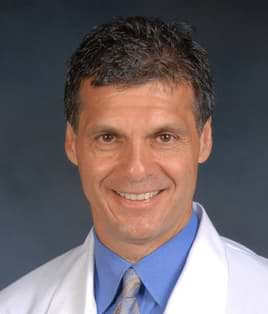
Dr. James Meschino, DC, MS, ROHP, is an educator, author, and researcher having lectured to thousands of healthcare professionals across North America. He holds a Master’s Degree in Science with specialties in human nutrition and biology and is recognized as an expert in the field of nutrition, anti-aging, fitness, and wellness as well as the author of numerous books.

Posted on

LMU 261 – Unlocking the Potential: How Soy May Slash Your Cancer Risk

LMU-261

Unlocking the Potential: How Soy May Slash Your Cancer Risk

Source: Frontiers of Nutrition Journal (2022)

Lifestyle Medicine Update (October 19, 2022)

Introduction:

In the realm of nutrition and health, every morsel we consume can significantly impact our well-being. And in the pursuit of a healthier, cancer-free life, a remarkable study published in March 2022, within the revered journal *Frontiers of Nutrition*, has brought the spotlight onto a common dietary component – soy. The study amalgamated data from eighty-one prospective investigations, all united by a single mission: to decipher the relationship between soy consumption and cancer risk. What they found is nothing short of groundbreaking. The research concluded that a higher intake of soy, particularly soy isoflavones, can be associated with a substantial 10% reduction in the risk of cancer incidence. Furthermore, the study unveiled that every 10 mg per day increment in soy isoflavone intake translates into a 4% reduction in cancer risk. These revelations are nothing short of revolutionary, holding the promise of cancer prevention within our everyday diet.

Cancer Risk Reduction with Soy

By the numbers, the magic number seems to be 25 mg of soy isoflavones daily. On average, this level of intake could potentially reduce your risk of cancer by a remarkable 10%. Such protection extends to specific cancers, with particular emphasis on lung and prostate cancers. Moreover, the merits of soy’s inclusion in your diet are further underscored by a multitude of studies affirming its role in reducing the risk of cardiovascular disease. These findings resonate so convincingly that the researchers ardently advocate incorporating soy as an integral component of a healthy dietary regimen to thwart the ominous spectre of cancer.

The Unveiling of Soy’s Cancer-Preventing Secrets 

The research paper further delves into the intricate details of the eighty-one studies reviewed in the meta-analysis. These investigations have illuminated the remarkable capacity of soy to diminish the incidence of several cancers. Specific types of cancer that exhibited reduced risk in the presence of higher soy intake included bladder cancer, colorectal cancer in postmenopausal women, stomach cancer, prostate cancer, and lung cancer. Notably, all studies tracking breast cancer survivors have consistently showcased the power of soy. Women who consumed at least 23 mg of soy isoflavones per day exhibited a notable reduction in breast cancer recurrence, relapse, and mortality, compared to those who eschewed soy products.

The Science Behind Soy’s Shield: How It Works

The paper elucidates how soy isoflavones contribute to the prevention of cancer. Their actions encompass bolstering antioxidant protection, possessing anti-inflammatory properties, modulating genes controlling cell division and programmed cell death (apoptosis), and inhibiting tumor cells from forming new blood vessels (anti-angiogenesis). However, it is essential to bear in mind that the effectiveness of soy isoflavones in guarding against cancer may be compromised by certain undesirable lifestyle habits. This phenomenon is evident in patients who are obese, physically inactive, smokers, and those consuming excessive amounts of alcohol. Yet, when nestled within a holistic healthy lifestyle program, daily intake of 25-75 mg of soy isoflavones stands as a robust strategy to significantly lower the risk of cardiovascular disease and overall cancer risk.

For Whom Soy is a No-Go

Of course, not all roads lead to soy. For individuals allergic to soy foods, this dietary route is off-limits. Nevertheless, for the vast majority, the revelation of soy’s protective properties against cancer is a precious piece of information.

Exploring the Soy Spectrum: Isoflavone Content in Soy Foods

In order to incorporate soy into your daily regimen, understanding the isoflavone content in different soy foods is crucial. Below is a reference list of various soy products and the amount of isoflavones they contain per 100 grams (3.5 oz or 1/5 lb):

  • Miso: 41.45 mg
  • Edamame: 17.92 mg
  • Natto: 82.29 mg
  • Soy Cheese: 6-26 mg
  • Roasted Soy Beans: 148.5 mg
  • Raw Soy Beans: 154.5 mg
  • Soy Milk: 0.7 – 11 mg
  • Tempeh: 3.82 mg
  • Tofu: 13 – 35 mg
  • Okara: 9.39 mg
  • Soy Lecithin: 15.7 mg
  • Textured Soy Flour: 172.55 mg
  • Defatted Soy Flour: 151 mg
  • Soy Protein Isolate: 91 mg
  • Soy Protein Concentrate: 11.49 mg
  • Soy Sauce: 1.18 mg

Conclusion

The path to better health and lower cancer risk is paved with dietary choices, and the potency of soy, specifically soy isoflavones, is now unequivocal. The research cited in this article beckons us to consider the potential cancer-fighting properties of soy, offering a 10% reduction in risk, with even greater reductions for specific cancers like lung and prostate cancer. A balanced diet that incorporates soy as part of a healthy lifestyle may be the key to cancer prevention. For those not allergic to soy, this information is invaluable.

With these insights into the protective power of soy, we can make informed choices to reduce our risk of cancer and embrace a healthier, cancer-free future.

References:

  1. Fan Y et al. Intake of Soy, Soy Isoflavones and Soy Protein and Risk of Cancer Incidence and Mortality. *Front. Nutr.*, 04 March 2022. [Read the full study here](https://www.frontiersin.org/articles/10.3389/fnut.2022.847421/full).
  2. Source of Soy Isoflavone Data: J Nutrients 2018. “Soy Foods and Soy Bioactive Substances.” [Read the source here](https://www.researchgate.net/publication/322292620_Soy_Soy_Foods_and_Their_Role_in_Vegetarian_Diets).
 

Eat Smart, Live Well, Look Great,

Dr. Meschino

Dr. James Meschino

Dr. James Meschino

ABOUT THE AUTHOR

Dr. James Meschino, DC, MS, ROHP, is an educator, author, and researcher having lectured to thousands of healthcare professionals across North America. He holds a Master’s Degree in Science with specialties in human nutrition and biology and is recognized as an expert in the field of nutrition, anti-aging, fitness, and wellness as well as the author of numerous books.

Posted on

LMU 257 – Metformin: The Unassuming Anti-Aging and Anti-Cancer Agent

LMU-257

Metformin: The Unassuming Anti-Aging and Anti-Cancer Agent

Source: J Cancer Management Research (2019)

Lifestyle Medicine Update (September 7, 2022)

Introduction:

The world of medicine and wellness frequently surprises us with remarkable insights. One such revelation is the role of natural products, like plants and herbs, in shaping modern pharmaceuticals. In fact, roughly half of today’s pharmaceutical drugs are rooted in these natural sources. Among these remarkable finds stands Metformin, a highly effective, affordable drug renowned for its efficacy in treating type 2 diabetes. It’s the product of an herb known as Galega officinalis, or goat’s rue, which has been used for managing diabetes since as early as 1918.

The Potent Elixir: Metformin

Metformin, a synthetic derivative of goat’s rue, is far more than just a blood sugar regulator. It is a multifaceted wonder drug that reduces high blood glucose levels while simultaneously addressing cardiovascular risk factors. This includes lowering HbA1c and insulin levels, making it an invaluable tool in managing diabetes. Animal studies reveal its potential in tackling metabolic syndrome, non-alcoholic fatty liver disease (NAFLD), and high triglyceride levels. Metformin not only stands out for its efficacy but also for its affordability and minimal side effects. Furthermore, it hints at increased patient survival.

Unveiling the Anti-Cancer Potential

Intriguingly, Metformin has started to show its potential as an anti-cancer agent. It obstructs key pathways responsible for cancer development, such as the mTOR pathway, effectively killing cancer stem cells and reducing the synthesis of cell receptors linked to higher cancer risks. Moreover, it hampers the formation of new blood vessels that supply oxygen and nutrients to tumor cells, a process known as anti-angiogenesis, essential for preventing cancer metastasis.

A 2019 review paper comprehensively reported that Metformin curbs the proliferation of cancer cells and malignancies across various cancer types, from stomach and pancreatic cancer to prostate, colon, and breast cancer. In fact, Metformin has been linked to a global 23% decrease in cancer risk since 2005. For instance, a study in Taiwan revealed that Metformin users experienced an 88% lower chance of developing any cancer type, while patients with type 2 diabetes using Metformin had a 30% reduced risk compared to other medications.

Moreover, Metformin complements chemotherapy and radiation therapy for a range of cancers, from breast and pancreatic to colorectal and prostate cancer, enhancing their effectiveness.

Harnessing the Power of Metformin for a Healthier Future

Considering that blood sugar levels tend to rise with age and the development of other type 2 diabetes and cardiovascular risk factors, and with cancer ranking as the second leading global cause of death, experts suggest a proactive approach. As early as age 45 to 50, individuals might contemplate a daily 500 mg dose of Metformin to stave off potential health concerns and promote longevity. While further research is needed to unveil Metformin’s anti-cancer potential in non-diabetic individuals, many physicians and health experts are already embracing and recommending it as a preventative and anti-aging measure.

An Array of Preventive Agents

In this quest for health and longevity, it’s essential to remember that various natural agents such as EGCG (epigallocatechin gallate) in green tea extract, curcumin, soy isoflavones, and indole-3 carbinol-containing supplements share Metformin’s anti-cancer properties and can also aid in reducing high blood glucose levels. These compounds are vital preventive agents that should be a part of the conversation surrounding prevention and longevity.

References:

  1. Pan S, et al. “New perspectives on how to discover drugs from herbal medicines: CAM’s outstanding contribution to modern therapeutics.” Evid Based Complement Alternat Med, 2013.
  2. Main Reference: Saraei P et al. “The beneficial effects of metformin on cancer prevention and therapy: A comprehensive review of recent advances.” Cancer Manag Res, 2019.
  3. Mohammed I et al. “A critical review of the evidence that metformin is a putative anti-aging drug that enhances healthspan and extends lifespan.” Front. Endocrinol, August 2021.
  4. Supporting Reference (Metformin and Cancer): Lei Y et al. “Metformin targets multiple signaling pathways in cancer.” BMC Cancer Communication, January 2017.
 
Eat Smart, Live Well, Look Great,
 

Dr. Meschino


Dr. James Meschino

Dr. James Meschino

ABOUT THE AUTHOR

Dr. James Meschino, DC, MS, ROHP, is an educator, author, and researcher having lectured to thousands of healthcare professionals across North America. He holds a Master’s Degree in Science with specialties in human nutrition and biology and is recognized as an expert in the field of nutrition, anti-aging, fitness, and wellness as well as the author of numerous books.

Posted on

LMU 242 – Boosting Immunity with Turkey Tail Mushroom: A Key to Breast Cancer Recovery

LMU-242

Boosting Immunity with Turkey Tail Mushroom: A Key to Breast Cancer Recovery

Source: Journal Oncology (2012)

Lifestyle Medicine Update (May 11, 2022)

Introduction:

Medicinal mushrooms, including Turkey Tail, have garnered attention for their immune-boosting properties. A study in Oncology (May 2012) unveils how Turkey Tail can enhance the immune system in breast cancer patients after conventional treatments. Its roots in Asian medicine and immunological activity suggest broader applications for immune support, particularly among the aging population. Explore the remarkable impact of medicinal mushrooms on well-being.

Unveiling the Power of Medicinal Mushrooms

Over the years, there has been a remarkable body of research highlighting the potential of certain medicinal mushrooms to fortify the body’s immune system. Among these remarkable fungi are reishi, shiitake, maitake, cordyceps, and the intriguing Tramates Versicolor, commonly known as Turkey Tail. In our journey to understand the profound impact of these mushrooms, we stumble upon an eye-opening study published in the journal Oncology in May 2012—a study that sheds light on how Turkey Tail supplementation can significantly enhance the immune system in breast cancer patients, even after enduring surgery, radiation treatment, and, in some cases, chemotherapy.

Revitalizing the Immune System: A Glimpse into the Study

The study we’re discussing here is not just a standalone revelation. It is an extension of prior preclinical animal investigations and early human clinical data. This body of research converges on a promising hypothesis: the constituents found in Turkey Tail mushrooms may hold the key to improving outcomes in both estrogen receptor-negative and estrogen receptor-positive breast cancers. How? By counteracting the immunologic depressive effects of conventional treatments and bolstering disease-free survival through enhanced immunological surveillance and overcoming tumor antigen tolerance.

A Historical Perspective: Turkey Tail in Traditional Asian Medicine

Turkey Tail has a rich history in traditional Asian medicine, where it has been employed for its potential health benefits for centuries. Studies have spotlighted two vital proteoglycan fractions present in Turkey Tail: polysaccharide-K (PSK) and Polysaccharide-peptide (PSP). Both of these fractions exhibit notable anticancer properties.

Japan’s Prescription: PSK in Cancer Treatment

In Japan, PSK is routinely prescribed to cancer patients, offering support during and after radiation and chemotherapy treatments. Similarly, many naturopathic physicians (NDs) and integrative oncologists (MDs) in the United States have embraced the practice of recommending Turkey Tail supplements to breast cancer patients. The driving force behind its remarkable antitumor effects and impact on survival rates is believed to be its profound immunologic activity. Turkey Tail supplementation has shown the capacity to enhance both innate and adaptive immune responses.

The Optimal Dosage: 6 or 9 Grams of Turkey Tail

The 2012 study featured in Oncology administered Turkey Tail at varying dosages—3, 6, or 9 grams per day, depending on the patient’s condition. Notably, the most favorable outcomes were observed in patients receiving 6 or 9 grams of Turkey Tail daily, equivalent to approximately 1-2 teaspoons of Turkey Tail ground powder.

A Message for the Aging Population

While the focus of this study is on breast cancer patients, the broader implications are clear. Everyone, especially those aged 50 and beyond, should contemplate incorporating medicinal mushrooms into their health regimen. This proactive step may help stave off the typical age-related decline in immune system function that often occurs later in life. Various supplements containing medicinal mushrooms like reishi, maitake, shiitake, cordyceps, and, of course, Turkey Tail are readily available. The studies we’ve highlighted today suggest that breast cancer survivors, in particular, may benefit from supplements that provide a substantial dose of Turkey Tail mushroom to fortify their immune defences.

As we navigate the intricate world of health and wellness, it’s evident that nature’s wonders, like Turkey Tail mushroom, hold the potential to transform our lives positively. In the pursuit of robust immunity and enhanced well-being, these remarkable fungi stand as allies, supporting us every step of the way.

Reference:

Torkelson C.J., et al. Phase I clinical trial of tramates versicolor in women with breast cancer. Oncology. 2012: 251632. [Read the full study here](https://www.ncbi.nlm.nih.gov/pmc/articles/PMC3369477/)


Eat Smart, Live Well, Look Great,

Dr. Meschino

Dr. James Meschino

Dr. James Meschino

ABOUT THE AUTHOR

Dr. James Meschino, DC, MS, ROHP, is an educator, author, and researcher having lectured to thousands of healthcare professionals across North America. He holds a Master’s Degree in Science with specialties in human nutrition and biology and is recognized as an expert in the field of nutrition, anti-aging, fitness, and wellness as well as the author of numerous books.

Posted on

LMU 231 – Exploring the Potential of Vitamin D: A Game-Changer in Cancer Prevention

LMU-231

Exploring the Potential of Vitamin D: A Game-Changer in Cancer Prevention

Source: Medscape Expert Panel Interview (January 10, 2022)

Lifestyle Medicine Update (Feb 14, 2022)

Introduction:

In a pivotal panel discussion held on January 10, 2022, renowned experts in the field of vitamin D, including Dr. Michael Holick and Dr. JoAnn Manson, provided a comprehensive update on the role of vitamin D in safeguarding human health. The discussion, moderated by Dr. Pam R. Taub, a distinguished cardiologist and professor of medicine at the University of California, San Diego, delved into various aspects of vitamin D’s impact on our well-being.

Vitamin D’s Crucial Role in Cancer Prevention

Dr. Michael Holick is celebrated for identifying the major circulating form of vitamin D in human blood, 25-hydroxyvitamin D3. His pioneering research over the past four decades has shed light on the myriad benefits of vitamin D, significantly raising its profile in healthcare. During the panel discussion, he, along with Dr. JoAnn Manson, another esteemed vitamin D researcher and a professor of medicine at Harvard Medical School, addressed the vital connection between vitamin D and cancer risk.

Insights from the VITAL Study

A focal point of their discussion was the **Vitamin D and OmegA-3-Trial (VITAL study)**, a large-scale, nationwide trial involving over 25,000 participants in the United States. Dr. Holick and Dr. Manson highlighted a significant finding: when individuals took 2,000 IU of vitamin D daily for at least two years, they experienced a remarkable 25% reduction in cancer-related deaths compared to those in the placebo group. This discovery is particularly noteworthy because several prior randomized trials had hinted at vitamin D’s potential in reducing cancer mortality. For example, a meta-analysis of five large-scale trials revealed a 13% decrease in cancer deaths among those taking vitamin D supplements compared to those on a placebo.

The Right Way to Take Vitamin D

Dr. Holick emphasized a crucial aspect of vitamin D supplementation. Current evidence indicates that taking vitamin D in large, infrequent doses—such as once a week or once a month—does not confer protection against cancer. On the other hand, individuals taking smaller daily doses, like 2,000 IU per day, exhibited a substantial reduction in cancer risk. While some doctors may recommend weekly or monthly doses as high as 50,000 IU for severely deficient individuals, this approach does not appear to reduce cancer risk based on available studies.

The Optimal Blood Level for Cancer Prevention

Both Dr. Holick and Dr. Manson emphasized the importance of achieving a specific blood level of vitamin D for effective cancer prevention. While the medical community often considers a blood level of 50 nmol/L (20 ng/mL) as adequate for bone health, achieving a level above 75 nmol (30 ng/mL) is critical for significant cancer prevention. To maximize protection, it is advisable for most individuals to maintain a blood vitamin D level between 85 – 140 nmol/L (32-56 ng/mL) by supplementing with 1,000 – 2,000 IU of vitamin D daily. Periodic monitoring of your vitamin D levels can help ensure you stay within the ideal range, with exceptions being made for specific medical conditions or infections that may require higher levels.

Conclusion

In summary, the insights shared by these experts underscore the remarkable potential of vitamin D in cancer prevention. By understanding the optimal supplementation strategies and target blood levels, individuals can harness the benefits of vitamin D to reduce their risk of cancer and enjoy improved overall health.

Reference:

Excerpts from Medscape Interview Published January 31, 2022: *Beyond Bone Health: Does Vitamin D Have a Role in Cancer, CVD, and COVID?* [Read more](https://www.medscape.com/viewarticle/959893?uac=342474MN&faf=1&sso=true&impID=3926885&src=wnl_tp10n_220106_mscpedit#vp_1)


Eat Smart, Live Well, Look Great,

Dr. Meschino

All-in-One Multi-Vitamin & Mineral

This supplement saves you having to buy 8 different vitamin and mineral supplement bottles. Read More…..

Dr. James Meschino

Dr. James Meschino

ABOUT THE AUTHOR

Dr. James Meschino, DC, MS, ROHP, is an educator, author, and researcher having lectured to thousands of healthcare professionals across North America. He holds a Master’s Degree in Science with specialties in human nutrition and biology and is recognized as an expert in the field of nutrition, anti-aging, fitness, and wellness as well as the author of numerous books.

Posted on

LMU 205 – Your Genes Are Not Your Destiny: How Lifestyle Choices Can Reduce the Risk of Colon Cancer

LMU-205

Your Genes Are Not Your Destiny: How Lifestyle Choices Can Reduce the Risk of Colon Cancer

Source: The American Journal of Clinical Nutrition (April 2021)

Lifestyle Medicine Update (June 7, 2021)

Introduction:

For decades, the scientific community held high hopes that the Human Genome Project would unlock the secrets behind age-related degenerative diseases like Alzheimer’s and various cancers. The prevailing belief was that specific gene mutations would be pinpointed as direct causes of these conditions. However, the reality turned out to be quite different. A study published in the April 2021 issue of the American Journal of Clinical Nutrition sheds light on this paradigm shift, illustrating that our genes alone are not the sole culprits behind diseases like colon cancer. Instead, it’s the intricate interplay between our genes and lifestyle choices that significantly influences our health outcomes.

A Complex Genetic Landscape

Contrary to initial expectations, the Human Genome Project revealed that age-related diseases, including Alzheimer’s and certain types of cancer, are not triggered by a single gene mutation but rather by a complex web of gene variants. These variants interact in ways that elevate the risk of developing these conditions. The intricacies of these gene interactions remain a subject of ongoing research, and scientists are still unravelling how they influence each other.

To further complicate matters, not everyone carrying these gene variants succumbs to diseases like Alzheimer’s or colon cancer. Instead, an individual’s diet, physical activity, and other lifestyle factors play a pivotal role in mitigating or exacerbating these risks. The study highlighted here, focusing on colon cancer, exemplifies this intriguing relationship between genes and lifestyle choices.

Reducing Colon Cancer Risk Through Lifestyle Choices

In this extensive study involving nearly 350,000 participants as part of the UK Biobank Study, researchers delved into the genetic underpinnings of colon cancer. They assessed participants based on their genetic risk scores for the disease, determined by the presence of multiple gene variants associated with an elevated risk of colon cancer.

What the researchers discovered was remarkable: individuals with high genetic risk scores for colon cancer, who also boasted high Healthy Lifestyle Scores, exhibited a remarkable 40% reduction in their risk of developing the disease compared to those with identical genetic risk factors but less healthy lifestyle scores. In essence, it was a compelling revelation that genes do not act in isolation to predetermine one’s fate with colon cancer or many other degenerative illnesses.

Genes and Lifestyle: A Dynamic Partnership

Instead of genes acting as deterministic forces, it’s the intricate dance between our genetic makeup and lifestyle choices that either triggers or prevents the onset of degenerative conditions. In the context of the UK Biobank Study, participants with high genetic risk scores for colon cancer benefited immensely from lifestyle practices that included increased physical activity, healthier body shape measurements with lower body fat, avoidance of processed and red meat, higher consumption of vegetables and fruits, limited or no alcohol intake, and refraining from smoking.

To put it simply, individuals with less healthy lifestyle practices, even when carrying high genetic risk factors, faced a 40% higher risk of developing colon cancer.

Your Wellness Game Plan Matters

The key takeaway from this research is clear: your genes are not your destiny. Your wellness game plan, comprising dietary choices and lifestyle patterns, significantly influences your overall health and longevity. By making mindful decisions about what you eat and how you live, you can take charge of your well-being and enhance your healthy life expectancy—the number of years during which you enjoy a highly functioning body and mind.

In essence, the intricate tapestry of your health is woven from both genetic threads and the choices you make in life. So, remember that your actions today can shape your health tomorrow, proving that your genes are not the sole dictators of your destiny.

Reference:

Jungyoon Choi, Guochong Jia, Wanqing Wen, Xiao-Ou Shu, Wei Zheng. [Healthy lifestyles, genetic modifiers, and colorectal cancer risk: a prospective cohort study in the UK Biobank. The American Journal of Clinical Nutrition, 2021; 113 (4)](https://academic.oup.com/ajcn/article-abstract/113/4/810/6155851?redirectedFrom=fulltext)

Eat Smart, Live Well, Look Great,

Dr. Meschino

Dr. James Meschino

Dr. James Meschino

ABOUT THE AUTHOR

Dr. James Meschino, DC, MS, ROHP, is an educator, author, and researcher having lectured to thousands of healthcare professionals across North America. He holds a Master’s Degree in Science with specialties in human nutrition and biology and is recognized as an expert in the field of nutrition, anti-aging, fitness, and wellness as well as the author of numerous books.

Posted on

LMU – 189 The Mediterranean Diet’s Remarkable Impact on Prostate Cancer

LMU-189

LMU – 189 The Mediterranean Diet's Remarkable Impact on Prostate Cancer

Source: Journal “Cancer” (2021)

Lifestyle Medicine Update (January 30, 2021)

Introduction:

In January 2021, a groundbreaking study published in the journal “Cancer” illuminated the profound influence of the Mediterranean diet on the progression of localized, low-grade prostate cancer in men. The findings provided compelling evidence that adopting a Mediterranean-style diet significantly reduces the risk of disease progression, ultimately mitigating the need for invasive treatments such as prostate removal surgery or radiation therapy.

The study tracked 410 men diagnosed with low-grade localized prostate cancer, specifically with Gleason scores of 1 and 2. These individuals were placed on a watchful waiting protocol, allowing specialists to monitor the pace at which their cancer might advance. Throughout the study, participants underwent regular testing of their prostate-specific antigen (PSA) and testosterone levels.

The trial’s demographics revealed a diverse group, with 82.9% of participants being Caucasian, 8.1% Black, and 9% belonging to other or unknown ethnicities. The median age of the subjects was 64, with 15% having diabetes, and 44% utilizing statin drugs for managing high cholesterol. Each participant’s customary dietary habits were assessed, and they were assigned a Mediterranean diet score based on their typical daily and weekly eating patterns.

The results of the study were nothing short of remarkable. Men who closely adhered to the Mediterranean diet exhibited a substantially lower risk of prostate cancer progression. In fact, for every one-point increase in their Mediterranean diet score, researchers observed a remarkable reduction of over 10% in the risk of disease progression over the course of the three-year study.

The Mediterranean Diet: A Prescription for Prostate Health

Digging deeper into the study’s findings, it becomes evident that men who embraced a diet rich in fruits, vegetables, legumes, cereals, and fish experienced a reduced likelihood of their prostate cancer advancing to a critical stage necessitating aggressive treatment options like radical prostatectomy or radiation therapy. These treatments can significantly impact one’s quality of life, making the Mediterranean diet an appealing alternative.

Even among participants with diabetes using metformin and those with high cholesterol relying on statin drugs, adherence to these dietary principles translated into a reduced risk of prostate cancer progression. The study’s conclusion underscores the significance of the Mediterranean diet: “A Mediterranean diet is non-invasive, promotes overall health, and, as demonstrated by this study, holds the potential to influence cancer progression positively.”

The Nutrient-Rich Nexus

These findings echo those of Dr. Dean Ornish MD, who previously demonstrated that a vegan diet designed to combat heart disease also yielded improved outcomes for patients with localized prostate cancer of low to moderate grade. Dr. Ornish’s patients supplemented their diets with vitamins E and C, selenium, and other key nutrients. What these findings emphasize is the presence of an array of nutrients in fruits, vegetables, and legumes that exhibit the capacity to inhibit the development and progression of prostate cancer. Several studies have even shown that natural agents from these foods, such as soy isoflavones, lycopene, ground flaxseed, green tea catechins, and vitamin D, can effectively restrain prostate cancer in clinical trials when employed during the watchful waiting stage or as part of a holistic medical management approach.

Prevention Through Diet: The Promising Route

The Adventist Health Study-2 offers additional insights into the preventative potential of dietary choices. It revealed that vegan men experienced a 33% reduced risk of developing prostate cancer, underscoring the role of a plant-based diet in mitigating the risk. Other research studies published in the International Journal of Cancer suggest that prudent dietary practices can reduce the risk of up to 75% of prostate cancer cases. The mounting evidence suggests that adopting a diet rich in plant-based foods containing various phytonutrients with anti-prostate cancer properties should be a top consideration for all men. Prostate cancer stands as the second leading cause of cancer-related death in this region, with significant potential for prevention through dietary and lifestyle improvements.

Conclusion:

In conclusion, the study published in “Cancer” in January 2021 underscores the formidable impact of the Mediterranean diet on mitigating the progression of localized, low-grade prostate cancer. It offers hope for those diagnosed with the condition, providing a non-invasive, health-promoting alternative to more aggressive treatments. Additionally, the findings reinforce the value of a diet rich in fruits, vegetables, legumes, and key nutrients as an essential tool in the fight against prostate cancer. As we strive to reduce the prevalence of this disease, it is increasingly clear that prudent dietary and lifestyle choices play a pivotal role in safeguarding prostate health.

References:

January 2021 Study:

  1. Justin R. Gregg et al. Adherence to the Mediterranean diet and grade group progression in localized prostate cancer: An active surveillance cohort. Cancer, January 2021                                                                                                                                                                                          [Read more](https://acsjournals.onlinelibrary.wiley.com/doi/10.1002/cncr.33182)
  2. Supplements Used in Complementary Management of Prostate Cancer Studies: National Cancer Institute: Prostate Cancer, Nutrition, and Dietary Supplements (PDQ) – Patient Version                                                                                                                                                                                  [Learn more](https://www.cancer.gov/about-cancer/treatment/cam/patient/prostate-supplements-pdq)
  3.  Dr. Dean Ornish MD Study of Localized Prostate Cancer with Low-to-Moderate Gleason Score:                                                                                 [Read the study](https://www.ncbi.nlm.nih.gov/pmc/articles/PMC1518978/pdf/envhper00368-0167.pdf)
  4.  Adventist Health Study-2 (Vegans and Prostate Cancer):                                                                                                                                                           [Learn more](https://www.adventistreview.org/church-news/story3607-vegan-diet-cuts-risk-of-prostate-cancer-adventist-study-finds)
  5. Prevention of Prostate Cancer by 75%: Willett W. Diet, nutrition, and avoidable cancer. Environmental Health Perspectives. 1995,103(Suppl 8):165-170                                                                                                                                                                                                                         [Read more](https://www.ncbi.nlm.nih.gov/pmc/articles/PMC1518978/pdf/envhper00368-0167.pdf)
Eat Smart, Live Well, Look Great,
 

Dr. Meschino

Dr. James Meschino

Dr. James Meschino

ABOUT THE AUTHOR

Dr. James Meschino, DC, MS, ROHP, is an educator, author, and researcher having lectured to thousands of healthcare professionals across North America. He holds a Master’s Degree in Science with specialties in human nutrition and biology and is recognized as an expert in the field of nutrition, anti-aging, fitness, and wellness as well as the author of numerous books.

Posted on

LMU – 182 Discover the Power of Selenium: A Mineral with Immune-Supporting Superpowers

LMU-182

LMU – 182 Discover the Power of Selenium: A Mineral with Immune-Supporting Superpowers

Source: J Frontiers in Nutrition 2020 and Others (See Below)

Lifestyle Medicine Update (November 21, 2020)

Introduction:

In the ever-evolving landscape of health and wellness, the spotlight often falls on various vitamins and minerals, each hailed for its unique contributions to our well-being. Among these, selenium—a mineral with remarkable immune-boosting potential—takes center stage. The September 2020 issue of the esteemed journal Frontiers in Nutrition unveiled a comprehensive review of studies exploring selenium’s pivotal role in immune function. This mineral, often overlooked, emerges as a potent shield against viral infections, pathogens, and even cancer. Join us as we delve into the intricate world of selenium and its profound impact on our health.

Selenium’s Role in Immunity: A Deep Dive into Research

The research published in Frontiers in Nutrition meticulously analyzed the body of evidence surrounding selenium’s influence on immune function. It drew attention to the alarming consequences of selenium deficiency in animals and low selenium status in humans. These conditions not only heighten vulnerability to viruses and other pathogens but may also raise the spectre of cancer.

Selenium and Viral Resilience: A Silver Lining

One of the most compelling findings was the impact of selenium supplementation on patients living with the HIV virus. The study revealed that providing selenium supplements could slow the progression of the disease and bolster T-Helper Cell numbers—a critical component in maintaining the health and functionality of these patients.

Beyond HIV, other studies showcased selenium’s potential in mitigating the effects of various viral and serious infections. It’s a testament to selenium’s longstanding recognition as a nutrient that supports immune function. Selenium plays a pivotal role in optimizing antioxidant protection within cells, particularly immune cells. However, its influence extends beyond that, encompassing a multifaceted array of effects that aid immune function and prevent viruses from mutating and becoming more virulent.

A Defining Moment: Selenium’s Impact on COVID-19

In an era dominated by the COVID-19 pandemic, the connection between selenium and viral resilience takes on newfound significance. The research alludes to a study conducted in China, where patients with superior selenium status demonstrated significantly better recovery rates from COVID-19 than those with suboptimal selenium levels. This suggests that maintaining a higher-than-normal selenium status could offer protective benefits against the detrimental effects of the viral infection.

Germany also yielded compelling data, with serum selenium levels strongly correlated with COVID-19 outcomes in hospitalized patients. Astonishingly, a significant percentage of patients exhibited very low serum selenium status, and those with the lowest levels faced a considerably higher risk of mortality. In light of these findings, the authors of the review paper advocate for encouraging adults to incorporate selenium supplements into their daily regimen to enhance immunity and reduce the virulence of COVID-19-related viruses until a vaccine becomes widely available.

Selenium and Cancer: A Complex Relationship

Turning our attention to the realm of cancer, selenium emerges as a multifaceted ally in the fight against this formidable disease. While some clinical trials have indicated limited benefit in using selenium to prevent cancer, an abundance of evidence suggests that selenium and its compounds can serve as potent anti-cancer agents under specific circumstances.

Interestingly, selenium supplementation exhibits promise in amplifying the anti-cancer effects of several chemotherapy drugs commonly employed in cancer treatment. Numerous observational studies, known as epidemiological studies, have linked higher serum selenium levels and toenail selenium concentrations (a more reliable long-term indicator of selenium status) to a reduced risk of various types of cancer.

Balancing the Selenium Equation

In the grand tapestry of dietary intake, selenium is not an exotic mineral. In fact, most North Americans are believed to obtain the recommended daily amount of selenium from their diets, which is set at 55 micrograms (mcg) per day. However, the Frontiers in Nutrition journal article paints a different picture. It suggests that as individuals age, higher selenium intake may be necessary to optimize immune function and reduce viral infections. With age comes a greater need for immune support, and selenium may hold the key to bolstering defences.

Many individuals in modern society augment their selenium intake through high-potency multivitamin and mineral supplements, which typically provide an additional 50-200 mcg of selenium per day.

Conclusion: Selenium—A Guardian of Health

In a world where viral threats and cancer loom large, selenium emerges as a formidable ally in our pursuit of health and longevity. Its immune-boosting capabilities, coupled with its potential to mitigate the impact of viral infections, position it as a mineral of extraordinary significance. As the global community grapples with the ongoing challenges posed by COVID-19, the wisdom of incorporating selenium supplementation into our daily routine offers a ray of hope.

Selenium, once relegated to the background, now rightfully takes its place on the stage of health and wellness. From HIV to COVID-19 and the battle against cancer, this unassuming mineral is rewriting the narrative of our immune defences. As we navigate the complexities of modern life, the power of choice is evident: embrace the potential of selenium and unlock a future where immunity reigns supreme.

References:

  1. Hiffler L et al. Selenium and RNA virus interactions: Potential implications for SARS-CoV-2 infection (COVID-19). Frontiers of Nutrition, September 2020. [Read more](https://www.frontiersin.org/articles/10.3389/fnut.2020.00164/full)
  2. Tan HW et al. Selenium species: Current status and potentials in cancer prevention and therapy. International Journal of Molecular Sciences, 2019; 20(1):75. [Read more](https://www.ncbi.nlm.nih.gov/pmc/articles/PMC6337524/)
  3. National Institutes of Health: Office of Dietary Supplements. Selenium. [Learn more](https://ods.od.nih.gov/factsheets/Selenium-HealthProfes%20sional/)
 

Eat Smart, Live Well, Look Great,

Dr. Meschino

Dr. James Meschino

Dr. James Meschino

ABOUT THE AUTHOR

Dr. James Meschino, DC, MS, ROHP, is an educator, author, and researcher having lectured to thousands of healthcare professionals across North America. He holds a Master’s Degree in Science with specialties in human nutrition and biology and is recognized as an expert in the field of nutrition, anti-aging, fitness, and wellness as well as the author of numerous books.

Posted on

LMU 170 – Vitamin D: Your Secret Weapon Against Cancer

LMU-170

LMU 170 – Vitamin D: Your Secret Weapon Against Cancer

Source: Journal of the American Medical Association (2017)

Lifestyle Medicine Update (August 20, 2020)

Introduction:

In a world where health is paramount, a 2017 study in the Journal of the American Medical Association unveiled a hidden guardian: vitamin D. This research, focused on postmenopausal women, defied conventional wisdom, revealing that maintaining vitamin D levels above 82.5 nmol/L (33 ng/ml) reduces cancer risk by 30%. As we explore this revelation, we embark on a journey to understand the potent role of vitamin D in shielding us from one of the most formidable health threats: cancer.
 

The Vitamin D Revelation

In 2017, a groundbreaking study published in the Journal of the American Medical Association resurfaced the crucial connection between vitamin D and cancer risk. This research shed light on a vital aspect of vitamin D: its role in protecting us from one of the most formidable adversaries of our health – cancer. The study’s findings were nothing short of astonishing, suggesting that our blood levels of this essential vitamin play a pivotal role in safeguarding us against this relentless disease.

The Magic Number: 82.5 nmol/L

While most government recommendations stipulate that a vitamin D blood level ranging from 50-80 nmol/L (20-32 ng/ml) is sufficient for maintaining a healthy vitamin D status, this study introduced a game-changing perspective. According to the researchers, the threshold for optimal protection against cancer lies at a vitamin D blood level of at least 82.5 nmol/L (33 ng/ml). They firmly contested the prevailing recommendations and made a compelling case for a more proactive approach to vitamin D intake.

Unveiling the Study

This comprehensive four-year study enrolled over 2,000 postmenopausal women aged fifty-five and older hailing from thirty-one counties in Nebraska. These women were randomly assigned to one of two groups: a daily regimen of 2000 international units (IU) of vitamin D3 along with 1500 mg of calcium or identical placebos. The study’s primary focus was to evaluate the impact of vitamin D on cancer risk, particularly in postmenopausal women.

The results were astonishing: women who maintained blood vitamin D levels at or above 82.5 nmol/L (33 ng/ml) enjoyed a 30% lower risk of cancer compared to their counterparts whose vitamin D levels fell below this crucial threshold. The implications were clear; achieving and maintaining optimal vitamin D levels in the blood could be an instrumental factor in reducing one’s risk of cancer.

The Science Behind the Shield

So, what is the science behind vitamin D’s protective mantle against cancer? As one of the researchers, Joan Lappe, explains, vitamin D is a vital player in the proper functioning of most cells in the human body. Without adequate vitamin D, cells are more susceptible to transformations that lead to malignancy. Vitamin D operates as a sentinel, guarding cells against unwarranted changes that could set the stage for cancer development.

Moreover, it’s essential to consider the context in which we obtain our vitamin D. While our skin can produce vitamin D when exposed to sunlight, the widespread use of sunscreen products effectively hinders this natural process. In addition, the modern lifestyle, which often keeps individuals indoors, further contributes to suboptimal vitamin D levels.

Taking Action

Given the profound implications of this study, the takeaway is clear: take charge of your health by having your blood vitamin D levels assessed by your healthcare provider. If your levels fall below the critical threshold of 82.5 nmol/L (33 ng/ml), it’s time to consider a supplementation program. This proactive step could potentially reduce your overall cancer risk by an impressive 30%, aligning with the findings of this and other impactful studies.

In the battle against cancer, knowledge is power. Armed with the understanding of vitamin D’s role in this fight, you can take concrete steps to safeguard your health. Consider this revelation as a potent reminder that sometimes, a humble vitamin can be your most robust ally against formidable foes.

References:

  1. Main Reference: Joan Lappe, Patrice Watson, Dianne Travers-Gustafson, Robert Recker, Cedric Garland, Edward Gorham, Keith Baggerly, Sharon L. McDonnell. Effect of Vitamin D and Calcium Supplementation on Cancer Incidence in Older Women. JAMA, 2017 [Read the Study](https://jamanetwork.com/journals/jama/fullarticle/2613159)
  2. JoAnn E. Manson, Shari S. Bassuk, Julie E. Buring. Vitamin D, Calcium, and Cancer. JAMA, 2017; 317 (12): 1217 [Read the Study](https://jamanetwork.com/journals/jama/article-abstract/2613138)
  3. [ScienceDaily: Higher vitamin D levels associated with lower cancer risk, study suggests](https://www.sciencedaily.com/releases/2017/03/170328120835.htm)
 
Eat Smart, Live Well, Look Great,
 

Dr. Meschino

Dr. James Meschino

Dr. James Meschino

ABOUT THE AUTHOR

Dr. James Meschino, DC, MS, ROHP, is an educator, author, and researcher having lectured to thousands of healthcare professionals across North America. He holds a Master’s Degree in Science with specialties in human nutrition and biology and is recognized as an expert in the field of nutrition, anti-aging, fitness, and wellness as well as the author of numerous books.

Posted on

LMU 154 – The Milky Way to Breast Health: Rethinking Dairy Consumption

LMU-154

LMU 154 – The Milky Way to Breast Health: Rethinking Dairy Consumption

Source: International Journal of Epidemiology (2020)

Lifestyle Medicine Update (Mar 1, 2020)

Introduction:

The dietary landscape is ever-evolving, and it’s often challenging to separate fact from fiction, especially when it comes to our health. For years, dairy milk has held a prime spot in the Western diet, touted for its calcium content and nutritional benefits. However, a groundbreaking study from Loma Linda University, published in the International Journal of Epidemiology in February 2020, has shaken the foundations of this age-old belief. This research has brought to light a startling revelation: dairy milk consumption may be linked to an increased risk of breast cancer in women, with the risk escalating by as much as 80%, depending on the quantity consumed.

The Study: Unveiling the Dairy-Breast Cancer Connection

This extensive study delved into the dietary habits of nearly 53,000 North American women, all initially free of cancer, over an eight-year period. The research considered an array of factors, including demographics, family history of breast cancer, physical activity, alcohol consumption, medication use, breast cancer screening, and reproductive and gynecological history. By the end of the study, a total of 1,057 new breast cancer cases had emerged, casting a spotlight on the potential role of dairy milk in this concerning statistic.

Dairy Milk and the Breast Cancer Risk

The study’s findings painted a concerning picture. Those who regularly consumed dairy milk faced a significantly higher risk of breast cancer. Even as little as a quarter to a third of a cup of dairy milk per day was associated with a 30% increased risk of breast cancer. For those who indulged in up to one cup daily, the risk surged to 50%, and for those drinking two to three cups daily, the risk soared to a staggering 70% to 80%. Intriguingly, the type of milk—be it high-fat, low-fat, or non-fat—did not alter this disconcerting pattern. However, yogurt and cheese consumption appeared to have no discernible impact on breast cancer risk.

Embracing Dairy Alternatives: A Safer Choice?

In light of these findings, it’s worth considering alternatives to dairy milk. The study posits that dairy-alternate milk, such as soymilk, almond milk, or oat milk, could offer a safer choice for those concerned about breast cancer risk. Intriguingly, this aligns with the growing body of evidence that suggests vegans, who eschew dairy products entirely, may experience lower rates of breast cancer than non-vegetarians.

The IGF-1 Connection: Unravelling the Mystery

But what exactly is it about dairy milk that might contribute to breast cancer? One compelling theory centers around insulin-like growth factor-1 (IGF-1), a hormone that plays a crucial role in promoting certain cancers. Animals often receive growth hormone treatment to boost milk production, resulting in elevated IGF-1 levels in their blood. When humans consume milk or meat from these animals, they also ingest this hormone, potentially acting as a catalyst for cellular division and genetic mutations, ultimately increasing the risk of breast cancer.

A Changing Landscape: The Future of Dairy Farming and Consumption

These findings pose profound implications for dairy farming practices and dietary recommendations. As research mounts, the use of growth hormones in dairy farming and the public’s perception of milk consumption may undergo transformation. In this changing landscape, low-fat Greek yogurt emerges as a compelling dairy option, and dairy-alternate milks like soymilk, almond milk, or oat milk could become preferred choices, especially for those concerned about breast cancer risk.

Conclusion: Navigating the Dairy Dilemma

The journey into the world of dairy and its potential link to breast cancer is both enlightening and cautionary. As we continue to unravel the complexities of our diets and their impact on our health, it’s essential to approach such findings with an open mind. While more research is needed to solidify these connections, the evidence thus far invites us to explore dairy alternatives and consider a diversified approach to our nutritional choices.

References:

  1. Main Reference: Synnove Knutsen, Rawiwan Sirirat, Andrew Mashchak, Michael Orlich, Karen Jaceldo-Siegl, Gary E Fraser. Dairy, soy, and risk of breast cancer: those confounded milk. International Journal of Epidemiology, 2020. [Read the full study here](https://academic.oup.com/ije/advance-article-abstract/doi/10.1093/ije/dyaa007/5743492?redirectedFrom=fulltext).
  2.  [ScienceDaily – Dairy milk consumption may increase breast cancer risk](https://www.sciencedaily.com/releases/2020/02/200225101323.htm).
  3.  [Global News – Canadian dairy farmers will no longer use growth hormones under new USMCA deal](https://globalnews.ca/news/4533226/canadians-growth-hormones-dairy-usmca/)
 
Eat Smart. Live Well, Look Great
 

Dr. Meschino

Dr. James Meschino

Dr. James Meschino

ABOUT THE AUTHOR

Dr. James Meschino, DC, MS, ROHP, is an educator, author, and researcher having lectured to thousands of healthcare professionals across North America. He holds a Master’s Degree in Science with specialties in human nutrition and biology and is recognized as an expert in the field of nutrition, anti-aging, fitness, and wellness as well as the author of numerous books.