Posted on

LMU 286 – Probiotic Supplement Decrease Inflammation and Free Radical Damage Normally Caused by Chronic Sleep Deprivation

LMU-286

Safeguarding Brain Health: The Role of Probiotics Against Sleep Deprivation

Source: Journal Nutrients (2023)

Lifestyle Medicine Update (May 2, 2023)

Understanding the Study

A 2023 study published in Nutrients by researchers at the University of Camerino in Italy illuminates the potential benefits of a multi-strain probiotic supplement in counteracting the detrimental effects of sleep deprivation on brain health. Chronic sleep deprivation can exacerbate brain free radical damage and inflammation, but probiotic supplementation may offer a solution.

Unraveling the Link Between Sleep Deprivation and Inflammation

Chronic sleep restriction, defined as sleeping less than seven hours per night, can incite low-grade inflammation in the body and brain. Insufficient sleep also fosters the accumulation of free radicals, which pose extensive damage to brain cells and are linked to neurodegenerative diseases like Alzheimer’s and Parkinson’s.

The Role of Probiotic Supplements

Probiotic supplementation exhibits promise in reducing inflammation through various pathways, including rebalancing gut flora, enhancing gut barrier integrity, and modulating immune function. Additionally, probiotics bolster the function of brain immune cells, microglia, thereby curtailing brain inflammation.

Unveiling the Mechanism of Sleep Deprivation-Induced Inflammation

Sleep deprivation can disrupt gut bacteria composition and compromise gut barrier integrity, facilitating the entry of bacteria and their byproducts into the bloodstream. This process triggers inflammatory responses in the body and brain.

Study Findings

In the 2023 study, mice subjected to chronic sleep restriction were administered a multi-strain probiotic supplement. Results indicated that the probiotic supplement bolstered brain antioxidant function, curbing free radical damage and inflammation in both the brain and bloodstream.

Practical Takeaways

  1. Prioritize Adequate Sleep: Chronic sleep deprivation has deleterious effects on gut and brain health, escalating inflammation and free radical damage, which can lead to various health issues including neurodegenerative diseases and compromised immunity.
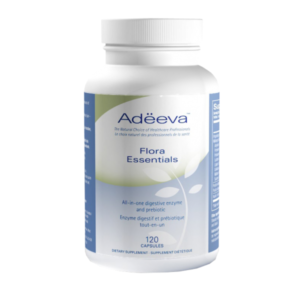
  2. Consider Probiotic Supplementation: Incorporating a multi-strain probiotic supplement into daily routines may support gut health, diminish inflammation, and fortify brain antioxidant protection. Combining probiotics with a digestive enzyme-prebiotic supplement may offer additional benefits by nurturing friendly gut bacteria.

Conclusion

Recognizing the impact of sleep deprivation on gut and brain health underscores the importance of proactive measures to bolster overall well-being. Embracing probiotic supplementation as a simple yet effective strategy may help mitigate the detrimental effects of sleep deprivation on brain health.

References:

  1. Zheng Y et al. “Probiotics supplementation attenuates inflammation and oxidative stress induced by chronic sleep restriction.” Nutrients. 2023; 15(6):1518. [Link](https://www.mdpi.com/2072-6643/15/6/1518)
  2. “Probiotic supplementation reduces inflammation and oxidative stress caused by chronic sleep loss.” Neuroscience News.com. April 15, 2023. [Link](https://neurosciencenews.com/probiotics-inflammation-sleep-23021/)
 
Eat Smart, Live Well, Look Great,
 

Dr. Meschino

Recommended Supplements

Dr. James Meschino

Dr. James Meschino

ABOUT THE AUTHOR

Dr. James Meschino, DC, MS, ROHP, is an educator, author, and researcher having lectured to thousands of healthcare professionals across North America. He holds a Master’s Degree in Science with specialties in human nutrition and biology and is recognized as an expert in the field of nutrition, anti-aging, fitness, and wellness as well as the author of numerous books.

Posted on

LMU 209 – Discovering the Secrets of Sound Sleep with Melatonin: A Natural Approach

Discovering the Secrets of Sound Sleep with Melatonin: A Natural Approach

Source: Frontiers of Endocrinology Journal (2019)

Lifestyle Medicine Update (August 4, 2021)


Introduction:

Sleep is a vital component of a healthy life, and when it’s elusive, it can have cascading effects on our well-being. If you’re among the many who grapple with insomnia or disrupted sleep patterns, a 2019 research paper published in the journal Frontiers of Endocrinology and other groundbreaking studies offer intriguing insights into a natural remedy for sleep issues: melatonin. In this article, we’ll explore the role of melatonin in brain function, its potential to prevent brain degeneration, and why it’s becoming an increasingly preferred choice for managing sleep problems, especially for those over 55.

The Alarming Risks of Prescription Sleeping Medications

In today’s fast-paced world, sleep disorders are increasingly common, leading to a surge in the use of prescription sleeping medications. According to research, about 4% of all adults and 10% of those over 65 years of age in this country regularly take prescription sleeping medications to combat insomnia and sleep problems.

However, recent studies have raised red flags about the use of these medications. One alarming finding suggests that sleeping pills are associated with an increased risk of unsteadiness, leading to falls and fractures, especially in the elderly. In fact, research from Dalhousie University suggested that one-third of hip fractures in people aged 85 and older may be attributed to the use of these drugs. Moreover, the use of sleep medications is linked to a higher risk of pneumonia, memory problems, dependence, and withdrawal issues.

In 2012 and 2018, reports in medical journals revealed that individuals using prescription sleep medications faced significantly increased risks of cancer, premature death, serious infections, mood disorders, accidental injuries, suicides, and homicides compared to those who did not use these drugs.

Melatonin: A Natural Alternative

In contrast to the risks associated with prescription sleeping medications, melatonin is a natural agent that offers a safer and non-toxic solution for sleep problems. Melatonin has not only been shown to help individuals fall asleep more quickly but also to provide a deep, restorative sleep.

Beyond its role as a sleep aid, melatonin holds promise in preventing brain degeneration. Studies suggest that melatonin may help block the development of Alzheimer’s disease, Parkinson’s disease, and possibly Lou Gehrig’s disease. It also modulates immune function, helping to maintain or restore immunity as we age.

Recent research even indicates that melatonin can reverse mild cognitive impairment, which is often the first step toward dementia and Alzheimer’s disease. Additionally, melatonin acts as a potent brain antioxidant, protecting against free radical damage.

Melatonin’s Wider Health Benefits

Melatonin’s benefits extend beyond sleep and brain health. Studies suggest that it may help prevent breast and prostate cancer, along with other cancer types. In breast cancer patients undergoing medical treatment, melatonin has been used as an adjunct therapy. Furthermore, melatonin shows promise in reducing the progression of macular degeneration, a leading cause of blindness in individuals over 55, and in aiding those suffering from tinnitus, a condition characterized by ringing in the ears.

A Natural Blend for Restful Sleep and Brain Health

For those seeking an alternative to prescription sleep medications, a combination of melatonin, GABA, 5-HTP, and Bacopa monnieri may offer a wiser, safer, and more natural choice. GABA and 5-HTP work together to improve sleep quality and counteract caffeine-induced insomnia. Bacopa monnieri, a natural plant-based agent, helps protect the brain against free radical damage and other processes associated with dementia and Alzheimer’s disease. As we age, these nutrients become increasingly important for brain health and the prevention of brain degeneration.

In conclusion, melatonin is a natural ally for sound sleep and overall health. Its potential to improve sleep quality and protect against various neurodegenerative diseases makes it an attractive option for those seeking to address sleep issues while promoting long-term well-being.

References:

  1. [2019 Update Melatonin and Neurodegeneration (Frontiers of Endocrinology)](https://www.frontiersin.org/articles/10.3389/fendo.2019.00480/full)
  2. [Dalhousie University – Dal News](https://www.dal.ca/news/2021/01/25/researchers-takes-aim-at-highest-rates-of-sleeping-pill-reliance.html)
  3. [BMJ Open – Risk of cancer in users of benzodiazepines and related drugs](https://bmjopen.bmj.com/content/2/1/e000850.full?sid=f0956753-511d-4e70-9230-c1e8aa5df0d3)
  4. [Prescription Medications for Insomnia: A Review of Longitudinal Ambulatory Care Data – American Journal of Public Health](https://www.ncbi.nlm.nih.gov/pmc/articles/PMC4890308/)
  5. [Melatonin for the prevention and treatment of cancer – Oncotarget Journal](https://www.ncbi.nlm.nih.gov/pmc/articles/PMC5503661/)
  6. [Dietary Supplements and Nutraceuticals Under Investigation for Covid-19 Prevention and Treatment – National Institutes of Health Preprint Pilot](https://www.ncbi.nlm.nih.gov/pmc/articles/PMC7872359/)
  7. [Melatonin’s effects on immunity: A systematic review and meta-analysis](https://www.ncbi.nlm.nih.gov/pmc/articles/PMC4946322/)
  8. [Overview of melatonin and breast cancer](https://www.naturalmedicinejournal.com/journal/2010-02/overview-melatonin-and-breast-cancer)
  9. [Melatonin for the prevention and treatment of cancer](https://www.ncbi.nlm.nih.gov/pmc/articles/PMC5503661/)
  10. [How to Optimize Sleep: The Sleep Foundation](https://www.sleepfoundation.org/sleep-hygiene/healthy-sleep-tips)
  11. [Melatonin for the prevention and treatment of cancer](https://www.ncbi.nlm.nih.gov/pmc/articles/PMC5503661/)
  12. [Melatonin and Age-Related Macular Degeneration](https://www.hindawi.com/journals/ecam/2012/606424/)

Eat Smart, Live Well, Look Great,

Dr. Meschino

Dr. James Meschino

ABOUT THE AUTHOR

Dr. James Meschino, DC, MS, ROHP, is an educator, author, and researcher having lectured to thousands of healthcare professionals across North America. He holds a Master’s Degree in Science with specialties in human nutrition and biology and is recognized as an expert in the field of nutrition, anti-aging, fitness, and wellness as well as the author of numerous books.


Posted on

LMU 158 – Sleep: Your Silent Immune Superpower

LMU-158

LMU 158 – Sleep: Your Silent Immune Superpower

Source: European Journal of Physiology (2012)

Lifestyle Medicine Update (April 11, 2020)

Introduction:

In the realm of immune health, we often focus on diet, exercise, and supplements, but there’s a silent hero lurking in the shadows – sleep. This Lifestyle Medicine Update shines a light on the pivotal role that regular, quality sleep plays in fortifying your immune system. It’s a facet often underestimated but backed by a wealth of scientific evidence. So, let’s dive into the fascinating world of sleep and its profound impact on immune function.

Section 1: Sleep Deprivation: The Immunity Saboteur

Sleep deprivation, or as experts term it, “sleep curtailment,” is no friend to your immune system. A comprehensive review published in the European Journal of Physiology paints a clear picture – chronic sleep loss sets the stage for chronic low-grade inflammation and immunodeficiency, essentially weakening your immune system.

Section 2: The Evidence Unveiled

The review paper pulls back the curtain on an array of studies that demonstrate the consequences of chronic sleep deprivation. For starters, it dampens the body’s production of antibodies after receiving a flu vaccine, leaving you less protected against the virus. Additionally, it elevates the risk of falling victim to the common cold, caused by various viruses such as rhinoviruses and coronaviruses. Animal studies have reinforced these findings, showing that sleep-deprived creatures struggle to fend off experimental viral infections.

Section 3: The Nightly Transformation: Sleep and Hormonal Harmony

So, what’s the magic behind sleep’s immune-boosting prowess? When you drift into slumber, a remarkable transformation unfolds. Cortisol, adrenaline, and noradrenaline levels take a dip, while growth hormone, prolactin, and melatonin surge. This hormonal symphony signals many T-lymphocytes, your immune system’s foot soldiers, to exit the bone marrow, their place of origin, and roam the body. These T-lymphocytes, often taking up residence in lymph glands and other immune tissues, await their cue.

Section 4: Unveiling the Immune Ballet

Here’s where the immune ballet begins. Within your lymph tissue, antigen-presenting immune cells like macrophages, dendritic cells, and neutrophils spot foreign invaders like viruses. They engulf the intruders and display their spiky extensions on their surface. These antigen-presenting cells then bring this valuable information to the T-lymphocytes patiently waiting in the lymph glands. Once presented with the viral antigen, the T-lymphocytes spring into action, launching a full-scale attack against the invaders.

This coordinated response, known as adaptive immunity, is a linchpin in fending off viral and other infections. It enables your body to produce antibodies that annihilate viruses and retain a memory of the threat for future encounters. In essence, your immune system holds the blueprint for swift antibody production against specific viruses or bacteria, should they reappear. T-lymphocytes orchestrate this intricate defence mechanism.

Section 5: Sleep’s Vital Role in Immune Vigilance

Here’s where the spotlight returns to sleep. The most effective way to keep your T-lymphocytes battle-ready is through regular, restorative sleep. While proper nutrition, moderate exercise, and select supplements play their roles, prioritizing your sleep-wake cycle should be high on your list. Quality sleep ensures that your immune system, including T-lymphocytes, remains in peak condition to combat infectious agents, whether viruses, bacteria, or fungi. And remember, a robust immune system is not only crucial for fighting infections but also for preventing cancer.

Conclusion: Sleep, Your Immunity’s Best Friend

In the pursuit of a resilient immune system, don’t overlook the potent influence of sleep. It’s your body’s hidden superpower, fortifying your defences and arming your T-lymphocytes for battle. So, embrace the power of a good night’s sleep, and let your immune system flourish as your guardian against infections and diseases.

References:

  1. Besedovsky L, Lange T, Born J. Sleep and immune function. European Journal of Physiology (2012) 463:121-137. [Link](https://www.ncbi.nlm.nih.gov/pmc/articles/PMC3256323/)
 
Eat Smart, Live Well, Look Great,
 

Dr. Meschino

Dr. James Meschino

Dr. James Meschino

ABOUT THE AUTHOR

Dr. James Meschino, DC, MS, ROHP, is an educator, author, and researcher having lectured to thousands of healthcare professionals across North America. He holds a Master’s Degree in Science with specialties in human nutrition and biology and is recognized as an expert in the field of nutrition, anti-aging, fitness, and wellness as well as the author of numerous books.

Posted on

LMU 20 – The Impact of Caffeine on Sleep, Alertness, and Performance

LMU-20

LMU 20 – The Impact of Caffeine on Sleep, Alertness, and Performance

Source: Journal Nutrition Reviews 2014

Lifestyle Medicine Update (August 19, 2016)

Introduction:

Caffeine, a widely consumed stimulant found in coffee, tea, and other beverages, has long been associated with various effects on the body, including insomnia, increased alertness, and enhanced athletic performance. But how exactly does caffeine work, and can it genuinely improve alertness and performance in a sleep-deprived state? A comprehensive review paper published in “Nutrition Reviews” in 2014 delves into the science behind caffeine’s effects and potential benefits and risks.

Caffeine’s Mechanism of Action

Caffeine exerts its effects by blocking adenosine receptors, preventing them from receiving signals from the molecule adenosine. As a result, caffeine triggers the release of several chemicals in the body, including adrenaline, dopamine, and acetylcholine. These chemical releases increase alertness, elevated blood pressure, heart rate, and a heightened pleasure-reward system mediated by dopamine.

Sleep and Alertness Regulation

The brain tracks sleep in two primary ways: the duration of wakefulness on a given day and the cumulative rest over several days. When cumulative sleep is compromised, the brain accumulates a “sleep debt” that needs to be repaid at some point. Similarly, staying awake for an extended period increases sleep debt. Caffeine has been shown to temporarily help overcome sleepiness in such sleep-deprived states by improving the ability to stay awake, preventing slowed reaction times, and reducing lapses of attention.

Dosage and Effects

The effects of caffeine are dose-dependent, meaning that performance improves as caffeine intake increases, up to around 600 mg. A typical cup of coffee contains 150-200 mg of caffeine, while decaffeinated coffee has only 2-12 mg. However, side effects like jitteriness, abdominal pain, and nausea become more common as the dose increases.

Caffeine Timing and Circadian Rhythms

Studies have shown that caffeine intake in the morning, afternoon, and overnight can counteract the body’s circadian-related performance decrements, boosting alertness and improving neurobehavioral functioning compared to a placebo. However, suppose one continues to deprive themselves of adequate sleep. In that case, caffeine ingestion will have little effect in preventing performance deficits and mini-sleep attacks, which can be hazardous, especially during activities like driving or operating heavy machinery.

Caffeine as a Substitute for Sleep

While caffeine can temporarily boost performance, it is not a replacement for sufficient, healthy sleep. Relying on caffeine to sustain alertness throughout the day and work through the night can lead to severe consequences, especially for those with heart conditions, high blood pressure, diabetes, or intestinal diseases. People who do not metabolize caffeine efficiently may also face an increased risk of heart attacks, mainly middle-aged men.

The Importance of Adequate Sleep

Most adults require 7-8.5 hours of habitual sleep within a 24-hour cycle. However, over 28% of Americans sleep less than 7 hours per night on average. While some individuals can function with 5-6 hours of sleep, they are the exception rather than the norm. Accumulating sleep debt and consistently using caffeine as a substitute for rest can lead to decreased alertness and performance, impaired decision-making, and difficulties in achieving wellness goals, such as maintaining a healthy weight.

The Bottom Line

For optimal health, it is essential to prioritize adequate sleep, and caffeine should only be used occasionally to give a temporary performance boost. Relying on caffeine to compensate for inadequate sleep is not a sustainable solution and may have adverse health effects. In the next Lifestyle Medicine Update, further aspects of caffeine, such as its metabolism in the body and potential disease-preventing properties, will be explored.

Reference:

Spaeth AM, Goel N, Dinges DF. Cumulative neurobehavioral and physiological effects of chronic caffeine intake: Individual differences and implications for using caffeinated energy products. Nutrition Reviews. 2014. Vol 72 (s1): 34-47

http://onlinelibrary.wiley.com/doi/10.1111/nure.12151/abstract

Dr. James Meschino

Dr. James Meschino

ABOUT THE AUTHOR

Dr. James Meschino, DC, MS, ROHP, is an educator, author, and researcher having lectured to thousands of healthcare professionals across North America. He holds a Master’s Degree in Science with specialties in human nutrition and biology and is recognized as an expert in the field of nutrition, anti-aging, fitness, and wellness as well as the author of numerous books.