Posted on

LMU 294 – Protecting Against Parkinson’s: The Role of Glutathione

LMU-294

Defending Against Parkinson’s Disease: The Promise of Glutathione Supplementation

Source: International Journal of Molecular Science (2021)

Lifestyle Medicine Update (July 5, 2023)

Introduction: Parkinson’s Disease – A Looming Challenge:

Parkinson’s disease, the second most prevalent neurodegenerative disorder following Alzheimer’s, casts a shadow over the lives of one in every five hundred individuals aged fifty and above. With aging populations burgeoning worldwide, it is estimated that by 2030, around nine million people will grapple with this debilitating condition. A blend of genetic predisposition and environmental influences underpins its onset, with oxidative stress—unbridled free radicals—playing a pivotal role in its pathogenesis.

The Role of Free Radicals and Glutathione:

Within the brain cells responsible for producing dopamine, an excessive accumulation of free radicals spells doom, heralding the demise of these cells and kickstarting Parkinson’s disease. As individuals age, dwindling levels of brain glutathione contribute to heightened oxidative stress, escalating the vulnerability to Parkinson’s disease and other neurodegenerative afflictions.

Glutathione Treatment as a Viable Strategy:

In the quest to fortify brain cells against free radical onslaught and manage Parkinson’s disease, researchers have fervently explored avenues to bolster brain glutathione levels in older individuals. A meta-analysis in 2021 corroborated the efficacy of glutathione treatment in ameliorating muscle and movement impairments, including tremor reduction, in Parkinson’s patients. Moreover, glutathione treatment not only alleviates the symptoms but also disrupts the disease’s underlying pathological processes.

Optimizing Glutathione Levels:

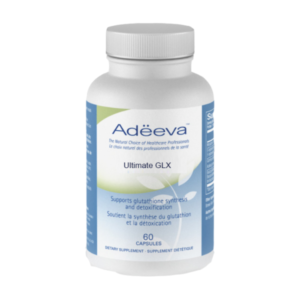
Although oral glutathione supplements often succumb to breakdown within the intestinal tract, N-acetylcysteine (NAC) emerges as a potent stimulator of glutathione synthesis, effortlessly traversing the blood-brain barrier to elevate brain glutathione levels. Additionally, nutrients like Alpha-lipoic acid, Silymarin from Milk thistle, and L-Glutamine furnish alternative routes to augment blood and tissue glutathione levels.

The Imperative of Glutathione Supplementation:

Given the age-related decline in glutathione levels and its pivotal role in neutralizing detrimental free radicals within the body and brain cells, supplementation becomes imperative around the age of 45-50. A judiciously formulated supplement encapsulating NAC, Alpha-lipoic acid, Silymarin, and L-Glutamine promises to synergistically elevate glutathione levels, ushering in a cascade of anti-aging and health-enhancing benefits.

Conclusion:

As the specter of Parkinson’s disease looms large, the spotlight shifts to glutathione supplementation as a beacon of hope in the battle against neurodegeneration. Armed with its antioxidant prowess, glutathione stands as a formidable fortress, shielding brain cells from the ravages of oxidative stress and extending a lifeline to those grappling with Parkinson’s disease. With meticulous supplementation strategies, individuals can bolster their defenses, fortifying themselves against the scourge of aging-related cognitive decline and embracing a future brimming with vitality and vigor.

References:


Eat Smart, Live Well, Look Great,

Dr. Meschino

Parkinson’s Disease – A Growing Concern

Parkinson’s disease, the second most common neurodegenerative condition after Alzheimer’s, affects one in five hundred
adults over fifty. By the year 2030, approximately nine million people are estimated to be afflicted with this condition as aging populations grow in many countries. The disease is caused by a combination of genetic and environmental factors, with unmitigated free radicals (oxidative stress) playing a significant role in its development.

The Role of Free Radicals and Glutathione

  • High levels of free radicals within dopamine-producing brain cells lead to their death, triggering the onset and progression of Parkinson’s disease.
  • Age-related decline in brain glutathione levels contributes to elevated free radicals during the aging process, increasing the risk of Parkinson’s disease and other neurodegenerative conditions.

Glutathione Treatment as an Effective Approach

  • Researchers have been investigating ways to increase brain glutathione levels in older subjects to protect brain cells from free radical damage and manage existing cases of Parkinson’s disease.
  • A 2021 meta-analysis confirmed that glutathione treatment is effective in improving muscle and movement function, including tremor reduction, in Parkinson’s patients.
  • Glutathione treatment not only reduces Parkinson’s disease symptoms but also inhibits steps involved in the underlying cause of the disease.

Optimizing Glutathione Levels

The Importance of Glutathione Supplementation

References:

  1. Wang H-L et al. Potential use of glutathione as a treatment for Parkinson’s disease. Exp Ther Med. 2021;21(2): 125 Link
  2. Smeyne M. Glutathione metabolism and Parkinson’s disease. Free Radic Biol Med. 2013; 62: 13-25
  3. Aoyama K. Glutathione in the brain. Int J Mol Sci. 2021; 22(9): 5010 Link

Eat Smart, Live Well, Look Great,

Dr. Meschino

Recommended Supplements

Dr. James Meschino

Dr. James Meschino

ABOUT THE AUTHOR

Dr. James Meschino, DC, MS, ROHP, is an educator, author, and researcher having lectured to thousands of healthcare professionals across North America. He holds a Master’s Degree in Science with specialties in human nutrition and biology and is recognized as an expert in the field of nutrition, anti-aging, fitness, and wellness as well as the author of numerous books.

Posted on

LMU 289 – NAC Administration Improves Parkinson’s Disease: The importance of preventing the age-related decline in brain glutathione

LMU-289

NAC: A Promising Supplement for Parkinson's Disease

Source: J Clinical Pharmacology & Therapeutics (2019)

Lifestyle Medicine Update (November 15, 2022)

Introduction: Unveiling the Role of Glutathione in Brain Health

The decline in brain glutathione levels with age has been linked to various neurodegenerative diseases, including Alzheimer’s and Parkinson’s. Glutathione serves a crucial role in protecting brain cells from free radical damage and supporting overall brain function.

Study Findings: NAC for Parkinson’s Disease

A 2019 study published in Clinical Pharmacology & Therapeutics explored the effects of N-acetylcysteine (NAC) supplementation on Parkinson’s disease symptoms. Patients receiving NAC exhibited significant improvement in Parkinson’s symptoms over a three-month period compared to those on standard care alone. Additionally, brain imaging revealed enhanced dopamine transporter activity, crucial for maintaining optimal dopamine levels and symptom relief in Parkinson’s patients.

Understanding the Mechanisms: NAC and Glutathione

NAC not only boosts brain glutathione levels, safeguarding against free radical damage, but also enhances dopamine transporter function. This dual action may contribute to improved symptom management and disease progression in Parkinson’s patients.

Implications for Brain Health: Preventing Age-Related Decline

Age-related decline in glutathione levels poses a significant risk for neurodegenerative diseases. Given the vulnerability of brain cells to oxidative stress, maintaining optimal glutathione levels becomes crucial for preserving cognitive function and mitigating disease risk.

Recommendations: Glutathione-Boosting Supplements

Taking a daily supplement containing NAC, along with alpha-lipoic acid, L-glutamine, and Milk Thistle standardized to 80% Silymarin Flavonoid Content, could help maintain glutathione levels after the age of 40. These supplements have demonstrated efficacy in raising blood and tissue glutathione levels, offering a proactive approach to brain health and aging.

Conclusion: A Step Towards Cognitive Wellness

Incorporating NAC supplementation alongside other glutathione-boosting nutrients presents a promising strategy for preserving brain health and combating neurodegenerative diseases. By addressing age-related glutathione decline, individuals can enhance their chances of healthy aging and sustained cognitive function.

References:

  1. Monti D et al. N-acetyl cysteine is associated with dopaminergic improvement in Parkinson’s disease. Clin Pharmacol Ther. 2019;106(4): 884-890 [Link](https://pubmed.ncbi.nlm.nih.gov/31206613/)
  2. Aoyama K. Glutathione in the brain. Int J Mol Sci. 2021, 22(9): 5010 [Link](https://www.ncbi.nlm.nih.gov/pmc/articles/PMC8125908/)
  3. Iskusnykh I.Y. et al. Glutathione in brain disorders and aging. J Molecules. 2022, 27(1): 324 [Link](https://www.ncbi.nlm.nih.gov/pmc/articles/PMC8746815/#:~:text=Impairment%20of%20glutathione%20function%20in,%2C%20stroke%2C%20and%20Alzheimer’s%20disease.)
  4. Ikeda K et al. Dopamine transporter imaging in Parkinson Disease: Progressive changes and therapeutic modification after anti-parkinsonian medication. [Link](https://www.ncbi.nlm.nih.gov/pmc/articles/PMC6630131/#:~:text=Clinical%20Role%20of%20Dopamine%20Transporter%20Imaging&text=DAT%20is%20the%20most%20important,release%20from%20the%20presynaptic%20terminal.)
  5. Dopamine Transporter (DAT) [Link](https://en.wikipedia.org/wiki/Dopamine_transporter)
 
Eat Smart, Live Well, Look Great,

Dr. Meschino

Recommended Supplements

Dr. James Meschino

Dr. James Meschino

ABOUT THE AUTHOR

Dr. James Meschino, DC, MS, ROHP, is an educator, author, and researcher having lectured to thousands of healthcare professionals across North America. He holds a Master’s Degree in Science with specialties in human nutrition and biology and is recognized as an expert in the field of nutrition, anti-aging, fitness, and wellness as well as the author of numerous books.

Posted on

LMU 267 – The Potential and Perils of Metformin: A Double-Edged Sword in the Fight Against Disease

LMU-267

The Potential and Perils of Metformin: A Double-Edged Sword in the Fight Against Disease

Source: 13th International Conference on Alzheimer’s and Parkinson’s disease (Abstract 312), presented on March 29, 2017, and reviewed in the December 5, 2022, Medscape Article

Lifestyle Medicine Update (December 6, 2022)

Introduction:

Metformin, a staple in diabetes management, has garnered attention for its potential in cancer prevention and heart health. However, concerns have arisen regarding its link to neurological disorders like Parkinson’s disease and dementia. While studies show its efficacy in impeding cancer progression, recent research indicates its role in impairing mitochondria, raising concerns. Natural alternatives such as soy isoflavones, EGCG, curcumin, and lifestyle choices offer protective benefits without these risks. Embracing holistic approaches and lifestyle medicine is a promising path to well-being.

The Diabetes Wonder Drug with Unforeseen Consequences

Metformin, a household name in diabetes management, has earned its reputation as the go-to drug for type 2 diabetes. Beyond its blood sugar-lowering capabilities, it boasts a unique set of skills that makes it a contender in the realm of cancer prevention and heart health. For diabetics, it’s more than just a glucose regulator; it’s a potential shield against cancer development and cardiovascular disease. This wonder drug has sparked conversations about its broader use in the general population, especially after the age of 50. But beneath its impressive façade lies an unexpected twist, one that has raised concerns about its potential link to neurological disorders like Parkinson’s disease and dementia.

The Metformin Marvel: A Guardian Against Disease

Metformin’s efficacy extends far beyond glycemic control. It has emerged as a formidable opponent in the battle against several health challenges. Notably, it has shown prowess in impeding the progression of cancer, making it a beacon of hope for diabetics. Studies suggest that diabetics prescribed Metformin exhibit cancer rates nearly 30% lower than their counterparts who opt for other glucose-lowering medications. With cancer and heart disease dominating the leading causes of death, it’s not surprising that many physicians have advocated for Metformin use beyond diabetes management, heralding it as a preventive shield.

A Dubious Connection: Metformin and the Dark Side of Mitochondria

But, as with most medical marvels, there is often more than meets the eye. Over the past decade, studies have unearthed an unsettling revelation – Metformin’s role in undermining the energy-producing powerhouses of our cells, mitochondria. More specifically, it interferes with Complex I in the mitochondria, a crucial cog in the cellular energy generation machinery. The impairment of Complex I in mitochondria is a significant player in the development of Parkinson’s disease, a prevalent movement disorder affecting one in 600 people over 60. This impairment is intricately linked to exposure to certain pesticides, namely rotenone and paraquat, which inhibit Complex I in the mitochondria and significantly elevate the risk of Parkinson’s disease. Animal studies further validate this association, demonstrating that Complex I inhibitors can incite Parkinson’s disease-like symptoms in these creatures.

The grim revelation that Metformin follows in the footsteps of these pesticides led to a landmark study presented at the 13th International Conference on Alzheimer’s and Parkinson’s disease. The results, published in an eye-opening Medscape article titled “Metformin Use Linked to Increased Dementia, Parkinson’s Risk in Patients with Diabetes,” found that in a cohort of 9300 type 2 diabetes patients in Taiwan, the risk of developing Parkinson’s disease and dementia was more than doubled in those treated with Metformin compared to those treated with alternative glucose-lowering drugs. Even after accounting for all other risk factors, including those for dementia and Parkinson’s, the results remained unequivocal. “The cumulative incidences of Parkinson’s and dementia were significantly higher in our Metformin cohort at 12 years,” emphasized Dr. Kuan, one of the lead researchers behind the study. Moreover, the study disclosed a worrisome trend: higher dosages and extended Metformin use correlated with an even greater risk of Parkinson’s disease and dementia, particularly after 300 days of continuous use and doses exceeding 240 grams (2400 mg) per day.

The Dilemma: To Metformin or Not to Metformin?

This research carries significant weight, especially as some experts propose Metformin as a universal shield against cancer and heart disease. However, the newfound risk of dementia and Parkinson’s disease casts a long shadow of doubt over this once-venerated drug. To complicate matters further, Metformin’s suppression of the immune system, known for increasing the susceptibility to infections, adds to the equation. Hence, it becomes vital to explore alternatives that can offer similar protective effects against cancer and cardiovascular disease without the looming risks of Parkinson’s and dementia. And the good news is that such alternatives do exist.

Nature’s Armor: Natural Compounds for Disease Prevention

Soy isoflavones found in soy products and soy extract supplements, EGCG from green tea and green tea extract supplements, and curcumin, a polyphenol found in the spice turmeric and curcumin-containing supplements, have been identified as potential contenders in the battle against cancer and heart disease. They act as natural inhibitors, much like Metformin, but without the ominous shadow of neurodegenerative disorders. Aerobic exercise and caloric restriction, including intermittent fasting, offer additional strategies to thwart the mTOR pathway, which is closely tied to the risk of cancer and cardiovascular disease. These holistic approaches encompass a wide array of tools to safeguard health and longevity without the unsettling side effects associated with Metformin.

The Power of Natural Nutrition and Lifestyle Medicine

The journey towards well-being need not rely solely on pharmaceutical interventions. Nutrition and lifestyle medicine have proven time and again to be potent allies in the battle against various diseases. As the population ages and the debate over Metformin’s extended usage continues, it is crucial to remember that a treasure trove of options exists. This new approach to wellness should be embraced more broadly, ultimately finding its place in our conventional healthcare system. For those who seek to reduce their risk of cancer and heart disease without courting the shadow of Parkinson’s or dementia, the power of natural compounds, exercise, and dietary strategies holds the promise of a brighter and healthier future.

References:

  1. [Environmental Health Perspectives – Rotenone and Paraquat Linked to Parkinson’s Disease](https://www.ncbi.nlm.nih.gov/pmc/articles/PMC3114841/)
  2. [Frontiers in Endocrinology – Metformin-Induced Mitochondrial Complex I Inhibition](https://www.frontiersin.org/articles/10.3389/fendo.2018.00753/full)
  3. [Medscape – Metformin Use Linked to Increased Dementia, Parkinson’s Risk in Patients with Diabetes](https://www.medscape.com/viewarticle/877965#vp_2)
  4. [Harvard Health Publishing – Is Metformin a Wonder Drug](https://www.health.harvard.edu/blog/is-metformin-a-wonder-drug-202109222605#:~:text=For%20decades%20we’ve%20known,with%20diabetes%20lose%20excess%20weight.)
  5. [Cancer Management and Research – The Beneficial Effects of Metformin on Cancer Prevention and Therapy](https://www.ncbi.nlm.nih.gov/pmc/articles/PMC6497052/)
  6. [Anticancer Agents in Medicinal Chemistry – Updates of mTOR Inhibitors](https://www.ncbi.nlm.nih.gov/pmc/articles/PMC2980558/#:~:text=Besides%2C%20some%20natural%20products%2C%20such,to%20inhibit%20mTOR%20as%20well)
  7. [International Journal of Molecular Sciences – The Role of Curcumin in Modulation of Ageing](https://www.ncbi.nlm.nih.gov/pmc/articles/PMC6273643/)
  8. [Oxidative Medicine and Cellular Longevity – New Insights into the Role of Exercise in Inhibiting mTOR Signaling](https://www.ncbi.nlm.nih.gov/pmc/articles/PMC6186337/)
  9. [Cell Cycle – Calorie Restriction: Decelerating mTOR-Driven Aging from Cells to Organisms (including Humans)](https://www.tandfonline.com/doi/pdf/10.4161/cc.9.4.10766)


Eat Smart, Live Well, Look Great,

Dr. Meschino

These impressive findings have prompted some doctors to suggest that we all should take Metformin after the age of 50 to help reduce the risk of cancer and cardiovascular disease, the two leading causes of death in our society. However, evidence published within the past decade has also shown that Metformin inhibits the function of the cell’s energy factory, known as the mitochondria. More specifically, it inhibits the function of Complex I in the mitochondria, which is vitally important for cells to make the energy they require for normal functioning. Studies show that impairment of Complex I in the mitochondria is an important step in the development of Parkinson’s disease, which is the leading movement disorder, affecting one in 600 people over the age of 60. Exposure to pesticides, rotenone, and paraquat, which inhibit Complex I in the mitochondria is strongly linked to an increased risk of Parkinson’s disease. Animal studies have confirmed that Complex I inhibitors, including rotenone and paraquat, cause the development of Parkinson’s disease-like symptoms in animals.

Because Metformin also inhibits Complex I in the cell’s mitochondria, it was postulated by some researchers that, like certain pesticides, it may also increase the risk of Parkinson’s disease.  These suspicions were realized in the research results presented at the 13th International Conference on Alzheimer’s and Parkinson’s disease (Abstract 312), presented on March 29, 2017, and discussed in a Medscape article published on December 5, 2022, entitled, “Metformin Use Linked to Increased Dementia, Parkinson’s Risk in Patients with Diabetes”.

In this study, researchers followed 9300 patients with type 2 diabetes in Taiwan for up to 12 years and found that the risk for Parkinson’s disease and dementia was more than double in the diabetics treated with Metformin, compared to the diabetic patients who were treated with other glucose-lowering drugs during the same period. The results remained unchanged after controlling for all other risk factors for dementia and Parkinson’s disease. As they stated, “The cumulative incidences of Parkinson’s and dementia were significantly higher in our Metformin cohort at 12 years” (Dr. Kuan). The study also showed that the higher the dosage and the longer the duration of Metformin use, the greater the risk of Parkinson’s disease and dementia, especially after 300 days of continuous use and doses higher than 240 grams (2400 mg) per day.

I believe these findings are very important because as the population ages some doctors are suggesting that we use Metformin to help prevent cancer and cardiovascular disease, even if we don’t have type 2 diabetes. But this study is suggesting that it may have the negative effect of increasing the risk for dementia and Parkinson’s disease. Furthermore, Metformin also depresses the immune system, which is associated with an increased risk for infections. So, it should interest you to know that some natural compounds work in a similar way as Metformin to reduce the risk of cancer and cardiovascular disease without increasing the risk of Parkinson’s disease and dementia or weakening the immune system. Some of these natural compounds include:

  • Soy isoflavones (found in soy products and soy extract supplements)
  • EGCG (found in green tea and green tea extract supplements)
  • Curcumin (found in the spice turmeric and curcumin-containing supplements)

Also included on this list of cancer and cardiovascular protecting strategies is Aerobic exercise and caloric restriction (including intermittent fasting), which also inhibit the mTOR pathway linked to cancer and cardiovascular disease risk.

I’ve been tempted over the years to use the drug Metformin as an intervention to further reduce cancer and cardiovascular disease risk, but the evidence pointing to an increased risk of dementia and Parkinson’s disease from use of this drug has convinced me to continue to exclusively use only the more natural nutrition, exercise, and supplementation strategies I have employed thus far. In fact, some of these natural supplements and food constituents, as well as exercise and caloric restriction, are shown to also help to prevent Parkinson’s disease and dementia as well. Nutrition and lifestyle medicine is good medicine, and it needs to be featured more in our overall conventional healthcare system.

I have included the references for all this information in the text below.

References:

Spivey A. Rotenone and paraquat linked to Parkinson’s disease: Human exposure study supports years of animal studies. Environ Health Perspect. 2011; 119 (6): A259 https://www.ncbi.nlm.nih.gov/pmc/articles/PMC3114841/

Sherer TB et al. Mechanism of toxicity in rotenone models of Parkinson’s disease. J Neursci. 2002; 23 (34): 10756-10764. https://www.ncbi.nlm.nih.gov/pmc/articles/PMC6740985/

 Metformin use linked to increased dementia, Parkinson’s disease risk in patients with diabetes. Medscape. Monday December 5, 2022. https://www.medscape.com/viewarticle/877965#vp_2

Fontaine E. Metformin-induced mitochondrial complex I inhibition: Facts, uncertainties, and consequences. Frontiers in Endocrinology (Dec 17, 2018) https://www.frontiersin.org/articles/10.3389/fendo.2018.00753/full

Is Metformin a Wonder Drug Harvard Health Publishing (September 29, 2021). https://www.health.harvard.edu/blog/is-metformin-a-wonder-drug-202109222605#:~:text=For%20decades%20we’ve%20known,with%20diabetes%20lose%20excess%20weight.

Saraei P et al. The beneficial effects of metformin on cancer prevention and therapy: A comprehensive review of recent advances. Cancer Manag Res. 2019; 11: 3295-3313. https://www.ncbi.nlm.nih.gov/pmc/articles/PMC6497052/

Natural Agents that Reduce Cancer and Cardiovascular Disease via mTOR pathway Inhibition similar to Metformin Cancer Prevention Effect:

Zhou H et al. Updates of mTOR inhibitors. Anticancer Agents Med Chem. 2010; Sept 1: 10 (7): 571-581 https://www.ncbi.nlm.nih.gov/pmc/articles/PMC2980558/#:~:text=Besides%2C%20some%20natural%20products%2C%20such,to%20inhibit%20mTOR%20as%20well

Huang C et al. Soy isoflavones regulate lipid metabolism through AKT/mTOR1 pathway in diet-induced obesity (DIO) male rats. J Molecules. 2016 May; 21 (5): 586 https://www.ncbi.nlm.nih.gov/pmc/articles/PMC6273643/

Bielak-Zmijewska et al. The role of curcumin in modulation of ageing. Int J Mol Sci. 2019; 29 (5): 1239 https://www.ncbi.nlm.nih.gov/pmc/articles/PMC6273643/

Agostini D et al. New insights into the role of exercise in inhibiting mTOR signaling in triple-negative breast cancer. Oxid Med Cell Longev. 2018: https://www.ncbi.nlm.nih.gov/pmc/articles/PMC6186337/

Blagosklonny MV. Calorie restriction: Decelerating mTOR-driven aging from cells to organisms (including humans). Cell Cycle. 2009https://www.tandfonline.com/doi/pdf/10.4161/cc.9.4.10766


Eat Smart, Live Well, Look Great,

Dr. Meschino

Recommended Supplements

Dr. James Meschino

Dr. James Meschino

ABOUT THE AUTHOR

Dr. James Meschino, DC, MS, ROHP, is an educator, author, and researcher having lectured to thousands of healthcare professionals across North America. He holds a Master’s Degree in Science with specialties in human nutrition and biology and is recognized as an expert in the field of nutrition, anti-aging, fitness, and wellness as well as the author of numerous books.