Posted on

LMU 253 – A Breakthrough in Battling Non-Alcoholic Fatty Liver Disease: The Vital Role of B Vitamins

LMU-253

A Breakthrough in Battling Non-Alcoholic Fatty Liver Disease: The Vital Role of B Vitamins

Source: Journal of Hepatology (July 2022)

Lifestyle Medicine Update (August 11, 2022)

Introduction:

Non-Alcoholic Fatty Liver Disease (NAFLD) has quietly become a global health crisis, affecting a staggering 25% of the world’s population. Contrary to its name, NAFLD isn’t solely linked to alcohol consumption. A more sinister variant, Non-Alcoholic Steatohepatitis (NASH), poses a severe threat. Recent research highlights that lifestyle choices, including high-fat diets and sedentary routines, are key contributors to this burgeoning problem. However, a groundbreaking study published in July 2022 offers new hope, unveiling the potential of B vitamins, particularly Vitamin B12 and Folic acid, in combating NASH and safeguarding liver health.

The Global NASH Epidemic: Beyond Alcohol

NASH is no minor concern; it can progress to liver dysfunction, cirrhosis, and even elevate the risk of primary liver cancer. The surge in NASH cases is closely linked to global lifestyle trends, such as rising obesity rates, increased consumption of fatty and sugary foods, and a decline in physical activity. It’s time to recognize that the path to protecting your liver health is more than just about avoiding alcohol.

The Role of Diet and Exercise

An effective strategy for preventing and reversing early-stage NASH involves dietary changes and increased physical activity. Reducing the intake of high-fat animal products and fried foods can serve as a crucial step. Similarly, managing sugar consumption and embracing regular endurance exercises can be equally impactful.

The Link Between Homocysteine and NASH

In a significant breakthrough, researchers discovered that individuals with progressive NASH often exhibit high blood levels of homocysteine. This compound is linked to the damage of enzymes and structures within liver cells, accelerating NASH’s progression towards serious liver dysfunction and cirrhosis.

B Vitamins: A Game-Changer

The research, published in the *Journal of Hepatology*, demonstrated that Vitamin B12 and Folic acid supplements can effectively lower homocysteine levels. This reduction results in a remarkable improvement in liver function. Vitamin B12 and Folic acid help recycle homocysteine back to methionine within our cells, including liver cells. By doing so, they lower homocysteine levels, restoring normal liver cell function. These findings propose Vitamin B12 and Folic acid supplementation as a promising first-line therapy for NASH, particularly for individuals with high homocysteine blood levels.

Prioritize Liver Health

To ensure your liver’s well-being, consider an annual check-up of your liver enzymes as part of your standard blood profile. Early-stage NASH is asymptomatic, but elevated liver enzymes can serve as a warning sign. For a comprehensive evaluation, a blood homocysteine test should be included in your follow-up. Elevated homocysteine levels are associated with an increased risk of heart attacks, strokes, Alzheimer’s disease, and can worsen certain mental health conditions. Vitamin B12 and Folic acid can often normalize homocysteine levels if initially found to be elevated.

Conclusion:

In the face of the NASH epidemic, the significance of diet, exercise, and the potential of B vitamins cannot be underestimated. By embracing a proactive approach and adopting a healthy lifestyle, we can safeguard our liver health, mitigating the risk of NASH and its grave consequences.

References:

  1. [Journal of Hepatology: “Vitamin B12 and folate decrease inflammation and fibrosis in NASH by preventing syntaxin 17 homocyteinylation.” July 8, 2022](https://www.journal-of-hepatology.eu/article/S0168-8278(22)02932-4/fulltext)
  2. [Science Daily: “B vitamins can potentially be used to treat advanced non-alcoholic fatty liver disease.” August 5, 2022](https://www.journal-of-hepatology.eu/article/S0168-8278(22)02932-4/fulltext)
  3. [Peng H et al. “Elevated homocysteine levels and risk of cardiovascular and all-cause-mortality: a meta-analysis of prospective studies.” J Zhejiang Univ Sci B. 2015; 16(1)](https://www.ncbi.nlm.nih.gov/pmc/articles/PMC4288948/)
 
Eat Smart, Live Well, Look Great,
 

Dr. Meschino


Dr. James Meschino

Dr. James Meschino

ABOUT THE AUTHOR

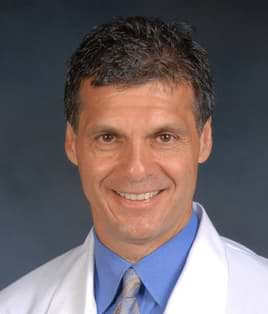
Dr. James Meschino, DC, MS, ROHP, is an educator, author, and researcher having lectured to thousands of healthcare professionals across North America. He holds a Master’s Degree in Science with specialties in human nutrition and biology and is recognized as an expert in the field of nutrition, anti-aging, fitness, and wellness as well as the author of numerous books.

Posted on

LMU 233 – Choosing the Right Vitamin D: D2 vs. D3 for Immune Health

LMU-233

Choosing the Right Vitamin D: D2 vs. D3 for Immune Health

Source: Frontiers in Immunology (2022)

Nutrition / Natural Medicine Update (February , 2016)

Introduction:

When it comes to vitamin D, there’s more to the story than meets the eye. Many folks may not be aware that vitamin D comes in two distinct forms: vitamin D2 and vitamin D3. While vitamin D3 has long been hailed as the more potent and beneficial option, there’s a twist in the tale, especially for those following vegan or vegetarian diets. In this article, we’ll explore the importance of vitamin D for immune health and why vitamin D3 might be the smarter choice.

The Vegan Dilemma

For vegans and vegetarians, vitamin D2 has been the go-to choice as it is sourced from non-animal origins. However, when it comes to bolstering the body’s defences, the evidence suggests that vitamin D3 takes the lead.

New Insights from a Study

In the February 2022 issue of the journal *Frontiers in Immunology*, a study shed light on this vitamin D debate. Researchers conducted a 12-week study involving a substantial group of healthy European and South Asian women during the winter months. They administered either vitamin D2 or vitamin D3 and made a remarkable discovery: vitamin D3 enhanced the secretion of interferon from immune cells, a vital component in the body’s defence system against infections, including COVID-19 and cancerInterferon plays a multifaceted role, from alerting the immune system to recognizing and attacking invaders to preventing the growth of viruses and cancer cells.

The Power of Interferon

Interferon, as a vigilant immune system messenger, accomplishes several essential tasks:

  • Alerts the immune system to take action against viruses and cancer cells.
  • Aids in the recognition of these threats by the immune system.
  • Coordinates the efforts of other immune cells to combat the invaders.
  • Halts the replication and growth of viruses and cancer cells.
  • Assists healthy cells in their fight against infections.

Regarding COVID-19, the researchers noted that “our finding that vitamin D3 appears to stimulate type I interferon signalling could be relevant in the context of its use as a prophylactic treatment” to help prevent severe COVID-19 complications.

The Source Matters

It’s worth noting that vitamin D3, found in supplements and many fortified dairy products, shares its origin with our own skin’s vitamin D synthesis when exposed to sunlight—sheep’s skin (lanolin). In contrast, vitamin D2, present in select supplements and fortified foods like some orange juices and cereals, is produced by exposing various mushrooms to UV light. Vitamin D2, also known as ergocalciferol, is less costly, which is why some products opt for it instead of vitamin D3.

The Preferred Choice

Considering the growing body of evidence, opting for supplements containing vitamin D3 appears to be a wise choice. Not only does it have a positive impact on immune health, but it may also offer benefits for bone health. For those seeking robust support for their overall well-being, vitamin D3 stands out as the superior option.

Reference:

  1. Louise R. Durrant, Giselda Bucca, Andrew Hesketh, Carla Möller-Levet, Laura Tripkovic, Huihai Wu, Kathryn H. Hart, John C. Mathers, Ruan M. Elliott, Susan A. Lanham-New, Colin P. Smith. *Vitamins D2 and D3 Have Overlapping But Different Effects on the Human Immune System Revealed Through Analysis of the Blood Transcriptome.* Frontiers in Immunology, 2022. [Read more](https://www.frontiersin.org/articles/10.3389/fimmu.2022.790444/full)
  2. Science Daily: *Study questioning the role of vitamin D2 in human health but its sibling, vitamin D3, could be important for fighting infections.* February 25, 2022. [Read more](https://www.sciencedaily.com/releases/2022/02/220225085906.htm)
 
Eat Smart, Live Well, Look great,
 

Dr. Meschino

Introduction:

When it comes to vitamin D, there’s more to the story than meets the eye. Many folks may not be aware that vitamin D comes in two distinct forms: vitamin D2 and vitamin D3. While vitamin D3 has long been hailed as the more potent and beneficial option, there’s a twist in the tale, especially for those following vegan or vegetarian diets. In this article, we’ll explore the importance of vitamin D for immune health and why vitamin D3 might be the smarter choice.

The Vegan Dilemma

For vegans and vegetarians, vitamin D2 has been the go-to choice as it is sourced from non-animal origins. However, when it comes to bolstering the body’s defences, the evidence suggests that vitamin D3 takes the lead.

New Insights from a Study

In the February 2022 issue of the journal *Frontiers in Immunology*, a study shed light on this vitamin D debate. Researchers conducted a 12-week study involving a substantial group of healthy European and South Asian women during the winter months. They administered either vitamin D2 or vitamin D3 and made a remarkable discovery: vitamin D3 enhanced the secretion of interferon from immune cells, a vital component in the body’s defence system against infections, including COVID-19 and cancer. Interferon plays a multifaceted role, from alerting the immune system to recognizing and attacking invaders to preventing the growth of viruses and cancer cells.

The Power of Interferon

Interferon, as a vigilant immune system messenger, accomplishes several essential tasks:

  • Alerts the immune system to take action against viruses and cancer cells.
  • Aids in the recognition of these threats by the immune system.
  • Coordinates the efforts of other immune cells to combat the invaders.
  • Halts the replication and growth of viruses and cancer cells.
  • Assists healthy cells in their fight against infections.

Regarding COVID-19, the researchers noted that “our finding that vitamin D3 appears to stimulate type I interferon signalling could be relevant in the context of its use as a prophylactic treatment” to help prevent severe COVID-19 complications.

The Source Matters

It’s worth noting that vitamin D3, found in supplements and many fortified dairy products, shares its origin with our own skin’s vitamin D synthesis when exposed to sunlight—sheep’s skin (lanolin). In contrast, vitamin D2, present in select supplements and fortified foods like some orange juices and cereals, is produced by exposing various mushrooms to UV light. Vitamin D2, also known as ergocalciferol, is less costly, which is why some products opt for it instead of vitamin D3.

The Preferred Choice

Considering the growing body of evidence, opting for supplements containing vitamin D3 appears to be a wise choice. Not only does it have a positive impact on immune health, but it may also offer benefits for bone health. For those seeking robust support for their overall well-being, vitamin D3 stands out as the superior option.

Reference:

  1. Louise R. Durrant, Giselda Bucca, Andrew Hesketh, Carla Möller-Levet, Laura Tripkovic, Huihai Wu, Kathryn H. Hart, John C. Mathers, Ruan M. Elliott, Susan A. Lanham-New, Colin P. Smith. *Vitamins D2 and D3 Have Overlapping But Different Effects on the Human Immune System Revealed Through Analysis of the Blood Transcriptome.* Frontiers in Immunology, 2022. [Read more](https://www.frontiersin.org/articles/10.3389/fimmu.2022.790444/full)
  2. Science Daily: *Study questioning the role of vitamin D2 in human health but its sibling, vitamin D3, could be important for fighting infections.* February 25, 2022. [Read more](https://www.sciencedaily.com/releases/2022/02/220225085906.htm)
 
Eat Smart, Live Well, Look great,


Dr. Meschino

Dr. James Meschino

Dr. James Meschino

ABOUT THE AUTHOR

Dr. James Meschino, DC, MS, ROHP, is an educator, author, and researcher having lectured to thousands of healthcare professionals across North America. He holds a Master’s Degree in Science with specialties in human nutrition and biology and is recognized as an expert in the field of nutrition, anti-aging, fitness, and wellness as well as the author of numerous books.

Posted on

LMU 231 – Exploring the Potential of Vitamin D: A Game-Changer in Cancer Prevention

LMU-231

Exploring the Potential of Vitamin D: A Game-Changer in Cancer Prevention

Source: Medscape Expert Panel Interview (January 10, 2022)

Lifestyle Medicine Update (Feb 14, 2022)

Introduction:

In a pivotal panel discussion held on January 10, 2022, renowned experts in the field of vitamin D, including Dr. Michael Holick and Dr. JoAnn Manson, provided a comprehensive update on the role of vitamin D in safeguarding human health. The discussion, moderated by Dr. Pam R. Taub, a distinguished cardiologist and professor of medicine at the University of California, San Diego, delved into various aspects of vitamin D’s impact on our well-being.

Vitamin D’s Crucial Role in Cancer Prevention

Dr. Michael Holick is celebrated for identifying the major circulating form of vitamin D in human blood, 25-hydroxyvitamin D3. His pioneering research over the past four decades has shed light on the myriad benefits of vitamin D, significantly raising its profile in healthcare. During the panel discussion, he, along with Dr. JoAnn Manson, another esteemed vitamin D researcher and a professor of medicine at Harvard Medical School, addressed the vital connection between vitamin D and cancer risk.

Insights from the VITAL Study

A focal point of their discussion was the **Vitamin D and OmegA-3-Trial (VITAL study)**, a large-scale, nationwide trial involving over 25,000 participants in the United States. Dr. Holick and Dr. Manson highlighted a significant finding: when individuals took 2,000 IU of vitamin D daily for at least two years, they experienced a remarkable 25% reduction in cancer-related deaths compared to those in the placebo group. This discovery is particularly noteworthy because several prior randomized trials had hinted at vitamin D’s potential in reducing cancer mortality. For example, a meta-analysis of five large-scale trials revealed a 13% decrease in cancer deaths among those taking vitamin D supplements compared to those on a placebo.

The Right Way to Take Vitamin D

Dr. Holick emphasized a crucial aspect of vitamin D supplementation. Current evidence indicates that taking vitamin D in large, infrequent doses—such as once a week or once a month—does not confer protection against cancer. On the other hand, individuals taking smaller daily doses, like 2,000 IU per day, exhibited a substantial reduction in cancer risk. While some doctors may recommend weekly or monthly doses as high as 50,000 IU for severely deficient individuals, this approach does not appear to reduce cancer risk based on available studies.

The Optimal Blood Level for Cancer Prevention

Both Dr. Holick and Dr. Manson emphasized the importance of achieving a specific blood level of vitamin D for effective cancer prevention. While the medical community often considers a blood level of 50 nmol/L (20 ng/mL) as adequate for bone health, achieving a level above 75 nmol (30 ng/mL) is critical for significant cancer prevention. To maximize protection, it is advisable for most individuals to maintain a blood vitamin D level between 85 – 140 nmol/L (32-56 ng/mL) by supplementing with 1,000 – 2,000 IU of vitamin D daily. Periodic monitoring of your vitamin D levels can help ensure you stay within the ideal range, with exceptions being made for specific medical conditions or infections that may require higher levels.

Conclusion

In summary, the insights shared by these experts underscore the remarkable potential of vitamin D in cancer prevention. By understanding the optimal supplementation strategies and target blood levels, individuals can harness the benefits of vitamin D to reduce their risk of cancer and enjoy improved overall health.

Reference:

Excerpts from Medscape Interview Published January 31, 2022: *Beyond Bone Health: Does Vitamin D Have a Role in Cancer, CVD, and COVID?* [Read more](https://www.medscape.com/viewarticle/959893?uac=342474MN&faf=1&sso=true&impID=3926885&src=wnl_tp10n_220106_mscpedit#vp_1)


Eat Smart, Live Well, Look Great,

Dr. Meschino

All-in-One Multi-Vitamin & Mineral

This supplement saves you having to buy 8 different vitamin and mineral supplement bottles. Read More…..

Dr. James Meschino

Dr. James Meschino

ABOUT THE AUTHOR

Dr. James Meschino, DC, MS, ROHP, is an educator, author, and researcher having lectured to thousands of healthcare professionals across North America. He holds a Master’s Degree in Science with specialties in human nutrition and biology and is recognized as an expert in the field of nutrition, anti-aging, fitness, and wellness as well as the author of numerous books.

Posted on

LMU 229 – The Sunshine Vitamin’s Role in Battling COVID-19: Insights from the Experts

LMU 229

LMU 229 - The Sunshine Vitamin's Role in Battling COVID-19: Insights from the Experts

Source: Medscape Expert Panel Interview (January 10, 2022)

Lifestyle Medicine Update (February 1, 2022)

Introduction:

In an illuminating panel discussion that took place on January 10, 2022, three distinguished vitamin D experts gathered to provide insights into the profound impact of vitamin D on human health, particularly in the context of COVID-19. Dr. Pam R. Taub, a renowned cardiologist and professor of medicine at the University of California, San Diego, skilfully moderated the discussion. Dr. Michael Holick, a pioneer in vitamin D research and a professor of medicine at Boston University, and Dr. JoAnn Manson, another luminary in the field and a professor of medicine at Harvard Medical School, contributed their expertise to this enlightening conversation.

The Protective Power of Vitamin D

Dr. Taub initiated the discussion with a pressing question: “There’s a large amount of data that shows low vitamin D levels are associated with patients who have more complications from COVID-19 and are in the ICU. What are your thoughts on supplementation with vitamin D for everyone?”

Dr. Holick responded with compelling insights based on extensive research. He stated, “We initiated studies almost immediately after the pandemic began. We worked with Quest Diagnostics and looked at more than 191,000 COVID-positive patients throughout all 50 states, all ages, ethnicities, and latitudes, and showed that if you have a blood level of 25-hydroxyvitamin D of 20 ng/mL (50 nmol/L) compared with 34 ng/mL (85 nmol/L), you had a 54% higher risk of acquiring the infection.”

Dr. Holick further explained that vitamin D plays a crucial role in immunomodulation, which is pivotal in mitigating the cytokine storm associated with COVID-19. The active form of vitamin D helps to regulate cytokines, thus reducing the harmful ones and enhancing those with protective properties. In clinical studies, patients with sufficient vitamin D levels upon admission to the hospital exhibited a significant reduction in morbidity and mortality, particularly among those over the age of 40.

Dr. Manson echoed these sentiments, emphasizing that vitamin D’s potential benefits during a pandemic make it a safe and logical choice for supplementation. She cited the VITAL study, which demonstrated that daily doses of 2000 IUs of vitamin D were virtually free of adverse events over 5.3 years. Dr. Manson advocated for outdoor sun exposure, physical activity, and a daily vitamin D supplement of 1000 or 2000 IUs during the pandemic.

A Ray of Hope in Ongoing Research

Dr. Manson also shared exciting news about ongoing research. The Vitamin D for COVID-19 trial (VIVID) aims to evaluate the impact of high-dose vitamin D supplementation (10,000 IUs for two days followed by 3200 IUs daily for four weeks) on the severity of COVID-19 symptoms, hospitalization rates, and healthcare visits. The results of this trial are anticipated at the end of the year or early 2022.

Tailored Vitamin D Recommendations

Dr. Holick emphasized that following the Endocrine Society practice guidelines is a reasonable approach. For adults, a daily intake of 1500-2000 units is recommended, with consideration for higher doses in obese individuals. Dr. Manson suggested that during a pandemic, recommendations should lean towards more vitamin D intake, especially in a population-wide context, recommending 1000-2000 IUs daily.

Optimal Vitamin D Levels: A Balancing Act

Both experts acknowledged that maintaining optimal vitamin D levels is paramount in reducing the risk and severity of COVID-19. A target blood vitamin D level between 85-140 nmol/L (30-52 ng/mL) is generally recommended, often achieved through daily supplementation of 1000-2000 IUs of vitamin D. However, individual needs may vary, emphasizing the importance of consulting with healthcare professionals to determine the ideal vitamin D regimen.

In conclusion, the consensus among vitamin D experts points to the potential benefits of vitamin D in preventing COVID-19 infection and reducing its severity. While further research is underway, individuals are encouraged to maintain adequate vitamin D levels, especially during a pandemic, to bolster their immune system and safeguard their health.

Reference:

Excerpts from Medscape Interview Published January 31, 2022: Beyond Bone Health: Does Vitamin D Have a Role in Cancer, CVD, and COVID? [Link](https://www.medscape.com/viewarticle/959893?uac=342474MN&faf=1&sso=true&impID=3926885&src=wnl_tp10n_220106_mscpedit#vp_1)


Eat Smart, Live Well, Look Great,

Dr. Meschino

All-in-One Multi-Vitamin & Mineral

This supplement saves you having to buy 8 different vitamin and mineral supplement bottles.Read More…..

Dr. James Meschino

Dr. James Meschino

ABOUT THE AUTHOR

Dr. James Meschino, DC, MS, ROHP, is an educator, author, and researcher having lectured to thousands of healthcare professionals across North America. He holds a Master’s Degree in Science with specialties in human nutrition and biology and is recognized as an expert in the field of nutrition, anti-aging, fitness, and wellness as well as the author of numerous books.

Posted on

LMU 206 – How Vitamin D Levels May Hold the Key to Combatting Opioid Addiction

How Vitamin D Levels May Hold the Key to Combatting Opioid Addiction

Source: J Science Advances (June 2021)

Lifestyle Medicine Update (June 16, 2021)

Introduction:

Opioid addiction is a grave public health crisis, and a groundbreaking study published in the journal Science Advances in June 2021 has illuminated a previously unrecognized factor in this ongoing epidemic. This research suggests that individuals with optimal vitamin D blood levels are less likely to fall victim to opioid addiction. Given the severity of the opioid crisis, this discovery carries significant implications for addiction prevention and treatment.

Vitamin D and Opioid Addiction: Uncovering the Connection

The study, drawing from data sourced in the National Health and Nutrition Examination Survey (NHANES 2003-2004), brings to light a striking correlation: Americans with low vitamin D levels (below 20 ng/mL or 50 nmol/L) exhibit a higher propensity for opioid use and the development of opioid addiction compared to those with vitamin D levels at or above 20 ng/mL (50 nmol/). What sets this finding apart is its resilience even after accounting for factors like age, gender, history of fractures, the season of blood analysis, and the presence of chronic pain—conditions that frequently lead individuals to turn to opioids for pain relief.

The Sunshine Connection

Understanding this connection between vitamin D and opioid addiction becomes clearer when considering the role of sunlight exposure. Exposing the skin to sunlight or tanning beds not only triggers the synthesis of vitamin D but also enhances the production and release of endorphins. Endorphins, often referred to as “feel-good” hormones, provide a sense of euphoria and well-being. This phenomenon explains why many individuals crave the sensation of sunlight on their skin or even become mildly addicted to tanning beds—an endorphin rush is at play.

However, it’s essential to strike a balance since excessive UV-light exposure can lead to skin aging and skin cancer. Scientists posit that humans have evolved to seek sunlight because it not only triggers endorphin release but also facilitates vitamin D synthesis, guarding against vitamin D deficiency.

The Multifaceted Role of Vitamin D

Vitamin D serves as a vital nutrient with a broad spectrum of implications for our health. Inadequate vitamin D levels can lead to the malformation of developing bones (osteomalacia), as well as conditions like osteopenia, osteoporosis, cardiovascular disease, diabetes, and potentially other health issues, such as multiple sclerosis. Our ancestors who thrived in a primitive world were more likely to maintain optimal vitamin D levels through ample sun exposure, and our bodies are hardwired to crave sunlight to both generate endorphins and synthesize vitamin D.

The Role of Vitamin D in Opioid Addiction

To underscore the significance of vitamin D in addiction, Dr. Fisher, a co-author of the study, provides a compelling analogy. He suggests considering a surgical patient receiving morphine for pain relief after an operation. In cases of vitamin D deficiency, the euphoric effects of morphine could be intensified, potentially leading to addiction. To support this argument, Dr. Fisher’s team conducted an animal experiment using mice. The results indicated that mice rendered vitamin D deficient were more likely to seek out the drug morphine compared to mice with normal vitamin D levels. When vitamin D levels were restored in the deficient mice, their craving for morphine diminished significantly, as did withdrawal symptoms.

Dr. Fisher believes that while more research is necessary, addressing vitamin D deficiency could offer a new avenue to reduce the risk of opioid addiction and complement existing addiction treatments. He envisions that tackling the prevalent issue of vitamin D deficiency through cost-effective vitamin D supplements could play a pivotal role in combatting the ongoing opioid epidemic.

The Takeaway: Vitamin D and Opioid Addiction

In summary, maintaining a blood vitamin D level between 50, ideally within the range of 80 to 140 nmol/L (32 ng/mL – 56 ng/mL), may serve as a potent strategy to prevent opioid addiction in oneself and loved ones. Optimal vitamin D levels can potentially mitigate the high or euphoric sensations associated with morphine and other opioids, reducing the risk of addiction. Furthermore, vitamin D supplementation should be considered as a complementary approach for individuals undergoing opioid addiction withdrawal, particularly when their vitamin D blood levels are below 50 nmol/L (20 ng/mL), a common scenario.

In the battle against opioid addiction, recognizing the multifaceted influence of vitamin D levels opens a promising avenue for intervention and prevention.

References:

1. Lajos V. Kemény, Kathleen C. Robinson, Andrea L. Hermann, Deena M. Walker, Susan Regan, Yik Weng Yew, Yi Chun Lai, Nicholas Theodosakis, Phillip D. Rivera, Weihua Ding, Liuyue Yang, Tobias Beyer, Yong-Hwee E. Loh, Jennifer A. Lo, Anita A. J. van der Sande, William Sarnie, David Kotler, Jennifer J. Hsiao, Mack Y. Su, Shinichiro Kato, Joseph Kotler, Staci D. Bilbo, Vanita Chopra, Matthew P. Salomon, Shiqian Shen, Dave S. B. Hoon, Maryam M. Asgari, Sarah E. Wakeman, Eric J. Nestler, David E. Fisher. [Vitamin D deficiency exacerbates UV/endorphin and opioid addiction. Science Advances, 2021; 7 (24): eabe4577](https://advances.sciencemag.org/content/7/24/eabe4577)

2. [ScienceDaily – Vitamin D deficiency exacerbates UV/endorphin and opioid addiction](https://www.sciencedaily.com/releases/2021/06/210611174042.htm)


Eat Smart, Live Well, Look Great,


Dr. Meschino

Dr. James Meschino

Dr. James Meschino

ABOUT THE AUTHOR

Dr. James Meschino, DC, MS, ROHP, is an educator, author, and researcher having lectured to thousands of healthcare professionals across North America. He holds a Master’s Degree in Science with specialties in human nutrition and biology and is recognized as an expert in the field of nutrition, anti-aging, fitness, and wellness as well as the author of numerous books.

Posted on

LMU 199 – Vitamin D: A Powerful Ally Against COVID-19 – Latest Findings and Recommendations

LMU-199

Vitamin D: A Powerful Ally Against COVID-19 – Latest Findings and Recommendations

Source: The Spanish Society of Geriatrics and Gerontology Position Statement (February 8, 2021)

Lifestyle Medicine Update (April 14, 2021)

Introduction:

In the relentless battle against COVID-19, researchers continue to uncover the crucial role of vitamin D in preventing severe outcomes and mortality. Recent developments, including a groundbreaking position statement from the Spanish Society of Geriatrics and Gerontologists, underscore the significance of this nutrient in our defence against the virus.

Unlocking the Vitamin D and COVID-19 Connection

The relationship between vitamin D levels and COVID-19 severity has been a topic of intense study. On February 8, 2021, the Spanish Society of Geriatrics and Gerontologists released a position statement titled “Vitamin D Supplementation for the Prevention and Treatment of COVID-19.” This statement highlights the alarming impact of COVID-19 on older adults and emphasizes the potential of vitamin D as a protective shield against the virus’s dire consequences.

COVID-19 often unleashes severe respiratory symptoms, particularly in older individuals, leading to a higher rate of morbidity and mortality. With no definitive treatment for the virus, healthcare professionals have turned to various strategies to combat its effects. These include corticosteroid drugs and biological immunomodulators to address the inflammatory phase of the disease.

The Role of Vitamin D: A Key Player in Immunity

Central to this position statement is the assertion that vitamin D plays a vital role in our immune response. Most immune cells, including B-lymphocytes, T-lymphocytes, monocytes, macrophages, and dendritic cells, boast vitamin D receptors. When these immune cells are stimulated by vitamin D, they unleash powerful anti-inflammatory effects that can help quell the dreaded cytokine storm—a primary contributor to mortality in severe COVID-19 cases.

Additionally, vitamin D is essential for the maturation and proper function of immune cells, such as dendritic and T-T-reg cells, which are pivotal in combating viral and other infections. Several studies have hinted at the potential of vitamin D treatment in the prevention and treatment of COVID-19.

Promising Results: Vitamin D Supplementation and COVID-19

Preliminary studies have already produced promising results regarding vitamin D supplementation in hospitalized COVID-19 patients. A meta-analysis showcased a lower mortality rate (10.6%) among patients receiving vitamin D supplements, compared to controls (23.9%). Within this meta-analysis, two retrospective studies indicated decreased clinical symptoms in patients treated with vitamin D, while a third demonstrated a reduced rate of intensive care unit admissions for COVID-19 patients who received vitamin D supplements. Moreover, a fourth study highlighted a significant decrease in serum fibrinogen levels in COVID-19 patients following vitamin D supplementation, suggesting a lower risk of abnormal blood clot formation and blood vessel inflammation.

A separate study, which we covered last week, revealed that patients with low vitamin D levels who were administered vitamin D supplements within a month before contracting COVID-19 exhibited milder symptoms, better recovery, and reduced mortality risk compared to patients with low vitamin D levels who did not receive supplementation.

Unlocking the Optimal Vitamin D Levels

Studies have consistently shown that individuals with blood vitamin D levels ranging from 80 to 140 nmol/L (30-56 ng/mL) are at a significantly lower risk of developing severe infections. Therefore, maintaining these optimal levels becomes imperative in our defence against COVID-19.

To this end, the Spanish Society of Geriatrics and Gerontologists has devised recommendations for vitamin D supplementation tailored to the patient’s vitamin D blood level. The protocol becomes more aggressive as blood levels decrease, with the aim of swiftly improving vitamin D nutritional status to enhance immune competence and prevent life-threatening cytokine storms.

Vitamin D Supplementation Protocol

  • Blood Level Less than 10 ng/mL (25 nmol/L): 8 weeks of 7,000 IU/d, followed by 3,500 IU/d for 8 weeks.
  • Blood Levels between 11-20 ng/mL (27.5 – 50 nmol/L): 2 weeks of 7,000 IU/d, then 3,500 IU/d for 14 weeks.
  • Blood Levels between 21-29 ng/mL (52.5 – 72.5 nmol/L): 4 weeks of 7,000 IU/d, then 3,500 IU/d for 12 weeks.
  • Blood Levels between 30 – 40 ng/mL (75 – 100 nmol/L): Single Dose of 50,000 IU, followed by 3,500 IU/d for 12 weeks.
  • Blood Level between 41-60 ng/mL (102.5 – 150 nmol/L): 25,000 IU biweekly for 12 weeks.

In Conclusion

The evolving body of evidence underscores the critical role of vitamin D in fortifying our immunity against COVID-19. With promising results from studies and a clear protocol for supplementation, vitamin D emerges as a powerful ally in the fight against this relentless adversary.

References:

  1. [Spanish Society of Geriatrics and Gerontology Position Statement](https://www.sciencedirect.com/science/article/pii/S0211139X21000044?via%3Dihub)
Eat Smart, Live Well, Look Great,
 

Dr. Meschino

Dr. James Meschino

Dr. James Meschino

ABOUT THE AUTHOR

Dr. James Meschino, DC, MS, ROHP, is an educator, author, and researcher having lectured to thousands of healthcare professionals across North America. He holds a Master’s Degree in Science with specialties in human nutrition and biology and is recognized as an expert in the field of nutrition, anti-aging, fitness, and wellness as well as the author of numerous books.

Posted on

LMU 193 – Unlocking the Power of Vitamin D: A Health Game Changer

LMU-193

Unlocking the Power of Vitamin D: A Health Game Changer

Source: GOV.UK Vitamin D and care homes guidance (January 15, 2021) and Molecular Oncology (February 2021)

Lifestyle Medicine Update(February 23, 2021)

Introduction:

In late 2020 and early 2021, the world witnessed a pivotal moment in the realm of public health. Two significant publications shed light on the remarkable potential of vitamin D supplementation, offering hope for a healthier future. The United Kingdom government took proactive steps to make vitamin D supplements available to over 2.5 million older citizens residing in Care Homes. Simultaneously, German researchers unveiled groundbreaking findings that showcased the potential of vitamin D supplementation in reducing cancer deaths. Here’s what you need to know about these game-changing developments.

United Kingdom’s Vitamin D Initiative: A Lifeline for Seniors

In November 2020, the United Kingdom government embarked on a mission to safeguard the health of its elderly population by offering free vitamin D supplements to older individuals living in care homes across the nation. This decision was fuelled by a multifaceted concern. While vitamin D has long been associated with bone health, emerging evidence suggests that higher vitamin D blood levels may also reduce the risk of mortality from Covid-19. Additionally, the challenges posed by the pandemic, such as limited outdoor activities, have made it harder for older individuals to synthesize vitamin D from sunlight. Even during the winter months, when sunlight is scarce, vitamin D levels tend to plummet among UK citizens.

The government’s proactive approach involves the distribution of a daily vitamin D supplement, containing 400 IU of vitamin D, to this vulnerable demographic. While this effort is commendable, some experts argue that the dosage may be too low to exert a significant impact.

German Study: Unveiling the Potential of Vitamin D

In February 2021, German researchers unveiled a groundbreaking study published in the journal Molecular Oncology. Their research centred on a critical revelation: vitamin D supplementation could hold the key to reducing cancer deaths. The study cited three previous meta-analyses, showcasing that vitamin D supplementation at a daily dose of 1,000 IU was associated with a remarkable 13% reduction in cancer death rates.

The researchers at the German Cancer Research Centre (DKFZ) took these findings a step further, applying them to the German population. Their calculations yielded a staggering result: “If all Germans over the age of 50 were to take vitamin D supplements, up to 30,000 cancer deaths per year could possibly be avoided, and more than 300,000 years of life could be gained.” Moreover, this proactive approach could result in substantial healthcare cost savings.

The calculations were based on a daily administration of 1,000 IU of vitamin D, costing 25 euros per person per year. With approximately 36 million people over the age of 50 in Germany, annual supplementation costs would amount to 900 million euros. Factoring in a 13% reduction in cancer care costs due to fewer cases, this approach could save the healthcare system an impressive €254 million annually.

The Key Takeaway: Know Your Vitamin D Levels

In light of these developments, it’s crucial to take charge of your vitamin D status. For most individuals, the ideal range for vitamin D in the blood falls between 80-140 nmol/L or 32-56 ng/ml. Maintaining this level supports immune function, reduces the risk of acute respiratory infections, fortifies bones, and may provide additional benefits in preventing cancer, diabetes, cardiovascular disease, and more.

For those living above or below the 40th-degree latitude, which roughly bisects the United States from north to south, supplementation is often necessary to achieve these optimal blood levels. In Canada, for instance, everyone resides well above the 40th-degree latitude, making supplementation particularly crucial.

In Conclusion: Harnessing the Health Benefits of Vitamin D

The recent initiatives in the United Kingdom and the groundbreaking study in Germany underscore the profound impact that vitamin D supplementation can have on public health. While vitamin D is often associated with bone health, its potential extends far beyond that. It has the capacity to enhance immune function, reduce the risk of various diseases, and, as the German study suggests, save lives.

In a world that continues to grapple with health challenges, knowing your vitamin D levels and considering supplementation when needed can be a simple yet powerful step towards a healthier and brighter future.

References

  1. [UK Government Announcement](https://www.theguardian.com/society/2020/nov/28/more-than-25m-people-in-england-to-get-free-vitamin-d-supply)
  2. [German Study: Tobias Niedermaier, Thomas Gredner, Sabine Kuznia, Ben Schöttker, Ute Mons, Hermann Brenner. “Vitamin D supplementation to the older adult population in Germany has the cost-saving potential of preventing almost 30,000 cancer deaths per year.” Molecular Oncology, 2021](https://febs.onlinelibrary.wiley.com/doi/10.1002/1878-0261.12924)
  3. [Vitamin D and Respiratory Tract Infections: Bergman P, Lindh A, Bjorkhem-Bergman, Lindh J. “Vitamin D and respiratory tract infections: A systemic review and meta-analysis of randomized controlled studies.” PLOS (peer-reviewed, open access journal). 2013; 8(6):e65835](https://www.ncbi.nlm.nih.gov/pmc/articles/PMC3686844)
  4. [Vitamin D and Cancer, Diabetes, Heart Disease and Osteoporosis: Holick MF. “Vitamin D: Importance in the prevention of cancers, type 1 diabetes, heart disease, and osteoporosis.” Am J Clin Nutr. Vol 79, Issue 3. March 2004](https://academic.oup.com/ajcn/article/79/3/362/4690182)
 
Eat Smart, Live Well, Look Great,
 

Dr. Meschino

Dr. James Meschino

Dr. James Meschino

ABOUT THE AUTHOR

Dr. James Meschino, DC, MS, ROHP, is an educator, author, and researcher having lectured to thousands of healthcare professionals across North America. He holds a Master’s Degree in Science with specialties in human nutrition and biology and is recognized as an expert in the field of nutrition, anti-aging, fitness, and wellness as well as the author of numerous books.

Posted on

LMU – 180 Unlocking the Potential of Vitamin D: A Mother’s Gift to Her Child’s IQ

LMU-180

LMU – 180 Unlocking the Potential of Vitamin D: A Mother's Gift to Her Child's IQ

Source: Journal of Nutrition (November 2020)

Liestyle Medicine Update (November 5, 2020)

Introduction:

In the realm of maternal health, few factors are as crucial as a mother’s well-being during pregnancy. While the importance of proper nutrition is widely acknowledged, a lesser-known hero has emerged on the stage of prenatal care – vitamin D. In a groundbreaking study published in the Journal of Nutrition in November 2020, researchers shed light on the profound influence of maternal vitamin D levels during pregnancy on a child’s IQ at 4-6 years of age. This revelation not only underscores the critical role of vitamin D in fetal brain development but also unveils the startling prevalence of vitamin D deficiency among expectant mothers.

A Symphony of Development: Vitamin D’s Role in Fetal Brain

The intricate journey of human development commences long before birth, with the prenatal period playing a pivotal role in shaping a child’s future. Central to this process is vitamin D, a nutrient that holds the key to a child’s cognitive potential. The significance of vitamin D in fetal brain development cannot be overstated, with the mammalian brain boasting vitamin D receptors as early as the 12th day after conception. The developing fetal brain relies on vitamin D for a myriad of essential processes, making maternal vitamin D levels a critical factor in ensuring optimal neurocognitive development.

CANDLE Study: Illuminating the Path

To unravel the intricate relationship between maternal vitamin D levels and a child’s IQ, researchers turned to the CANDLE Study (Conditions Affecting Neurocognitive Development and Learning in Early Childhood). This comprehensive study encompassed over 1500 pregnant women in their second trimester of a single-fetus healthy pregnancy. The study’s premise was clear: to investigate how maternal vitamin D levels during pregnancy impact a child’s IQ, both verbal and non-verbal, at ages 4-6 years.

A Stark Reality: Prevalence of Vitamin D Deficiency

As the study unveiled its findings, a startling reality emerged – 46% of the pregnant women involved in the study exhibited deficient levels of vitamin D in their blood. This alarming statistic was drawn from a U.S.-based study, where vitamin D deficiency is defined by a blood level below 20 ng/ml (50 nmol/L). However, this threshold, originally established to ensure adequate bone health, might not suffice to support optimal fetal brain development or combat a range of diseases influenced by suboptimal vitamin D levels. Among these, conditions such as cancer, diabetes, Alzheimer’s disease, and other ailments lurk in the shadows, awaiting their moment to manifest.

The Looming Shadow of Vitamin D Deficiency

While the issue of vitamin D deficiency affects a wide demographic, it casts a particularly ominous shadow over Black American women. Within the study, these women exhibited an average vitamin D blood level of a mere 19.8 ng/ml (49.5 nmol/L). In stark contrast, Caucasian women demonstrated an average vitamin D blood level of 25.9 ng/ml (62.5 nmol/L). Melissa Melough, the lead researcher, highlights a disconcerting fact – up to 80% of Black pregnant women in the U.S. may find themselves grappling with vitamin D deficiency. This issue, however, extends its reach beyond the United States, encompassing women of childbearing age worldwide, especially those with darker skin tones. The higher melanin content in their skin acts as a barrier to ultraviolet light, impeding the skin’s ability to produce vitamin D efficiently.

A Level Playing Field: Maternal Vitamin D’s Universal Impact

One of the most striking revelations of the study is its demonstration of the universality of maternal vitamin D’s influence, irrespective of race. Across all participants, regardless of skin color, a clear trend emerged – the higher the mother’s blood vitamin D level during the second trimester of pregnancy, the higher the child’s IQ at ages 4-6. More specifically, for every 10 ng/mL (25 nmol/l) increase in maternal vitamin D levels, the child’s Full-Scale IQ saw a 1.17-point boost, accompanied by a 1.17-point increase in Verbal IQ and a 1.03-point rise in Nonverbal IQ. These findings resonate beyond the realm of IQ, as they hint at far-reaching implications, with potential impacts on future life outcomes. The economic sphere, for instance, mirrors these changes, with each IQ point decrement translating to a 1.93% decrease in lifetime earnings for males and a 3.23% decrease for females.

Chasing the Optimal Threshold: Rethinking Vitamin D Intake

The study’s revelations extend to the realm of recommended vitamin D intake during pregnancy. The researchers argue that the current recommendations might fall short of addressing the widespread issue of vitamin D deficiency effectively. Popular prenatal supplements, typically containing 400–600 IU vitamin D, may prove inadequate in correcting deficiencies. Based on randomized controlled trials, daily supplementation of 800 to 1000 IU may be necessary for repletion during pregnancy, with some cases of severe deficiency warranting doses as high as 4000 IU. Nevertheless, the absence of a consensus regarding optimal vitamin D concentrations during pregnancy underscores the need for further research, potentially leading to population-specific guidelines for addressing deficiency in pregnancy. In the absence of universal guidelines, aiming for a blood vitamin D level between 30 ng/mL (75 nmol/L) and 50 ng/mL (125 nmol/L) may serve as a prudent target for pregnant women, safeguarding not only their health but also the cognitive potential of the next generation.

References:

  1. Melissa M Melough, Laura E Murphy, J Carolyn Graff, Karen J Derefinko, Kaja Z LeWinn, Nicole R Bush, Daniel A Enquobahrie, Christine T Loftus, Mehmet Kocak, Sheela Sathyanarayana, Frances A Tylavsky. *Maternal Plasma 25-Hydroxyvitamin D during Gestation Is Positively Associated with Neurocognitive Development in Offspring at Age 4–6 Years*. The Journal of Nutrition, 2020.                                                    [Read more](https://academic.oup.com/jn/advance-article/doi/10.1093/jn/nxaa309/5951845)
 
Eat Smart, Live Well, Look Great
 

Dr. Meschino

Dr. James Meschino

Dr. James Meschino

ABOUT THE AUTHOR

Dr. James Meschino, DC, MS, ROHP, is an educator, author, and researcher having lectured to thousands of healthcare professionals across North America. He holds a Master’s Degree in Science with specialties in human nutrition and biology and is recognized as an expert in the field of nutrition, anti-aging, fitness, and wellness as well as the author of numerous books.

Posted on

LMU – 179 Unlocking the Power of Vitamin D: A Beacon of Hope Amidst COVID-19

LMU-179

LMU – 179 Unlocking the Power of Vitamin D: A Beacon of Hope Amidst COVID-19

Source: J Steroid Biochem Mol Biol (October 2020)

Lifestyle Medicine Update (October 30, 2020)

Introduction:

In the ever-evolving landscape of healthcare, the quest for effective treatments against COVID-19 continues to be at the forefront. As the world grapples with the pandemic, emerging evidence suggests that a humble nutrient, vitamin D, could hold the key to better outcomes for patients battling the virus. In this article, we delve into the intriguing findings that shed light on the role of vitamin D in the fight against COVID-19.

The Vitamin D Connection: From Respiratory Distress to COVID-19

In previous explorations within the realm of Lifestyle Medicine Updates, we delved into the significance of vitamin D in preventing acute respiratory distress syndrome (ARDS). It became evident that optimal blood levels of vitamin D could serve as a shield against this life-threatening condition. But could this shield extend its protective reach to encompass COVID-19 as well? A growing body of research hinted at this possibility, with studies from various countries suggesting that individuals with lower vitamin D levels were more vulnerable to severe COVID-19 infections and faced a higher risk of mortality.

The Spanish Hospital Study: A Glimmer of Hope

To put this theory to the test, a pioneering study was undertaken in a Spanish hospital. This study embarked on a mission to decipher the impact of vitamin D supplementation on COVID-19 patients. Seventy-six patients, all bearing the undeniable mark of laboratory-confirmed COVID-19, became the subjects of this critical investigation. The approach was methodical, employing computer-generated randomization to eliminate any potential doctor bias. Out of these 76 patients, 50 were provided with vitamin D supplementation, while the remaining 26 received standard medical treatment for COVID-19 without vitamin D. The results unveiled a compelling narrative.

Vitamin D: A Shield Against Intensive Care

Among the cohort of 26 patients who did not receive vitamin D supplementation, a startling fifty percent, equivalent to 13 individuals, saw their COVID-19 infections escalate to a critical point, necessitating admission to the intensive care unit (ICU). Tragically, two of these patients succumbed to the virus. In stark contrast, within the group of 50 patients who received vitamin D as part of their treatment, only one patient required ICU admission, and miraculously, none of them lost the battle against COVID-19. The chasm in outcomes was undeniable, and the implications profound.

Vitamin D’s Immune Arsenal: Unveiling the Mechanism

The question arises: What transforms vitamin D into a potent defender against COVID-19? The answer lies in the realm of immune function. Vitamin D plays a pivotal role in empowering immune cells to synthesize agents with the remarkable ability to obliterate invading viruses upon contact. These immune warriors include cathelicidin peptide, defensins, and the TLR co-receptor CD14. These agents form the frontline of the immune system’s defence, mounting a rapid and effective counterattack against pathogens. With vitamin D in their arsenal, immune cells are fortified, enabling them to strike down viruses with unparalleled efficiency.

A Glimpse into the Future: The Upcoming Multi-Center Trial

While this study represents a significant step forward, it is essential to acknowledge its limitations due to its relatively small sample size. However, the encouraging results have catalyzed a more extensive, multi-center trial spanning 15 hospitals across Spain. This comprehensive study will enrol COVID-19 patients and administer vitamin D or a placebo alongside other approved COVID-19 treatments. These treatments encompass a spectrum of approaches, including hydroxychloroquine, azithromycin, and, in cases with pneumonia, broad-spectrum antibiotics. For patients on ventilators, the addition of the steroid drug dexamethasone, known to reduce mortality in such cases, is part of the protocol. Intriguingly, these drugs were administered uniformly across all 76 COVID-19 patients in the initial study, but the introduction of vitamin D supplementation led to significantly improved outcomes compared to those who did not receive it.

The Pursuit of Optimal Vitamin D Levels

As we navigate the intricate landscape of COVID-19, a crucial lesson emerges – the importance of maintaining optimal vitamin D levels in the bloodstream. A range between 85-125 nmol/L (34 ng/ml – 50 ng/ml) is the sweet spot, enabling immune cells to launch a potent defence against invading viruses and pathogens. While the quest for effective treatments against COVID-19 continues, the role of vitamin D stands as a shining beacon of hope in the relentless fight against the pandemic.

References:

  1. Castillo ME et al. *Effect of calcifediol treatment and best available therapy versus best available therapy on intensive care unit admission and mortality among patients hospitalized for COVID-19: A pilot study.* J Biochem Mol Biol. 2020; 203:105751                          [Read more](https://www.ncbi.nlm.nih.gov/pmc/articles/PMC7456194/)
 
Eat Smart, Live Well, Look Great
 

Dr. Meschino

Dr. James Meschino

Dr. James Meschino

ABOUT THE AUTHOR

Dr. James Meschino, DC, MS, ROHP, is an educator, author, and researcher having lectured to thousands of healthcare professionals across North America. He holds a Master’s Degree in Science with specialties in human nutrition and biology and is recognized as an expert in the field of nutrition, anti-aging, fitness, and wellness as well as the author of numerous books.

Posted on

LMU – 175 Unlocking the Crucial Role of Vitamin E in Pregnancy Success

LMU-175

LMU – 175 Unlocking the Crucial Role of Vitamin E in Pregnancy Success

Sources: Multiple Peer-reviewed Medical and Scientific Journals

Lifestyle Medicine Update (October 1, 2020)

Introduction:

In the intricate journey of pregnancy, the significance of vitamin E, specifically alpha-tocopherol, has recently come to the forefront. Over the past decade, a series of compelling studies has underscored the pivotal role that this essential nutrient plays in ensuring a successful pregnancy. In this article, we will delve into the science behind vitamin E and its profound impact on the various stages of pregnancy.

The Link Between Vitamin E and Miscarriage

In a groundbreaking study from 2015, researchers illuminated a concerning association between vitamin E deficiency and the risk of miscarriage during the first trimester of pregnancy. Women with vitamin E blood levels below 12 umol/L faced nearly double the risk of experiencing a miscarriage, highlighting the critical role of this nutrient during early pregnancy[^1^].

The Mechanisms Behind Vitamin E’s Role

Understanding why vitamin E is indispensable during pregnancy requires a closer look at the mechanisms it influences. Studies have revealed that vitamin E serves as a linchpin for several vital functions in the endometrium during pregnancy[^2^]. Particularly in the first trimester, vitamin E orchestrates the synthesis of Interleukin-6 (IL-6) and Vascular Endothelial-Derived Growth Factor (VEGF). These factors are instrumental in fostering the growth of new blood vessels within the endometrium, creating an optimal environment for the embryo’s implantation. Additionally, vitamin E plays a pivotal role in modulating key aspects of immune function, reducing the risk of the mother’s body rejecting the developing embryo.

Vitamin E and Fetal Brain Development

The significance of vitamin E extends beyond the mother’s well-being, encompassing the development of the growing fetus. Vitamin E deficiency can lead to lipid peroxidation, which disrupts normal fetal brain development and the crucial process of methylation[^3^]. Just as folic acid is essential to prevent neural tube defects, vitamin E ensures that the fetus receives an adequate supply of choline for methylation reactions. This deficiency not only puts the fetus at risk for neural tube and brain-related issues but also elevates free radical damage in the fetal brain and body.

Fetal Growth, Lung Development, and Asthma Risk

A study in 2008 unveiled a compelling correlation between a mother’s vitamin E blood levels and fetal growth, as well as lung development[^4^]. Higher vitamin E levels were associated with increased fetal growth and improved lung development in utero. Furthermore, five years after birth, children born to mothers with low vitamin E blood levels during the first trimester exhibited a higher predisposition to asthma and scored lower on respiratory function tests.

The Alarming Reality of Vitamin E Deficiency

As evidence accumulates, it becomes increasingly apparent that maintaining adequate vitamin E levels is crucial for a successful pregnancy. Shockingly, reports suggest that approximately 96% of American women fail to meet recommended daily intake levels for vitamin E[^5^]. This stark reality underscores the urgency for women planning to conceive or already pregnant to undergo a vitamin E blood test to ensure their levels exceed 12 umol/L (5.5-18.0 mg/L).

Recognizing the Rarity of Severe Vitamin E Deficiency

While vitamin E deficiency remains rare in modern society, individuals with malabsorption issues related to intestinal ailments are most vulnerable[^6^]. However, findings from the National Health and Nutrition Examination Survey III (NHANES III) revealed that about one-third of all American participants had blood concentrations of vitamin E (α-tocopherol) below 20 μmol/L, a value historically associated with decreased cardiovascular disease risk.

Conclusion: Empowering Pregnancy with Vitamin E

In conclusion, vitamin E emerges as a potent ally in ensuring a successful pregnancy journey. Its multifaceted roles in preventing miscarriage, promoting fetal brain and lung development, and mitigating asthma risk underscore its importance. With a significant portion of women failing to meet recommended vitamin E intake levels, requesting a vitamin E blood test (alpha-tocopherol) becomes imperative for those planning to conceive or already pregnant. In striving for healthy pregnancies, vitamin E stands as a powerful safeguard for both mothers and their precious unborn children.

References:

  1. American Journal of Clinical Nutrition. 2015; 101(2):294.                                                                                                                                                            [Read more](https://academic.oup.com/ajcn/article/101/2/294/4494385)
  2. PubMed. 2012; 22819759.                                                                                                                                                                                                                              [Read more](https://pubmed.ncbi.nlm.nih.gov/22819759/) 
  3. Nature Scientific Reports. 2020; 10(1):1-10.                                                                                                                                                                                          [Read more](https://www.nature.com/articles/s41598-020-71760-x)
  4. PubMed. 2010; 20435859.                                                                                                                                                                                                                            [Read more](https://pubmed.ncbi.nlm.nih.gov/20435859/)
  5. Health and Science. 2021.                                                                                                                                                                                                                            [Read more](https://www.healthandscience.eu/index.php?option=com_content&view=article&id=1114:lack-of-vitamin-e-is-widespread-and-it-increases-the-risk-of-fetal-damage-and-miscarriage-us&lang=us&Itemid=363)
  6. Linus Pauling Institute, Oregon State University.                                                                                                                                                                              [Read more](https://lpi.oregonstate.edu/mic/vitamins/vitamin-E)
 
Eat Smart, Live Well, Look Great
 

Dr. Meschino

Dr. James Meschino

Dr. James Meschino

ABOUT THE AUTHOR

Dr. James Meschino, DC, MS, ROHP, is an educator, author, and researcher having lectured to thousands of healthcare professionals across North America. He holds a Master’s Degree in Science with specialties in human nutrition and biology and is recognized as an expert in the field of nutrition, anti-aging, fitness, and wellness as well as the author of numerous books.