Posted on

LMU 279 – Illuminating Insights: Vitamin D’s Guardian Role Against Dementia

LMU-279

Illuminating Insights: Vitamin D's Guardian Role Against Dementia

Source: Journal Alzheimer’s & dementia: Diagnosis, Assessment & Disease Monitoring. March 1, 2023

Lifestyle Medicine Update (March 15, 2023)

Introduction:

In a groundbreaking study published on March 1, 2023, in Alzheimer’s and Dementia, the power of vitamin D in defending against dementia in older adults was unveiled. Over a decade, 12,388 participants experienced a 40% reduction in dementia cases with daily vitamin D supplementation. Gender differences and genetic factors, notably the APOEe4 gene, played significant roles. The study also explored a holistic defense, including brain-supporting mushrooms and a comprehensive supplement regimen. This nutritional odyssey emphasizes the multifaceted approach to dementia prevention.

A Beacon of Hope: March 2023 Vitamin D Revelation

  • Unveiling the Study
  • In the ever-evolving landscape of health, a beacon of hope emerged with a groundbreaking study published on March 1, 2023, in the esteemed journal Alzheimer’s and Dementia: Diagnosis, Assessment & Disease Monitoring. This study revealed a robust association
    between daily vitamin D supplementation and the remarkable defence against dementia in older adults.

The Radiant Shield: Vitamin D’s Protective Symphony

  • Living Dementia-Free: A Prolonged Prelude
  • The study, spanning a decade and embracing 12,388 participants, aged 71 on average, embarked on an exploration of vitamin D’s protective prowess. The findings resonated with a resounding declaration—those who embraced vitamin D supplements lived dementia-free for an extended period. Astonishingly, a 40% reduction in reported dementia cases gleamed among avid vitamin D supplement users.

  • Gendered Resonance: A Note on Significance
  • The effects echoed with a nuanced melody, revealing a more pronounced impact on women. A harmonious symphony unfolded, underscoring the gender-specific dimensions of vitamin D’s shield against dementia.

  • Genetics in the Spotlight: APOEe4 Gene’s Interplay
  • The stage widened to illuminate the interplay with genetics. A poignant revelation surfaced—the protective effects of vitamin D were notably amplified in individuals devoid of the APOEe4 gene, a notorious harbinger of heightened Alzheimer’s risk.

 A Mosaic of Defence: The Holistic Tapestry

  • Mushrooms and Beyond: A Comprehensive Defence
  •  The narrative unfolded beyond theconfines of vitamin D. A panoramic view encompassed the multifaceted defence against Alzheimer’s, weaving a tapestry that embraced brain-supporting mushrooms—Lion’s Mane, golden mushroom, oyster mushroom, shiitake mushroom, and white button mushroom.

  • Supplemental Symphony: Beyond Vitamin D

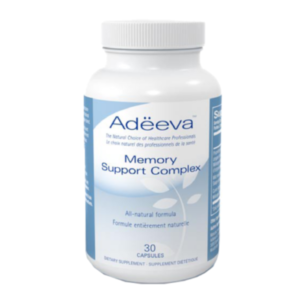
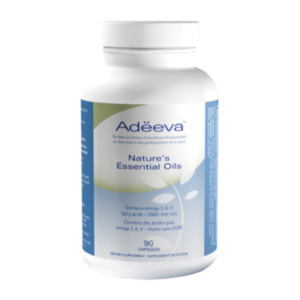
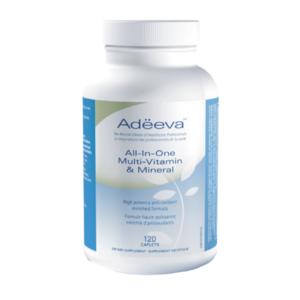
    The symphony extended to the realm of supplements—an ensemble that harmonized with longevity. A daily regimen, post-55, included lecithin, a high-potency multiple vitamin and mineral, essential fatty acids, and a memory support supplement featuring CDP-choline, Phosphatidylserine, Huperzine A, and Bacopa monnieri.

Beyond the Horizon: Nutritional Odyssey

  • Culmination of Wisdom: A Comprehensive Strategy
  • As the study on vitamin D unfolded, it beckoned us to appreciate the mosaic of prevention—an amalgamation of lifestyle choices, learning, exercise, and meticulous management of cholesterol, homocysteine, and blood pressure.

References:

  1. Ghahremani M. et al. [Vitamin D supplementation and the incident dementia: Effects of sex, APOE, and baseline cognitive status.](https://alz-journals.onlinelibrary.wiley.com/doi/full/10.1002/dad2.12404) Alzheimer’s & Dementia: Diagnosis, Assessment & Disease Monitoring. March 1, 2023.
  2. Taking vitamin D could help prevent dementia.[Neurosciencenews.com](https://neurosciencenews.com/vitamin-d-dementia-22684/)
  3. Mori K et al.[Improving effects of the mushroom Yamabushitaki (Hericium erinaceus) on mild cognitive impairments: a double-blind placebo-controlled clinical trial.](https://pubmed.ncbi.nlm.nih.gov/18844328/) Phytother Res. 2009; 23 (3): 367-72.
  4. Lei Feng, Irwin Kee-Mun Cheah, Maisie Mei-Xi Ng, Jialiang Li, Sue Mei Chan, Su Lin Lim, Rathi Mahendran, Ee-Heok Kua, Barry Halliwell. [The Association between Mushroom Consumption and Mild Cognitive Impairment: A Community-Based Cross-Sectional Study in Singapore.](https://doi.org/10.3233/JAD-180959) Journal of Alzheimer’s Disease, 2019.

Eat Smart, Live Well, Look Great,

Dr Meschino

Recommended Supplements
Dr. James Meschino

Dr. James Meschino

ABOUT THE AUTHOR

Dr. James Meschino, DC, MS, ROHP, is an educator, author, and researcher having lectured to thousands of healthcare professionals across North America. He holds a Master’s Degree in Science with specialties in human nutrition and biology and is recognized as an expert in the field of nutrition, anti-aging, fitness, and wellness as well as the author of numerous books.

Posted on

LMU 222 – Boosting Male Fertility: The Role of Antioxidant Supplements

Antioxidant Supplements Can Reverse Male Infertility Problems

Boosting Male Fertility: The Role of Antioxidant Supplements

Source: International Journal of Reproductive Biomedicine (2016)

Lifestyle Medicine Update (December 8, 2021)

Introduction:

Male infertility affects millions of couples worldwide, contributing to over 50% of infertility cases. Recent studies have revealed a promising solution: specific antioxidant supplements can reverse male infertility issues in a significant number of cases. This article explores the science behind this breakthrough and provides insights into safeguarding male reproductive health.

 The Troubling World of Male Infertility

Infertility, characterized by the inability to conceive despite regular, unprotected sexual intercourse for at least a year, poses a significant challenge for more than 70 million couples worldwide. Surprisingly, male factors account for at least half of all infertility cases. Various factors, including radiation exposure, smoking, varicocele, infections, environmental toxins, nutritional deficiencies, and oxidative stress, contribute to male infertility. This oxidative stress occurs when the production of reactive oxygen species (ROS) exceeds the body’s natural antioxidant defences, particularly in oxygen-dependent tissues like the testes and sperm cells within them.

Oxidative Stress and Male Fertility: A Damaging Duo

Sperm cells are particularly vulnerable to oxidative stress due to their outer membrane’s high content of polyunsaturated fatty acids (PUFAs). This vulnerability can lead to issues such as decreased sperm motility, DNA damage, and mitochondrial dysfunction, all of which are implicated in male infertility problems.

The Role of Antioxidants in Semen

Seminal fluid contains natural antioxidants, including vitamin E, vitamin C, superoxide dismutase, glutathione, and thioredoxin, which neutralize free radicals and protect sperm from ROS. However, infertile men often exhibit lower antioxidant capacity in their semen, leading to increased sperm damage and infertility.

Antioxidant Supplementation: A Promising Solution

A review paper published in the International Journal of Reproductive Biomedicine in December 2016 sheds light on clinical studies where antioxidant supplements have effectively reversed male infertility. For example, daily supplementation with vitamin C (200 mg) and vitamin E (200 IU) increased spontaneous pregnancy rates by over 10% in previously infertile men. These supplements also improved sperm motility, reduced free radical end products in seminal fluid, decreased DNA damage in sperm cells, and demonstrated other signs of enhanced sperm integrity.

Other Beneficial Supplements

In addition to vitamin C and vitamin E, minerals like zinc and selenium, as well as comprehensive vitamin and mineral supplements, have shown promise in improving sperm counts, motility, and integrity. Coenzyme Q10, N-acetylcysteine (NAC), and L-Carnitine have also demonstrated positive effects on sperm quality in various studies.

Guarding Against Testicular Cancer: A Compelling Bonus

Testicular cancer is a significant concern for men, with a lifetime risk of 1 in 250. This cancer, most common among males in their 30s, shares a susceptibility to free radical damage with sperm cells. This suggests a potential link between antioxidant supplementation and the prevention of testicular cancer.

The Need for Daily Supplementation

Considering the potential benefits for both fertility and testicular health, it’s advisable for males over the age of 15 to incorporate a high-potency multiple vitamin and mineral supplement into their daily routine. Such a supplement should provide 500-1000 mg of vitamin C, 400 IU of vitamin E, 200 mcg of selenium, 15 mg of zinc, a B-50 complex, and a full spectrum of other vitamins and minerals at optimal doses.

Conclusion: A Holistic Approach to Male Fertility

While many fertility clinics focus on the detrimental effects of smoking and alcohol on sperm quality, the positive impact of specific vitamin, mineral, and antioxidant supplements often goes overlooked. As research continues to unveil the potential of these supplements in enhancing sperm quality and reversing male infertility, incorporating them into one’s daily regimen becomes an appealing strategy for safeguarding reproductive health and overall well-being.

References

  1. Ahmadi S et al. “Antioxidant supplements and semen parameters: An evidence-based review.” Int J Reprod Biomed. 2016, 14(12): 729-736 [Link](https://www.ncbi.nlm.nih.gov/pmc/articles/PMC5203687/).
  1. Asadi N et al. “The impact of oxidative stress on testicular function and the role of antioxidants in improving it: A review.” J Clin Diagn Res. 2017, 11(5): IE01 – IE05 [Link](https://www.ncbi.nlm.nih.gov/pmc/articles/PMC5483704/).
 
Eat Smart, Live Well, Look Great,
 

Dr. Meschino

Dr. James Meschino

Dr. James Meschino

ABOUT THE AUTHOR

Dr. James Meschino, DC, MS, ROHP, is an educator, author, and researcher having lectured to thousands of healthcare professionals across North America. He holds a Master’s Degree in Science with specialties in human nutrition and biology and is recognized as an expert in the field of nutrition, anti-aging, fitness, and wellness as well as the author of numerous books.

Posted on

LMU 198 – Vitamin D Shines Bright in the Fight Against COVID-19: Latest Research Unveiled

LMU-198

Vitamin D Shines Bright in the Fight Against COVID-19: Latest Research Unveiled

Source: The Endocrine Society (March 21, 2021)

Lifestyle Medicine Update (April 8, 2021)

Introduction:

As the COVID-19 pandemic continues to shape our lives, researchers around the world are tirelessly seeking solutions to mitigate its impact. Among the contenders for an effective strategy is a familiar nutrient: vitamin D. In previous Lifestyle Medicine Updates, we explored the correlation between low vitamin D levels and severe COVID-19 outcomes. Building upon these findings, a recent study conducted in a Spanish hospital has shown promising results, emphasizing the potential protective role of vitamin D in COVID-19 cases.

The Lowdown on Vitamin D and COVID-19

Before diving into the latest research, let’s recap what we know so far. Studies have consistently pointed to a connection between low vitamin D blood levels and an increased susceptibility to severe COVID-19 outcomes, including death. Individuals with blood levels of vitamin D within the range of 80 to 140 nmol/L are less prone to severe complications.

The Spanish hospital study we’re about to delve into takes this understanding to the next level by investigating the impact of vitamin D supplementation on COVID-19 patients upon their hospital admission. The results are indeed compelling.

A Spanish Hospital Study: Shining Light on Vitamin D’s Role

In response to the pressing need for effective COVID-19 treatments, a Spanish hospital initiated a study to examine the effects of vitamin D supplementation in COVID-19 patients admitted to the hospital. The study aimed to determine whether vitamin D could reduce the likelihood of patients needing intensive care or succumbing to the virus.

Promising Findings

Presented at the annual Endocrine Society Annual Meeting on March 21, 2021, this groundbreaking study involved 124 adult patients with low vitamin D levels. Remarkably, these levels were assessed up to 90 days prior to their COVID-19 hospitalization. The researchers divided the patients into two groups: those who received weekly vitamin D supplementation of at least 1,000 units and those who did not receive any vitamin D supplements.

The results spoke volumes. Patients who received a weekly dose of at least 1,000 IU of vitamin D displayed a significantly lower risk of requiring mechanical ventilation or dying following their hospital admission for COVID-19.

A Silent Issue: The Lack of Vitamin D Recommendation

What’s even more eye-opening is the fact that over half of the patients with low vitamin D levels had not received recommendations from their healthcare providers to take vitamin D supplements. This oversight, in the words of Dr. Chekuri, a coauthor of the study from Albert Einstein College of Medicine in New York, is “highly relevant right now,” given the widespread prevalence of vitamin D deficiency globally.

Dr. Corinne Levitus, another co-author of the study, underscores the significance of these findings by stating that she hopes “this research will encourage clinicians to discuss adding this supplement (vitamin D) with their patients who have low vitamin D, as this may reduce the odds of people developing severe COVID-19.”

The Takeaway: Bolstering Immunity with Vitamin D

As the evidence continues to mount, it becomes increasingly clear that maintaining optimal vitamin D levels is vital for robust immune support. To reap the benefits, most individuals should target a blood vitamin D level between 80 and 140 nmol/L (32 to 56 ng/mL). Achieving this often necessitates daily supplementation with at least 1,000 IU of vitamin D.

In the ongoing battle against COVID-19, vitamin D emerges as a potent ally, offering potential protection and better outcomes. As research continues to unfold, ensuring that our bodies have an adequate supply of this essential nutrient becomes a simple yet pivotal step in safeguarding our health.

Reference

[Read more here](https://www.sciencedaily.com/releases/2021/03/210321215452.htm)

Eat Smart, Live Well, Look Great,

Dr. Meschino

Dr. James Meschino

Dr. James Meschino

ABOUT THE AUTHOR

Dr. James Meschino, DC, MS, ROHP, is an educator, author, and researcher having lectured to thousands of healthcare professionals across North America. He holds a Master’s Degree in Science with specialties in human nutrition and biology and is recognized as an expert in the field of nutrition, anti-aging, fitness, and wellness as well as the author of numerous books.

Posted on

LMU – 174 Unlocking the Power of Supplements: Battling Non-Alcoholic Fatty Liver Disease (NAFLD)

LMU-174

LMU – 174 Unlocking the Power of Supplements: Battling Non-Alcoholic Fatty Liver Disease (NAFLD)

Sources: Diseases (2018); Antioxidants (2018); Diseases (2018)

Lifestyle Medicine Update (September 24, 2020)

Introduction:

Non-Alcoholic Fatty Liver Disease (NAFLD) is silently spreading its roots, affecting an increasing number of individuals in our society. Once thought to primarily afflict overweight and obese individuals, NAFLD is now making inroads into the lives of non-overweight individuals, thanks in large part to dietary choices and sedentary lifestyles. In this article, we will explore the insidious nature of NAFLD and delve into the science behind dietary supplements that have shown promise in reversing this condition.

Understanding NAFLD: A Hidden Threat

NAFLD, a condition not linked to excessive alcohol consumption, is often characterized by elevated triglyceride levels and liver enzyme readings in standard blood tests following a 12-hour fast. It poses a grave risk as it can progress to liver fibrosis and cirrhosis, a life-threatening condition. Moreover, individuals with NAFLD face an elevated risk of developing primary liver cancer, specifically hepatocellular carcinoma. Early identification of NAFLD is critical, as it can be reversed through dietary and lifestyle changes, whereas no pharmaceutical drugs currently offer effective treatment. The key to managing NAFLD lies in lifestyle modifications.

The Role of Supplements in NAFLD Reversal

In addition to dietary alterations and increased endurance activities, several nutritional supplements have displayed remarkable efficacy in reversing NAFLD, based on human studies. Here, we will examine these supplements and their recommended dosages.

  1.  Milk Thistle: The Herb that Heals
  2. Milk thistle, an herb with potent liver-protective properties, has taken center stage as a promising supplement for NAFLD reversal. Multiple randomized human studies have showcased its effectiveness when standardized to high silymarin content, the herb’s active ingredient. Typically, a minimum daily dosage of 210 mg of silymarin is recommended.

  3. Green Tea Extract: Harnessing the Power of EGCG
  4. Green tea extract, particularly rich in epigallocatechin-3-gallate (EGCG), has emerged as another formidable player in combatting NAFLD. Various studies have demonstrated its ability to reverse key aspects of the disease with a daily dosage of 500 mg of green tea extract.

  5. Curcumin: The Golden Spice’s Healing Touch
  6. Curcumin, derived from the spice turmeric, has garnered attention for its potential in NAFLD reversal. Studies employing a daily dose of 1,000 mg of curcumin have reported positive outcomes in countering NAFLD.

  7. Fish Oil: The Omega-3 Savior
  8. Fish oil, rich in omega-3 fatty acids, has demonstrated its ability to improve NAFLD when taken at a daily dosage of 1,000 mg.

  9. Coenzyme Q10: Fuelling Cellular Health
  10. Coenzyme Q10, a vital compound for cellular energy production, has shown promise in reversing NAFLD. While animal studies support its effectiveness, one blinded human study reported beneficial results with a daily dose of 100 mg.

  11. Vitamin E: A Shield Against NAFLD
  12. Vitamin E, a potent antioxidant, has also shown promise in addressing NAFLD. A typical daily dosage of 800 IU is recommended. However, it’s worth noting that current guidelines advise against using vitamin E to treat NAFLD in patients with concurrent diabetes.

A Complementary Approach to NAFLD Management

A prudent approach to leveraging these supplements in the complementary management of NAFLD would involve incorporating milk thistle, green tea extract, fish oil, and curcumin. In cases where diabetes is not a concern, the use of 800 IU of vitamin E can also be considered. However, it’s imperative to remember that individual cases vary, necessitating consultation with a healthcare professional before incorporating these supplements. It’s essential to underscore that supplements should complement, not replace, dietary and physical activity strategies proven to prevent and reverse NAFLD.

Conclusion: A Multi-Faceted Approach to NAFLD

As we navigate the rising tide of NAFLD cases, the integration of supplements into a holistic approach can provide valuable support in the battle against this stealthy condition. However, the foundation for NAFLD management remains rooted in lifestyle changes that prioritize dietary modifications and increased physical activity. These combined efforts offer a potent defence against NAFLD, its potential progression to more severe conditions, and the associated health risks.

References

  1. Perumpail BJ et al. Potential therapeutic benefits of herbs and supplements in patients with NAFLD (non-alcoholic fatty liver degeneration). *Disorders. 2018; 6(3):80.*                                                                                                                                                                                            [Read more](https://www.ncbi.nlm.nih.gov/pmc/articles/PMC6165515/)
  2. El Hadi H et al. Vitamin E as a treatment for non-alcoholic fatty liver disease: Reality or Myth? *Antioxidants (Basel). 2018; 7(1):12.*      [Read more](https://www.ncbi.nlm.nih.gov/pmc/articles/PMC5789322/)
  3. Perrumpail BJ et al. The role of vitamin E in the treatment of NAFLD. *Disorders. 2018; 6(4):86.*                                                                              [Read more](https://www.ncbi.nlm.nih.gov/pmc/articles/PMC6313719/)

Eat Smart, Live Well, Look Great,

Dr. James Meschino

Dr. James Meschino

Dr. James Meschino

ABOUT THE AUTHOR

Dr. James Meschino, DC, MS, ROHP, is an educator, author, and researcher having lectured to thousands of healthcare professionals across North America. He holds a Master’s Degree in Science with specialties in human nutrition and biology and is recognized as an expert in the field of nutrition, anti-aging, fitness, and wellness as well as the author of numerous books.

Posted on

LMU 136 – Unlocking Relief: Curcumin’s Promise for Osteoarthritis Pain

LMU-136

LMU 136 – Unlocking Relief: Curcumin's Promise for Osteoarthritis Pain

Source: Journal “Nutrients” (2019)

Lifestyle Medicine Update (July 19, 2019)

Introduction:

In the realm of joint healthosteoarthritis emerges as a relentless foe that targets the knees and hips with unrelenting pain, swelling, and stiffness. The aftermath of this battle often robs individuals of mobility and the joy of physical activities. While anti-inflammatory drugs have traditionally taken the spotlight in combating this ailment, a new contender steps onto the stage—a natural hero named curcumin. Embracing the fight against osteoarthritis, curcumin offers a beacon of hope, ushering in relief without the harsh side effects that plague conventional treatments.

Beyond the Pill: The Pursuit of Natural Relief

As the tide turns towards nature’s embrace, researchers embark on a quest for alternatives—agents that can quell osteoarthritis symptoms without the toll of adverse effects. A standout amongst these contenders is curcumin, an ingredient hailing from the vibrant tapestry of turmeric. Encompassing a lineage of natural anti-inflammatory prowess, curcumin steps into the limelight, carrying the promise of reduced pain, swelling, and stiffness for those grappling with osteoarthritis.

Curcumin’s Resounding Triumph: Human Clinical Studies Speak

Resonating through the annals of clinical science, curcumin’s triumph emerges through twelve human clinical studies—a testament to its profound anti-inflammatory impact. As the spotlight shines on these studies, a symphony of relief unfolds, orchestrating the alleviation of osteoarthritis symptoms and unveiling an improved quality of life for patients. This revelation raises curcumin to the ranks of pharmaceutical giants like ibuprofen and diclofenac (Voltaren)—a natural counterpart in the pursuit of relief.

A Symphony of Healing: Curcumin’s Mechanism of Action

Curcumin’s healing symphony unfolds through a two-fold melody. First, it targets Nuclear Factor – kappa beta (NFk-beta)—a conductor orchestrating the cacophony of inflammation and osteoarthritis. By tempering NFk-beta’s fervor, curcumin quells the flames of inflammation that ravage joints. Secondly, curcumin halts the release of inflammatory cytokines, and deftly blocks enzymes (phospholipase A2 and lipoxygenase) that kindle the fiery process, both in osteoarthritis and autoimmune joint afflictions like rheumatoid arthritis.

Embracing Curcumin’s Potential: The Pathway to Relief

For those seeking solace in curcumin’s embrace, a clear pathway emerges—a dosage of 1,000 -1,200 mg per day, divided into smaller portions such as 400 mg thrice daily. The key to curcumin’s efficacy lies in its absorption, best harnessed when accompanied by food—preferably food containing some fat. This journey hinges on the choice of curcumin supplement, spotlighting a grade of 90% curcumin, derived from the Indian treasure trove of turmeric. With these navigational stars in place, curcumin becomes a beacon of potential for those yearning for relief.

A Glimpse into the Future: The Healing Touch of Curcumin

Embarking on this journey, curcumin emerges as a healing touch, offering relief from the clutches of osteoarthritis. Personal anecdotes echo the sentiment as curcumin, along with its natural allies, enacts a tale of reduced swelling, pain, and stiffness amongst arthritic patients. If you find yourself in the grip of arthritis, curcumin’s promise may beckon—a partner in your treatment journey, with the caveat of consulting your doctor.

Conclusion: Curcumin’s Ode to Relief

As the curtain falls on the realm of osteoarthritis, curcumin’s symphony of relief resounds—a melodic overture that promises an alternative to traditional treatments. Amidst the pages of clinical studies and patient experiences, curcumin’s role unfurls—a natural ally in the battle against inflammation, pain, and stiffness. In the quest for osteoarthritis relief, curcumin emerges as a beacon—a bridge between nature’s healing embrace and the search for a life unburdened by the shackles of pain.

References:

Journal Nutrients (2019): [Link](https://www.ncbi.nlm.nih.gov/pubmed/31052496)
Journal of Medicinal Food (2016) [Link](https://www.ncbi.nlm.nih.gov/pmc/articles/PMC5003001/)


Eat Smart, Live Well, Look Great,

Dr. Meschino

Introduction:

In the realm of joint health, osteoarthritis emerges as a relentless foe that targets the knees and hips with unrelenting pain, swelling, and stiffness. The aftermath of this battle often robs individuals of mobility and the joy of physical activities. While anti-inflammatory drugs have traditionally taken the spotlight in combating this ailment, a new contender steps onto the stage—a natural hero named curcumin. Embracing the fight against osteoarthritis, curcumin offers a beacon of hope, ushering in relief without the harsh side effects that plague conventional treatments.

Beyond the Pill: The Pursuit of Natural Relief 

As the tide turns towards nature’s embrace, researchers embark on a quest for alternatives—agents that can quell osteoarthritis symptoms without the toll of adverse effects. A standout amongst these contenders is curcumin, an ingredient hailing from the vibrant tapestry of turmeric. Encompassing a lineage of natural anti-inflammatory prowess, curcumin steps into the limelight, carrying the promise of reduced pain, swelling, and stiffness for those grappling with osteoarthritis.

Curcumin’s Resounding Triumph: Human Clinical Studies Speak

Resonating through the annals of clinical science, curcumin’s triumph emerges through twelve human clinical studies—a testament to its profound anti-inflammatory impact. As the spotlight shines on these studies, a symphony of relief unfolds, orchestrating the alleviation of osteoarthritis symptoms and unveiling an improved quality of life for patients. This revelation raises curcumin to the ranks of pharmaceutical giants like ibuprofen and diclofenac (Voltaren)—a natural counterpart in the pursuit of relief.

A Symphony of Healing: Curcumin’s Mechanism of Action

Curcumin’s healing symphony unfolds through a two-fold melody. First, it targets Nuclear Factor – kappa beta (NFk-beta)—a conductor orchestrating the cacophony of inflammation and osteoarthritis. By tempering NFk-beta’s fervor, curcumin quells the flames of inflammation that ravage joints. Secondly, curcumin halts the release of inflammatory cytokines, and deftly blocks enzymes (phospholipase A2 and lipoxygenase) that kindle the fiery process, both in osteoarthritis and autoimmune joint afflictions like rheumatoid arthritis. 

Embracing Curcumin’s Potential: The Pathway to Relief

For those seeking solace in curcumin’s embrace, a clear pathway emerges—a dosage of 1,000 -1,200 mg per day, divided into smaller portions such as 400 mg thrice daily. The key to curcumin’s efficacy lies in its absorption, best harnessed when accompanied by food—preferably food containing some fat. This journey hinges on the choice of curcumin supplement, spotlighting a grade of 90% curcumin, derived from the Indian treasure trove of turmeric. With these navigational stars in place, curcumin becomes a beacon of potential for those yearning for relief.

A Glimpse into the Future: The Healing Touch of Curcumin

Embarking on this journey, curcumin emerges as a healing touch, offering relief from the clutches of osteoarthritis. Personal anecdotes echo the sentiment as curcumin, along with its natural allies, enacts a tale of reduced swelling, pain, and stiffness amongst arthritic patients. If you find yourself in the grip of arthritis, curcumin’s promise may beckon—a partner in your treatment journey, with the caveat of consulting your doctor.

Conclusion: Curcumin’s Ode to Relief

As the curtain falls on the realm of osteoarthritis, curcumin’s symphony of relief resounds—a melodic overture that promises an alternative to traditional treatments. Amidst the pages of clinical studies and patient experiences, curcumin’s role unfurls—a natural ally in the battle against inflammation, pain, and stiffness. In the quest for osteoarthritis relief, curcumin emerges as a beacon—a bridge between nature’s healing embrace and the search for a life unburdened by the shackles of pain.

References:

  1. Journal Nutrients (2019): [Link](https://www.ncbi.nlm.nih.gov/pubmed/31052496)
  2. Journal of Medicinal Food (2016) [Link](https://www.ncbi.nlm.nih.gov/pmc/articles/PMC5003001/)

Eat Smart, Live Well, Look Great,

Dr. Meschino

Dr. James Meschino

Dr. James Meschino

ABOUT THE AUTHOR

Dr. James Meschino, DC, MS, ROHP, is an educator, author, and researcher having lectured to thousands of healthcare professionals across North America. He holds a Master’s Degree in Science with specialties in human nutrition and biology and is recognized as an expert in the field of nutrition, anti-aging, fitness, and wellness as well as the author of numerous books.

Posted on

LMU 121 – Alpha-Lipoic Acid: A Promising Supplement for Managing Diabetic Neuropathy

LMU-121

LMU 121 – Alpha-Lipoic Acid: A Promising Supplement for Managing Diabetic Neuropathy

Source: American Journal of Clinical Nutrition (January, 2016)

Lifestyle Medicine Update (March 8, 2019)

Introduction

Diabetes, a chronic metabolic disorder affecting millions worldwide, presents a host of complications that significantly reduce the quality of life for those afflicted. One of the most distressing complications is diabetic neuropathy, a condition that affects around a third of diabetics and manifests as symmetrical sensorimotor polyneuropathy (DSPN). DSPN not only impairs the daily lives of those affected but also increases the risk of severe consequences such as foot or leg amputations and mortality. The symptoms of diabetic neuropathy, including persistent pins and needles sensations, loss of sensation, imbalance, muscle weakness, and Charcot’s foot, paint a picture of the considerable burden this condition poses. Despite the plethora of available treatments and lifestyle adjustments, the progression of diabetic neuropathy often remains unhindered, sparking a fervent search for novel solutions to combat its devastating effects.

The Quest for Effective Solutions

Conventional treatments for diabetic neuropathy, encompassing medications, nutritional interventions, and lifestyle modifications, along with the management of cardiovascular risk factors, have struggled to comprehensively address the issue. This shortcoming has inspired researchers to explore innovative agents capable of halting, stabilizing, or even reversing the course of diabetic neuropathy in patients. Amidst this pursuit, a breakthrough surfaced, demonstrating the potential of a supplement that holds promise in transforming the landscape of diabetic neuropathy management.

The Alpha-Lipoic Acid Revelation

In the March 2019 issue of the esteemed journal “Diabetic Care,” a research paper showcased a remarkable discovery in the field of diabetic neuropathy treatment. The study, which stands as a milestone in the endeavor to combat neuropathy, highlighted the substantial benefits of a daily supplement—alpha-lipoic acid (ALA)—in patients grappling with neuropathy complications. While prior investigations had suggested the efficacy of ALA in managing diabetic neuropathy, this study marked the first long-term inquiry into its potential.

Conducted as a multicentred, randomized double-blind, placebo-controlled trial, the research engaged 460 diabetic patients exhibiting mild-to-moderate neuropathy symptoms. Half of the participants received a daily dosage of 600 mg ALA supplement, while the remaining half ingested a placebo pill. Over the course of four years, the outcomes painted a clear and encouraging picture: the ALA group displayed a reversal of muscular weakness and other neuropathy-related issues, in stark contrast to the placebo group’s continued deterioration.

Unravelling the Mechanism of ALA’s Success

The question that naturally arises is, how does alpha-lipoic acid bring about such impressive results? This antioxidant powerhouse, when administered at a sufficient dosage of 600 mg per day, wields the ability to enhance blood flow to nerve fibers. This augmented circulation empowers nerve fibers to access a heightened supply of oxygen and nutrients from the bloodstream, a critical factor in impeding the progression of neuropathy. Furthermore, the reparative capacity of damaged nerve fibers receives a boost, contributing to a certain degree of self-repair.

ALA’s impact transcends its role as an antioxidant. It exhibits anti-inflammatory properties, curbing inflammation within both blood vessels and nerve fibers. Additionally, this supplement has demonstrated its prowess in regulating blood sugar (glucose) levels in diabetic patients. The culmination of these multifaceted effects collectively contributes to the positive outcomes observed in patients integrating ALA into their neuropathy management regimen.

Promising Conclusion and Future Implications

In the words of the researchers, “four-year treatment with ALA in mild-to-moderate symmetrical neuropathy (DSPN) resulted in a clinically meaningful improvement and prevention of progression of neuropathic impairments and was well tolerated.” This assertion underscores the profound potential of ALA in alleviating the burdensome impact of diabetic neuropathy, all while eliciting minimal side effects. The study even indicated a lower mortality rate among patients receiving ALA treatment compared to those in the placebo group, further highlighting the potential life-saving implications of this intervention.

Accessible Solution on the Horizon

A noteworthy aspect of this revelation lies in the accessibility of the solution. Alpha-lipoic acid is an over-the-counter supplement readily available in various drugstores and health food outlets. This accessibility, coupled with the substantial positive impact exhibited by the study, accentuates the importance of disseminating this information to diabetic patients worldwide. Engaging in a conversation with their healthcare providers about this groundbreaking research can empower patients to make informed decisions that might redefine the trajectory of their neuropathy management.

Conclusion

The battle against diabetic neuropathy—a menacing adversary that compromises the lives of countless individuals—has witnessed a significant breakthrough in the form of alpha-lipoic acid supplementation. The four-year study published in “Diabetic Care” stands as a beacon of hope, illuminating a path toward improved neuropathy management and prevention. By unravelling the mechanism behind ALA’s success and highlighting its accessibility, this research invites diabetics to explore a novel avenue that promises to transform their experience with neuropathy. As this revelation ripples through medical discourse and patient communities, it is poised to rewrite the narrative of diabetic neuropathy, offering a glimmer of optimism amidst the challenges posed by this debilitating complication.

Reference:

Ziegler D et al. Efficacy and safety of antioxidant treatment with alpha-lipoic acid over 4-years in diabetic polyneuropathy. *Diabetic Care*. 2019, 42 (3): 2054-2060.
[Link](http://care.diabetesjournals.org/content/34/9/2054)

Eat Smart, Live Well, Look Great,

Dr. Meschino

Dr. James Meschino

Dr. James Meschino

ABOUT THE AUTHOR

Dr. James Meschino, DC, MS, ROHP, is an educator, author, and researcher having lectured to thousands of healthcare professionals across North America. He holds a Master’s Degree in Science with specialties in human nutrition and biology and is recognized as an expert in the field of nutrition, anti-aging, fitness, and wellness as well as the author of numerous books.

Posted on

LMU 116 – Herbs and Autoimmune Disease Flare-ups

LMU-116

LMU 116 – Navigating Immune Modulation: A Delicate Balancing Act for Autoimmune Warriors

Source: Archives Dermatology (2004); Journal Gastroenterology Medicine & Research (2018)

Lifestyle Medicine Update (January 16, 2019)

Introduction:

The body’s immune system, a vigilant guardian against invaders, sometimes needs a little fine-tuning. Nature, in its wisdom, has bestowed upon us a repertoire of natural supplements and foods that possess the remarkable ability to modulate our immune function. The spotlight often falls on medical mushrooms like reishi, shiitake, and maitake—potent agents celebrated for their capacity to function as biological response modulators. In a symphony of health, they can bolster a weakened immune system or, conversely, pacify an overactive one.

The Enigma of Autoimmune Diseases

As we tread into the realm of immune modulation, a complex question emerges—do these immune-balancing treasures hold promise for individuals grappling with autoimmune diseases? These diseases, from rheumatoid arthritis to lupus, reveal a peculiar irony. The immune system, typically a stalwart protector, goes awry, attacking the body’s own tissues—joints, lungs, kidneys, and more. Inflammation sets in, and the delicate balance of bodily harmony is disrupted, with dire consequences. The big question looms—can immune modulators be a beacon of hope or a trigger of turmoil for those ensnared by autoimmune diseases?

A Tangle of Evidence: Immune-Modulating Foods and Autoimmunity

In the annals of medical exploration, a pivotal inquiry remains unanswered. Can immune-modulating foods and supplements, hailed for their adeptness at balancing immune responses, befriend individuals waging war against autoimmune diseases? The conundrum lies in the very essence of autoimmune disorders—a hyperactive immune system wreaking havoc within. The thought of amplifying immune function in such cases seems counterintuitive. But intriguingly, the realm of literature is bereft of instances where dietary supplements or immune-modulating foods have been the culprits behind the aggravation or ignition of autoimmune diseases.

Unearthing Clues: A Glimpse into Case Reports

The pages of medical journals have witnessed the emergence of case reports that illuminate the intersection of immune-stimulating supplements and autoimmune conditions. In 2004, the spotlight turned to Echinacea, a popular immune-stimulating supplement, which was implicated in fuelling flare-ups of a rare autoimmune condition known as pemphigus vulgaris—a tormentor that blankets the skin and mucous membranes with blistering agony. Another instance saw the algae Spirulina platensis entwined in a similar narrative, unleashing a cascade of chaos in the form of pemphigus vulgaris. The stage witnessed yet another entrant—Aphanizomenon flos-aquae, an algae that cast its shadow over dermatomyositis, an autoimmune malady characterized by muscle weakness and inflamed muscles. The year 2018 cast a spotlight on autoimmune hepatitis, where rare herbal agents danced on the edges of liver inflammation and injury, underlining the potential of certain herbs to induce liver harm.

A Whisper of Caution: Autoimmune Terrain and Immune Modulators

As the puzzle pieces fall into place, a poignant message emerges—individuals ensnared by autoimmune conditions tread a delicate path when contemplating the embrace of supplements or foods adorned with immune-stimulating cloaks. The dilemma unfurls as we peer into the story of Echinacea, a beloved elixir for the common cold. While many revel in its immune-boosting prowess, the enchantment may falter for the one in five Americans harboring autoimmune diseases. The act of enhancing immune function, a boon for some, might awaken the sleeping beast within, triggering a surge in the ferocity of their condition.

The Enigma Unveiled: Immune-Modulating Agents and Autoimmunity

Amidst the patchwork of evidence, a paradoxical truth becomes known. Over the past two decades, the instances of immune-modulating herbs or foods unfurling autoimmune upheaval remain but whispers—a rarity in the realm of dietary exploration. As we gaze at this mosaic of findings, a ray of encouragement pierces through. The reports are indeed very rare, offering solace to the legion of supplement users. While the odds appear reassuringly low, the narratives of caution reverberate in the corridors of our awareness.

Epilogue: A Tale of Vigilance and Choice

The narrative of immune modulation unfurls as a tapestry woven with threads of promise and prudence. The connection between dietary choices and autoimmune conditions impels us to tread mindfully. With every supplement swallowed and every choice made at the table, the stakes are high. The dance of the immune system, an intricate choreography within, beckons us to honor its rhythms. As we journey through the labyrinth of immune modulation, let the tales of caution and curiosity guide our steps, cultivating a tapestry of well-being.

References:

1. 3 Case Reports: Arch Dermatol June 2004: [Read the reports here](https://jamanetwork.com/journals/jamadermatology/fullarticle/480602)

2. Autoimmune hepatitis (Journal of Gastroenterology Medicine & Research 2018): [Read the study here](https://crimsonpublishers.com/gmr/pdf/GMR.000509.pdf)

 Eat Smart, Live Well, Look Great,

Dr. Meschino

Dr. James Meschino

Dr. James Meschino

ABOUT THE AUTHOR

Dr. James Meschino, DC, MS, ROHP, is an educator, author, and researcher having lectured to thousands of healthcare professionals across North America. He holds a Master’s Degree in Science with specialties in human nutrition and biology and is recognized as an expert in the field of nutrition, anti-aging, fitness, and wellness as well as the author of numerous books.

Posted on

LMU 88 – Unlocking the Fountain of Youth: CoQ10’s Remarkable Impact on Vascular Health

LMU-88

LMU 88 – Unlocking the Fountain of Youth: CoQ10's Remarkable Impact on Vascular Health

Source: American Heart Association Journal “Hypertension” (April 2018)

Lifestyle Medicine Update (April 27, 2018)

Introduction

The intricate dance between antioxidants and heart health has long captivated the world of scientific inquiry. As researchers weave together the threads of experimental studies and human observations, a tantalizing narrative unfolds—one that hints at the potential of antioxidants to mitigate heart attacks and cardiovascular diseases. Among the roster of antioxidants, vitamin E, vitamin C, and beta-carotene emerge as key contenders, whispering promises of safeguarding against free radical damage to the notorious LDL-cholesterol, curbing its tendency to cling to artery walls and foster the perils of atherosclerosis.

The Heart of the Matter: Unravelling the Connection

Amid the cacophony of studies and speculations, the enigmatic role of antioxidant supplementation in the realm of heart disease has yet to find its definitive voice. A puzzle of perplexities prevails, leaving lingering doubts about the efficacy of these supplements as a shield against heart ailments. However, a beacon of hope emerges from the annals of research—a beacon that goes by the name of Coenzyme Q10 (CoQ10).

The Turning Point: CoQ10’s Remarkable Reversal

In April of 2018, the pages of the American Heart Association journal “Hypertension” bore witness to a groundbreaking study—a study that would forever alter our understanding of CoQ10’s potential. This study delved into the impact of the antioxidant supplement CoQ10 on vascular function in healthy older adults. The results were nothing short of astonishing—CoQ10, in its novel form known as MitoQ, effectuated a transformation that rewound the clock of vascular health by 15 to 20 years. A mere six weeks of daily supplementation at a dosage of 20 mg per day catalyzed this remarkable reversal, breathing new life into blood vessels and redefining the contours of cardiovascular vitality.

The Echoes of Transformation: Vascular Health Unveiled

As the study’s tapestry of data unfolds, a symphony of transformation echoes through the dilation of arteries—a 42 percent improvement that painted a portrait of blood vessels resembling those of individuals two decades younger. This symphony of change resonates with profound implications, heralding a 13 percent reduction in heart disease risk—a triumph that the study researcher, Dr. Rossman, emphasized. A curious dance of cause and effect unravelled, revealing that this improvement in vascular function stemmed from a reduction in oxidative stress—an exquisite balance achieved through quenching the flames of free radical damage.

The CoQ10 Enigma: Unveiling the Mechanism

As we venture deeper into the realm of CoQ10, its essence unfurls—an antioxidant that serves as a sentinel in the vicinity of the cell’s energy factory, the mitochondria. The mitochondria, a crucible of free radical generation, finds its counterbalance in CoQ10’s protective embrace—a balance that shifts as the sands of time erode CoQ10 synthesis within the body. As age advances, the capacity to quell free radicals wanes, unleashing a cascade of oxidative stress.

A Symphony of Preservation: CoQ10’s Multifaceted Power

The pages of research lay bare an arsenal of benefits that CoQ10 wields. Its legacy encompasses improved blood circulation within diabetic arteries, underpinned by heightened nitric oxide release from the artery wall. The very lining of arteries secretes nitric oxide, unfurling a symphony of dilation that safeguards against heart attacks and fortifies optimal circulation.

In the realm of Hypertension, researchers unveiled MitoQ, a novel form of CoQ10 that homes in on mitochondria. This innovation heralds the dawn of future studies that may illuminate even brighter avenues. As the curtain rises on the realm of anti-aging, CoQ10 emerges as a beacon—a recommendation of at least 30-60 mg per day, post the age of 40 or 45, a key to preserving cellular energy production and kindling antioxidant prowess. With its potential to thwart congestive heart failure, high blood pressure, and perhaps even Parkinson’s disease, CoQ10 stands as an ally in the quest for longevity and well-being.

Conclusion: A New Chapter in Cardiovascular Wellness

In the intricate realm of heart health, the story of CoQ10 continues to unfold, an evolving narrative that invites us to reimagine the potential of antioxidants in cardiovascular wellness. As the pages of research continue to turn, CoQ10’s legacy amplifies—an elixir that rekindles the flames of vascular vitality and adds a vibrant stroke to the canvas of life.

References

  1. Matthew J. Rossman, Jessica R. Santos-Parker, Chelsea A.C. Steward, Nina Z. Bispham, Lauren M. Cuevas, Hannah L. Rosenberg, Kayla A. Woodward, Michel Chonchol, Rachel A. Gioscia-Ryan, Michael P. Murphy, Douglas R. Seals. Chronic Supplementation With a Mitochondrial Antioxidant (MitoQ) Improves Vascular Function in Healthy Older Adults. Hypertension, 2018; HYPERTENSIONAHA. [DOI](https://doi.org/10.1161/HYPERTENSIONAHA.117.10787)
  2. [Link to CoQ10 research study] (https://link.springer.com/content/pdf/10.1007/s00125-001-0760-y.pdf)
  3. [Link to another CoQ10 research study] (https://www.ncbi.nlm.nih.gov/pmc/articles/PMC4939545/)
  4. [Link to CoQ10 research study] (https://www.ncbi.nlm.nih.gov/pubmed/15256611)

Eat Smart, Live Well, Look Great

Dr. Meschino

Dr. James Meschino

Dr. James Meschino

ABOUT THE AUTHOR

Dr. James Meschino, DC, MS, ROHP, is an educator, author, and researcher having lectured to thousands of healthcare professionals across North America. He holds a Master’s Degree in Science with specialties in human nutrition and biology and is recognized as an expert in the field of nutrition, anti-aging, fitness, and wellness as well as the author of numerous books.

Posted on

LMU 75 – Ashwagandha: A Natural Stress Buster

LMU-75

LMU 75 – Ashwagandha: A Natural Stress Buster

Source: Indian Journal of Psychological Medicine (2012)

Lifestyle Medicine Update

Introduction

In a modern world that often teeters on the edge of chaos, stress has emerged as an unwelcome companion, weaving its way into the fabric of our lives and impacting both mental and physical health. The escalating prevalence of mental health disorders and the confluence of stress with physical ailments like ulcers, high blood pressure, and heart disease attest to its formidable influence. However, amidst the challenges, a beacon of hope shines through a captivating study published in the Indian Journal of Psychological Medicine in 2012. This study unveils the remarkable potential of an adaptogen herb called “Ashwagandha” to alleviate stress, enhance well-being, and even mitigate key biological markers of stress in individuals burdened by its weight.

The Vicious Cycle of Stress

Stress, stemming from external physical or mental burdens, casts a shadow that can engulf us in feelings of turmoil, anxiety, and unease. Prolonged exposure to stress serves as a catalyst, triggering a cascade of unbalanced mental and physiological states. The consequences extend beyond the emotional realm, ushering in a host of conditions ranging from depression to high blood pressure, heart disease, and metabolic disorders such as diabetes. These ailments, with their roots in mental and emotional factors, are surging in prevalence, emerging as significant global health challenges. In the face of this crisis, a growing fraction of the population seeks solace through medical intervention, striving to conquer the shackles of stress.

The Trailblazing Study: Ashwagandha’s Triumph

At the heart of this narrative rests a groundbreaking randomized controlled study that enrolled 64 participants afflicted by chronic stress. This study, meticulously crafted, summoned clinical examinations and laboratory tests to discern the impact of supplementation with Ashwagandha, an adaptogen herb renowned for its stress-modulating properties. The study delved into the abyss of subjective feelings of stress, objective biochemical markers, and vital well-being assessments. Half of the participants were administered a supplement containing 300 mg of Ashwagandha root extract standardized to 5% withanolide content, while the other half received a placebo.

The Power of Ashwagandha: Transformation Unveiled

The study’s findings read like a tale of transformation. After 60 days, subjects embraced by Ashwagandha experienced a surge of improvement in various dimensions, eclipsing the placebo group:

  • Feelings of Anxiety
  • Insomnia
  • Depression
  • Social Dysfunction

Akin to an enchanting spell, Ashwagandha wove its magic, inciting a marked reduction in blood cortisol levels – a direct reflection of the body’s stress response. This study stood as a testament to Ashwagandha’s ability to enact a resolute stand against stress, bolstering self-assessed quality of life for its recipients.

The Cortisol Conquest: A 30% Reduction

Cortisol, the renowned stress hormone, yielded to Ashwagandha’s might. The study showcased a jaw-dropping 28% reduction in cortisol levels within the Ashwagandha group. In contrast, the placebo group registered a mere 8% reduction. This staggering 30% decrease in cortisol levels attests to the profound influence of Ashwagandha in curbing the body’s stress-driven cortisol surge.

Beyond Stress: The Multidimensional Impact

The significance of this cortisol reduction ripples through the landscape of health. Elevated cortisol levels, often associated with chronic stress, pave the way for a range of adverse consequences:

    • Weakened Immune System – Leaving the body vulnerable to infections and even cancer, possibly triggering autoimmune diseases.
    • Ulcer Development – Fuelling the development of ulcers.
    • Increased High Blood Sugar – Elevating blood sugar levels.
    • Heightened Inflammation – Exacerbating inflammation, a precursor to numerous health woes.

Embracing Ashwagandha: A Vital Component of Stress Management

Researchers concluded with an unequivocal assertion that high-concentration full-spectrum Ashwagandha root extract empowers individuals to defy stress, elevating self-assessed quality of life. This adaptogen herb emerges as a safe and effective intervention for adults besieged by stress’s grasp.

A Holistic Approach to Stress Management

While Ashwagandha’s prowess offers a beacon of hope, it stands as part of a larger tapestry in stress management. It complements a holistic approach that embraces diverse strategies such as aerobic exercise, meditation, yoga, progressive relaxation, psychotherapy, and stress management. However, the potent ability of adaptogen herbs like Ashwagandha to recalibrate cortisol levels is a crucial facet in the pursuit of comprehensive well-being.

Conclusion

Amidst the cacophony of modern life, Ashwagandha emerges as a silent hero, bestowing the gift of stress alleviation. This research mirrors the transformative potential of harnessing nature’s treasures to combat the crippling weight of stress. While not a panacea, Ashwagandha’s capacity to tame cortisol levels is an invaluable tool in the quest for holistic health.

References

    1. Chandrasekhar K, Kapoor J, Anishetty S. A Prospective, Randomized Double-Blind, Placebo-Controlled Study of Safety and Efficacy of a High-Concentration Full-Spectrum Extract of Ashwagandha Root in Reducing Stress and Anxiety in Adults. Indian Journal of Psychological Medicine. 2012;34(3):255-262.
Dr. James Meschino

Dr. James Meschino

ABOUT THE AUTHOR

Dr. James Meschino, DC, MS, ROHP, is an educator, author, and researcher having lectured to thousands of healthcare professionals across North America. He holds a Master’s Degree in Science with specialties in human nutrition and biology and is recognized as an expert in the field of nutrition, anti-aging, fitness, and wellness as well as the author of numerous books.

Posted on

LMU 21 – Supplements Proven to Enhance Efficacy of Antidepressant Medication

LMU-21

LMU 21 – Supplements Proven to Enhance Efficacy of Antidepressant Medication

Source: The American Journal of Psychiatry (June, 2016)

Lifestyle Medicine Update (August 23, 2016)

If you’ve ever suffered from depression or know someone who has, you’ll want to know about a study published in June, 2016, in The American Journal of Psychiatry. In recent years, a number of clinical trials have shown that taking certain supplements in conjunction with antidepressant drugs can actually enhance their efficacy and improve outcomes for patients suffering from depression.

This means, adding specific supplements to an antidepressant medicine regime has been shown to speed up recovery time, improve responses in patients who were not previously responding to medication, or provide a more complete recovery and/or reduced relapse rate. This is important because overall, just 30-40% of patients with major depression have only a partial response to the use of antidepressant drugs and psychotherapy treatment – when you factor in relapse rates.

In a combined effort, researchers from the University of Melbourne, and researchers from Harvard University, examined 40 clinical human trials worldwide, alongside a systematic review of the evidence, examining the use of supplements as an adjunct to the treatment of depression. After reviewing all the worldwide studies performed up to December, 2015, they published their findings in the June, 2016 issue of The American Journal of Psychiatry. What they publisehd was the discovery that current research supports the addition of certain supplements to antidepressant medication management of depression, as it can increase the effectiveness of antidepressants for people with clinical depression.

This was especially true for 4 specific supplements, including:

  1. Omega-3 fats from fish oil
  2. SAMe (S-adenosylmethionine)
  3. Methylfolate (a form of the B-vitamin folic acid)
  4. Vitamin D

Each of these supplements boost the effectiveness of antidepressant medication.The strongest evidence was for Omega-3 fats from fish oil. The brain requires Omega-3 fats to improve what’s known as brain fluidity. With improved brain fluidity, the receptors on brain cells can more easily receive signals from the “feel good” brain chemicals, like serotonin, dopamine and norepinephrine. Antidepressant drugs help the brain increase levels of these mood-enhancing chemicals but brain cells need to have sufficient fluidity for their receptors (or “antennae”) to receive the message from the mood-enhancers. If the brain hardens, which can result from eating too much saturated fat or trans-fats, or insufficient omega-3 fats, then the brain cell receptor system is much less effective.

So, Omega-3 fats have been shown to improve the effectiveness of antidepressant drugs by improving brain fluidity. Omega 3 fat supplementation also:

  • decreases brain inflammation,
  • improves blood flow through the brain’s blood vessel network,
  • and may help improve nerve conduction or electrical transmission (communication) between nerve cells.

Some studies also show that it may help block the build up of beta-amyloid plaque – a hallmark feature of Alzheimer’s disease. A number of studies suggest that a higher intake of Omega-3 fats help to reduce risk of Alzheimer’s disease.

For all these reasons, Omega-3 fat supplementation from fish oil is a supplement to strongly consider.

The supplements SAMe and Methylfolate work by helping the brain synthesize more of mood-enhancing chemicals like serotonin, dopamine and noradrenaline. Antidepressant drugs slow the breakdown of mood-enhancing drugs, but only certain supplements like SAMe and Methylfolate can actually help the brain synthesize more mood-enhancing chemicals.

As for Vitamin D, studies show that Vitamin D is required to help the brain make serotonin, which is the ultimate feel good brain chemical or neurotransmitter.

My point is, many doctors don’t read The American Journal of Psychiatry every month, and therefore may not see this ground-breaking review paper. If you suffer from depression, or have suffered from depression, you may want to forward a link to this research article to your doctor. Or, you may want to provide the link to a friend of family member who suffers from depression, so they can forward it to their doctor. Hopefully, your doctor, or their doctor, will review the evidence and recommend an established daily dosage of one or more of the supplements highlighted in this review as a means to increase the effectiveness of the prescribed antidepressant medication.

I’ve attached a link to the research article and review in the text below.

References:

1. Sarris, J., Murphy, J., Mischoulon, D., Papakostas, G.I., Fava, M., et al. Adjunctive Nutraceuticals for Depression: A systematic review and meta-analysis. American Journal of Psychiatry, 2016, Vol. 173, issue 6, pp: 575-587.http://ajp.psychiatryonline.org/doi/10.1176/appi.ajp.2016.15091228

2. https://www.sciencedaily.com/releases/2016/04/160426091725.htm


Eat Smart, Live Well, Look Great,

Dr. Meschino

If you’ve ever suffered from depression or know someone who has, you’ll want to know about a study published in June, 2016, in The American Journal of Psychiatry. In recent years, a number of clinical trials have shown that taking certain supplements in conjunction with antidepressant drugs can actually enhance their efficacy and improve outcomes for patients suffering from depression.

This means, adding specific supplements to an antidepressant medicine regime has been shown to speed up recovery time, improve responses in patients who were not previously responding to medication, or provide a more complete recovery and/or reduced relapse rate. This is important because overall, just 30-40% of patients with major depression have only a partial response to the use of antidepressant drugs and psychotherapy treatment – when you factor in relapse rates.

In a combined effort, researchers from the University of Melbourne, and researchers from Harvard University, examined 40 clinical human trials worldwide, alongside a systematic review of the evidence, examining the use of supplements as an adjunct to the treatment of depression. After reviewing all the worldwide studies performed up to December, 2015, they published their findings in the June, 2016 issue of The American Journal of Psychiatry. What they publisehd was the discovery that current research supports the addition of certain supplements to antidepressant medication management of depression, as it can increase the effectiveness of antidepressants for people with clinical depression.

This was especially true for 4 specific supplements, including:

  1. Omega-3 fats from fish oil
  2. SAMe (S-adenosylmethionine)
  3. Methylfolate (a form of the B-vitamin folic acid)
  4. Vitamin D

Each of these supplements boost the effectiveness of antidepressant medication.The strongest evidence was for Omega-3 fats from fish oil. The brain requires Omega-3 fats to improve what’s known as brain fluidity. With improved brain fluidity, the receptors on brain cells can more easily receive signals from the “feel good” brain chemicals, like serotonin, dopamine and norepinephrine. Antidepressant drugs help the brain increase levels of these mood-enhancing chemicals but brain cells need to have sufficient fluidity for their receptors (or “antennae”) to receive the message from the mood-enhancers. If the brain hardens, which can result from eating too much saturated fat or trans-fats, or insufficient omega-3 fats, then the brain cell receptor system is much less effective.

So, Omega-3 fats have been shown to improve the effectiveness of antidepressant drugs by improving brain fluidity. Omega-3 fat supplementation also:

  • decreases brain inflammation,
  • improves blood flow through the brain’s blood vessel network,
  • and may help improve nerve conduction or electrical transmission (communication) between nerve cells.

Some studies also show that it may help block the build up of beta-amyloid plaque – a hallmark feature of Alzheimer’s disease. A number of studies suggest that a higher intake of Omega-3 fats help to reduce risk of Alzheimer’s disease.

For all these reasons, Omega-3 fat supplementation from fish oil is a supplement to strongly consider.

The supplements SAMe and Methylfolate work by helping the brain synthesize more of mood-enhancing chemicals  like serotonin, dopamine and noradrenaline. Antidepressant drugs slow the breakdown of mood-enhancing drugs, but only certain supplements like SAMe and Methylfolate can actually help the brain synthesize more mood-enhancing chemicals.

As for Vitamin D, studies show that Vitamin D is required to help the brain make serotonin, which is the ultimate feel good brain chemical or neurotransmitter.

My point is, many doctors don’t read The American Journal of Psychiatry every month, and therefore may not see this ground-breaking review paper. If you suffer from depression, or have suffered from depression, you may want to forward a link to this research article to your doctor. Or, you may want to provide the link to a friend of family member who suffers from depression, so they can forward it to their doctor. Hopefully, your doctor, or their doctor, will review the evidence and recommend an established daily dosage of one or more of the supplements highlighted in this review as a means to increase the effectiveness of the prescribed antidepressant medication.

I’ve attached a link to the research article and review in the text below.

References:

1. Sarris, J., Murphy, J., Mischoulon, D., Papakostas, G.I., Fava, M., et al. Adjunctive Nutraceuticals for Depression: A systematic review and meta-analysis. American Journal of Psychiatry, 2016, Vol. 173, issue 6, pp: 575-587.http://ajp.psychiatryonline.org/doi/10.1176/appi.ajp.2016.15091228

2. https://www.sciencedaily.com/releases/2016/04/160426091725.htm

Eat Smart, Live Well, Look Great

Dr. Meschino

Dr. James Meschino

Dr. James Meschino

ABOUT THE AUTHOR

Dr. James Meschino, DC, MS, ROHP, is an educator, author, and researcher having lectured to thousands of healthcare professionals across North America. He holds a Master’s Degree in Science with specialties in human nutrition and biology and is recognized as an expert in the field of nutrition, anti-aging, fitness, and wellness as well as the author of numerous books.