Posted on

LMU 283 – Periodontal Disease Increases Risk of Heart Failure

LMU-283

Understanding the Connection Between Gum Disease and Heart Failure

Source: Journal of the American College of Cardiology (2022)

Lifestyle Medicine Update (April 11, 2023)

Introduction: Recognizing the Link

Gum disease, often underestimated, is now acknowledged as a significant contributor to heart failure risk. A pivotal 2022 study published in the Journal of the American College of Cardiology sheds light on this association, revealing a compelling correlation between periodontal disease and the likelihood of heart failure development.

Insights from the ARIC Study

Researchers conducted an extensive investigation involving nearly 7,000 participants aged approximately sixty-three, spanning from 1996 to 2018, as part of the Atherosclerosis Risk in Communities (ARIC) study. This study aimed to elucidate the relationship between periodontal disease and heart failure risk.

Periodontal Disease and Heart Health

While prior research has established links between gum disease and conditions like coronary artery disease, stroke, and diabetes, the 2022 study underscores the heightened risk of heart failure associated with periodontal disease. With heart failure already on the rise due to factors like aging, diabetes, obesity, and metabolic syndrome, identifying additional risk factors becomes crucial.

Oral Dysbiosis: A Contributing Factor

Periodontal disease, characterized by tissue destruction and oral microbial dysbiosis, emerges as a pivotal factor in heart failure risk. Dysbiosis, an imbalance of harmful and beneficial bacteria in the mouth, triggers inflammation and potentially harmful bacterial endotoxins, which can adversely affect heart and vascular health.

Bridging the Gap with Inflammatory Markers

Elevated inflammatory markers in the bloodstream, a hallmark of heart failure, are associated with oral dysbiosis and periodontal disease. Successful periodontal treatment and reversal of oral dysbiosis have been shown to reduce inflammation markers in the blood, such as C-reactive protein (CRP).

Prioritizing Oral Health for Heart Health

Maintaining good oral hygiene through regular dental check-ups, professional cleanings, and daily home care is critical for cardiovascular health maintenance. These measures not only prevent gum disease but also contribute to overall heart health, as evidenced by the findings of the 2022 ARIC study.

Supplementation for Heart Health

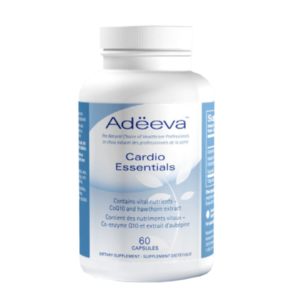
Supplementation with Coenzyme Q10 (CoQ10) and Hawthorn after middle age may offer additional support for heart health by optimizing heart function and potentially preventing and managing heart failure.

Conclusion: Adopting a Holistic Approach

Recognizing the intricate link between gum disease and heart failure underscores the importance of holistic health management. Prioritizing oral hygiene alongside dietary and lifestyle interventions significantly contributes to maintaining cardiovascular wellness and reducing the risk of heart failure.

Reference:

Mokinsky R.L. et al. “Periodontal status, C-reactive protein, NT-proBNP, and incident heart failure.” JACC Heart Fail. 2022;10(10):731-741. [Link](https://www.medscape.com/viewarticle/989492?ecd=wnl_recnlnew3_ous_230327_MSCPEDIT_&uac=342474MN&impID=5282701)


Eat Smart, Live Well, Look Great,


Dr. Meschino

Recommended Supplements
Dr. James Meschino

Dr. James Meschino

ABOUT THE AUTHOR

Dr. James Meschino, DC, MS, ROHP, is an educator, author, and researcher having lectured to thousands of healthcare professionals across North America. He holds a Master’s Degree in Science with specialties in human nutrition and biology and is recognized as an expert in the field of nutrition, anti-aging, fitness, and wellness as well as the author of numerous books.

Posted on

LMU 268 – Harnessing the Hidden Powers of Melatonin: A Multifaceted Elixir of Youth

LMU-268

Harnessing the Hidden Powers of Melatonin: A Multifaceted Elixir of Youth

Source: J Frontiers of Physiology (2020)

Lifestyle Medicine Update (December 14, 2022)

Introduction:

Melatonin, best known for regulating sleep, is a health superstar. Declining with age, melatonin affects sleep quality, making it a popular sleep aid. But its role extends beyond slumber; it’s a potent antioxidant, regulates blood pressure, and promotes fat burning. Melatonin modulates insulin, fights inflammation, and influences longevity genes. Research suggests supplementing melatonin around 40 may reduce age-related diseases, enhance immunity, aid weight loss, and protect the heart.

From Sleep Aid to Anti-Aging Superstar: Melatonin’s Surprising Journey

Melatonin, the hormone known for its role in regulating sleep patterns, has emerged as a star player in the world of health and longevity. As we age, melatonin levels decline, often resulting in poor sleep quality, making it a go-to sleep aid for many. In fact, melatonin supplements have skyrocketed in popularity, with use growing by over 500% in the last two decades, rising from a mere 0.4% of the population in 1999-2000 to 2.1% by 2017-2018 (source).

Yet, while many are familiar with melatonin’s sleep-enhancing qualities, few are aware of the myriad other health and longevity benefits it brings to the table. This humble hormone is more than a mere slumber aid – it doubles as a potent antioxidant that safeguards critical body tissues, including the heart and brain. It steps in as a guardian of blood pressure regulation and switches our metabolism into fat-burning mode. But the surprises don’t stop there. Melatonin even kicks our brown fat activity into high gear, helping us torch excess calories and radiate energy as heat (thermogenesis), a powerful defence against weight gain (source).

The Metabolic Marvel: Melatonin’s Role in Weight Management and More

Melatonin boasts a remarkable ability to favorably modulate insulin, leptin, and lipid secretions, all of which play a pivotal role in weight maintenance and the prevention of type 2 diabetes. It indirectly tames the release of inflammatory cytokines, a critical factor in managing age-related arthritic conditions. Furthermore, melatonin acts as an indirect stimulator for the synthesis of two vital antioxidants, glutathione and heme-oxygenase-1, shielding our tissues from free radical damage tied to aging and cancer. Notably, certain immune cells, prostate, and breast cells harbor melatonin receptors, and when triggered by melatonin, they thwart crucial steps in cancer development in the prostate and breast while boosting immune system function (source).

Melatonin’s Role in Weight Loss

In a 2014 study featuring 56 postmenopausal women, melatonin stepped into the spotlight once again. It was found that adding a 5 mg melatonin supplement to a standard weight loss diet led to significant weight loss improvements compared to the non-supplemented group. In just 16 weeks, participants experienced a noteworthy drop in BMI, plummeting from approximately 29 to 27, a substantial transformation. The researchers also cited evidence suggesting that reduced melatonin secretion during autumn and winter months could trigger increased appetite and lead to weight gain. This underscores the potential value of melatonin supplementation during the fall and winter, helping stave off unwanted weight gain (source).

Melatonin’s Protective Role in Heart Health

In a 2020 animal study featured in the journal “Frontiers of Physiology,” melatonin’s ability to prevent heart damage related to obesity was evident. Obese mice given melatonin supplementation exhibited less heart damage compared to their non-supplemented counterparts, who faced increased heart weight, heart hypertrophy, and elevated blood pressure. Notably, melatonin supplementation also shielded the heart muscle’s mitochondria (energy-producing powerhouses), reduced heart muscle inflammation, and activated the Sirtuin1 longevity gene. When switched on by melatonin, the Sirtuin1 enzymes acted as epigenetic switches, igniting fat-burning and blood sugar-regulating genes, blood pressure-regulating genes, antioxidant synthesis, mitochondria biogenesis, and inflammation-reducing genes (source).

A Fountain of Youth? Melatonin and Aging

The Sirtuin1 longevity gene awakened by melatonin is an essential element of the equation. It serves as an epigenetic switch that controls fat metabolism, blood pressure, antioxidant production, mitochondria health, and inflammation levels, acting as a sentinel against the aging process. In a 2017 report from the journal “Pineal Research,” melatonin’s ability to stimulate the Sirtuin1 longevity gene emerged as a crucial protector against aging, neurodegenerative conditions (such as Alzheimer’s and Parkinson’s), cancer, and a positive influencer of immune system function (source).

The Ageless Secret: Melatonin as an Anti-Aging Ally

In light of this wealth of research, it appears prudent to consider melatonin supplementation for general anti-aging purposes around the age of 40. This approach may help reduce the risk of a wide range of age-related diseases and bolster immune system function, thus fortifying defences against infections and cancer. Additionally, melatonin enhances fat-burning and elevates the efficacy of weight loss programs. It also holds the promise of preventing some of the heart damage commonly witnessed in overweight individuals, potentially reducing the risk of heart attacks and congestive heart failure – conditions often encountered in this high-risk group. Melatonin’s profound effects extend beyond just sleep quality. Its anti-aging properties, along with its role as an anti-inflammatory, antioxidant, immune modulator, and fat-burning agent, have made it a compelling candidate for those without sleep issues. Perhaps most significant is the revelation that melatonin supplementation activates key longevity genes, particularly Sirtuin-1, in recent scientific discoveries (source).

References:

  1. Sirtuin1 role in the melatonin protective effects against obesity-related heart injury. Frontiers of Physiology. March 11, 2020.
  2. Walecka-Kapica E et al. The effect of melatonin supplementation on the quality of sleep and weight status in postmenopausal women. Prz Menopauzlny. 2014; 13(6): 334-338.
  3. Mayo JJ.C. et al. Melatonin and sirtuins: A “not-so unexpected” relationship. J Pineal Research. January 21, 2017.
 
 
Eat Smart, Live Well, Look Great,
 

Dr. Meschino

Recommended Supplements

Dr. James Meschino

Dr. James Meschino

ABOUT THE AUTHOR

Dr. James Meschino, DC, MS, ROHP, is an educator, author, and researcher having lectured to thousands of healthcare professionals across North America. He holds a Master’s Degree in Science with specialties in human nutrition and biology and is recognized as an expert in the field of nutrition, anti-aging, fitness, and wellness as well as the author of numerous books.

Posted on

LMU 232 – Revealing the True Cost of Alcohol: Insights from the UK Biobank Study

LMU-232

Revealing the True Cost of Alcohol: Insights from the UK Biobank Study

Source: Journal Circulation (December 2021)

Lifestyle Medicine Update (February 22, 2022)

Introduction:

In the pursuit of understanding the impact of lifestyle choices on our health, researchers often turn to large-scale, long-term studies. The UK Biobank study, tracking a staggering 350,000 individuals over seven years, has illuminated a critical aspect of our well-being. In December 2021, findings from this extensive endeavor were published in the journal Circulation. This particular segment of the study scrutinized the intricate relationship between alcohol consumption and major cardiovascular events, such as heart attacks and strokes.

Setting the Scene: Units of Alcohol

Before delving into the study’s revelations, it’s essential to grasp the measure of alcohol consumption. In the UK, authorities have set a safe upper limit of 14 units of alcohol per week. To put this into perspective:

  • 10 ml of pure alcohol constitutes one unit.
  • A single beer equates to roughly 3 units of alcohol.
  • A standard glass of wine (175 ml) represents two units.
  • Fortified wines like sherry and ports, in a small glass, amount to one unit.
  • A typical serving of hard liquor contributes about 1.5 units.
  • As a general rule, it takes approximately one hour for the body to metabolize one unit of alcohol.

Unmasking the Risks: Study Findings

Now, let’s unveil the study’s key findings. Participants who adhered to the recommended safe limit of fewer than 14 units of alcohol per week faced a disconcerting revelation. For every 1.5 pints of beer consumed, they encountered a daunting 23% increased risk of experiencing a cardiovascular event. Dr. Rudolph Schutte, the lead author of the study, delivered some noteworthy insights:

  • Among drinkers of beer, cider, and hard liquor in particular, even those consuming under 14 units (of alcohol) a week had an increased risk of ending up in the hospital through a cardiovascular event involving the heart or the blood vessels.
  • While we hear much about wine drinkers having a lower risk of coronary artery disease, our data shows their risk of other cardiovascular events is not reduced.
  • Biases embedded in epidemiological evidence mask or underestimate the hazards associated with alcohol consumption. When these biases are accounted for, the adverse effects of even low-level alcohol consumption are revealed. The so-called J-shaped curve of the cardiovascular disease-alcohol consumption relationship suggesting health benefit from low to moderate alcohol consumption is the biggest myth since we were told smoking was good for us.

Beyond Cardiovascular Risks: The Sobering Reality

It’s essential to recognize that the perils of alcohol extend far beyond cardiovascular concerns. Alcohol is a well-established risk factor for eight of the most prevalent cancers in modern society, ranking as the second most significant cause of cancer, surpassed only by environmental factors associated with cigarette smoking. This revelation underscores the gravity of consuming even small to moderate amounts of alcohol on a regular basis.

Conclusion: A Sobering Perspective on Health

In pursuit of longevity and a healthy life expectancy, vigilance regarding alcohol consumption is paramount. Consideration should even be given to complete abstinence. The findings from the UK Biobank study and the associated health risks of alcohol are compelling reasons to reevaluate our relationship with this ubiquitous substance.

References:

  1. Rudolph Schutte, Lee Smith, Goya Wannamethee. Alcohol – The myth of cardiovascular protection. Clinical Nutrition, 2022; 41 (2): 348. [Read more](https://www.clinicalnutritionjournal.com/article/S0261-5614(21)00559-8/fulltext)
  2. Science Direct: Even light drinking can be harmful to health. [Read more](https://www.sciencedaily.com/releases/2022/01/220128100730.htm)

Eat Smart, Live Well, Look Great,
 

Dr. Meschino

Introduction:

In the pursuit of understanding the impact of lifestyle choices on our health, researchers often turn to large-scale, long-term studies. The UK Biobank study, tracking a staggering 350,000 individuals over seven years, has illuminated a critical aspect of our well-being. In December 2021, findings from this extensive endeavor were published in the journal Circulation. This particular segment of the study scrutinized the intricate relationship between alcohol consumption and major cardiovascular events, such as heart attacks and strokes.

Setting the Scene: Units of Alcohol

Before delving into the study’s revelations, it’s essential to grasp the measure of alcohol consumption. In the UK, authorities have set a safe upper limit of 14 units of alcohol per week. To put this into perspective:

  • 10 ml of pure alcohol constitutes one unit.
  • A single beer equates to roughly 3 units of alcohol.
  • A standard glass of wine (175 ml) represents two units.
  • Fortified wines like sherry and ports, in a small glass, amount to one unit.
  • A typical serving of hard liquor contributes about 1.5 units.
  • As a general rule, it takes approximately one hour for the body to metabolize one unit of alcohol.

Unmasking the Risks: Study Findings

Now, let’s unveil the study’s key findings. Participants who adhered to the recommended safe limit of fewer than 14 units of alcohol per week faced a disconcerting revelation. For every 1.5 pints of beer consumed, they encountered a daunting 23% increased risk of experiencing a cardiovascular event. Dr. Rudolph Schutte, the lead author of the study, delivered some noteworthy insights:

  • “Among drinkers of beer, cider, and hard liquor in particular, even those consuming under 14 units (of alcohol) a week had an increased risk of ending up in the hospital through a cardiovascular event involving the heart or the blood vessels.”
  • “While we hear much about wine drinkers having a lower risk of coronary artery disease, our data shows their risk of other cardiovascular events is not reduced.”
  • “Biases embedded in epidemiological evidence mask or underestimate the hazards associated with alcohol consumption. When these biases are accounted for, the adverse effects of even low-level alcohol consumption are revealed. The so-called J-shaped curve of the cardiovascular disease-alcohol consumption relationship suggesting health benefit from low to moderate alcohol consumption is the biggest myth since we were told smoking was good for us.”

Beyond Cardiovascular Risks: The Sobering Reality

It’s essential to recognize that the perils of alcohol extend far beyond cardiovascular concerns. Alcohol is a well-established risk factor for eight of the most prevalent cancers in modern society, ranking as the second most significant cause of cancer, surpassed only by environmental factors associated with cigarette smoking. This revelation underscores the gravity of consuming even small to moderate amounts of alcohol on a regular basis.

Conclusion: A Sobering Perspective on Health

In pursuit of longevity and a healthy life expectancy, vigilance regarding alcohol consumption is paramount. Consideration should even be given to complete abstinence. The findings from the UK Biobank study and the associated health risks of alcohol are compelling reasons to reevaluate our relationship with this ubiquitous substance.

References:

  1. Rudolph Schutte, Lee Smith, Goya Wannamethee. Alcohol – The myth of cardiovascular protection. Clinical Nutrition, 2022; 41 (2): 348. [Read more](https://www.clinicalnutritionjournal.com/article/S0261-5614(21)00559-8/fulltext)
  2. Science Direct: Even light drinking can be harmful to health. [Read more](https://www.sciencedaily.com/releases/2022/01/220128100730.htm)
 
Eat Smart, Live Well, Look Great,
 

Dr. Meschino

Dr. James Meschino

Dr. James Meschino

ABOUT THE AUTHOR

Dr. James Meschino, DC, MS, ROHP, is an educator, author, and researcher having lectured to thousands of healthcare professionals across North America. He holds a Master’s Degree in Science with specialties in human nutrition and biology and is recognized as an expert in the field of nutrition, anti-aging, fitness, and wellness as well as the author of numerous books.
Posted on

LMU – 181 The Power of Anti-Inflammatory Diets: Shielding Your Heart and Brain

LMU-181

LMU – 181 The Power of Anti-Inflammatory Diets: Shielding Your Heart and Brain

Source: Journal of the American College of Cardiology (Nov. 2020)

Lifestyle Medicine Update (November 14, 2020)

Introduction:

In the quest for a healthier, longer life, scientific research continues to reveal the profound impact of our dietary choices on our well-being. A groundbreaking study, published in the prestigious Journal of the American College of Cardiology in November 2020, unveiled startling insights into the link between what we eat and our heart health. This comprehensive investigation, tracking the lives of 210,000 individuals over an astounding 32 years, uncovered a remarkable finding: those who embraced an anti-inflammatory diet enjoyed a staggering 46% lower risk of developing heart disease and a significant 28% lower risk of experiencing a stroke.

The Silent Threat: Chronic Inflammation and Cardiovascular Disease

Chronic inflammation, a silent assassin lurking within our bodies, plays a pivotal role in the development of two of the leading causes of mortality worldwide—heart disease and stroke. It is an intricate web of inflammatory biomarkers, such as interleukins, chemokines, and adhesion molecules, that can pave the way for the early and late stages of atherosclerosis, the narrowing of arteries due to plaque buildup.

Connecting the Dots: Diet, Inflammation, and Health Outcomes

This landmark study embarked on a journey to connect the dots between dietary habits, inflammatory markers, and cardiovascular health. More than 200,000 participants were scrutinized, their diets dissected, and their health journeys meticulously tracked, including heart attacks, angina, and strokes. The results were unequivocal: those who regularly indulged in inflammation-promoting foods exhibited elevated inflammatory markers in their bloodstream and faced a significantly higher risk of heart disease and stroke.

Foods That Fan the Flames: Inflammation Promoters

Diving into the details, the study uncovered the culprits behind inflammation within our bodies. These dietary villains included:

  1. Red Meat: From succulent steaks to all-beef products, excessive red meat consumption emerged as a potent inflammation promoter.
  2. Processed Meats: The allure of processed meats like sausages and bacon can be irresistible, but they come at a cost to your heart health.
  3. Organ Meats: Liver and other organ meats, while rich in nutrients, can fan the flames of inflammation.
  4. Refined Sugars and Grains: White bread and sugary breakfast cereals, among others, were found to be contributors to inflammation.
  5. Fried Foods: The golden, crispy delight of fried foods can lead to golden opportunities for inflammation.
  6. Sugary Soft Drinks: These sugary delights can not only wreak havoc on your waistline but also stoke the fires of inflammation.

Nature’s Defenders: Foods That Tame Inflammation

On the flip side, the study shed light on foods that act as staunch defenders against inflammation, thanks to their high levels of antioxidants and fiber:

  1. Green Leafy Vegetables: Kale, spinach, cabbage, and arugula emerged as nutritional powerhouses in the fight against inflammation.
  2. Yellow Vegetables: Pumpkin, yellow peppers, beans, and carrots bring a splash of color to your plate and an arsenal against inflammation.
  3. Whole Grains: Incorporating whole grains into your diet can be a game-changer for inflammation control.
  4. Beverages with Benefits: Coffee, tea, and even wine, when consumed in moderation, can help curb inflammation.

The Walnut Wonder: Nut Consumption and Inflammation Reduction

While the benefits of nut consumption in reducing heart disease risk and lowering cholesterol have been well-documented, the connection to inflammation was previously underexplored. In another compelling facet of this study, researchers sought to understand how walnuts might influence inflammatory biomarkers.

A cohort of 634 participants was divided into two groups: one followed a diet without walnuts, while the other incorporated 30-60 grams of walnuts into their daily routine. After a two-year follow-up, the results spoke volumes. Those who had integrated walnuts into their diet displayed significantly reduced levels of inflammation in six out of ten inflammatory biomarkers tested.

Words of Wisdom from the Experts

Dr. Ramon Estruch, MD, Ph.D., a senior consultant in the department of internal medicine at Hospital Clinic in Barcelona, Spain, eloquently encapsulated the essence of these findings, stating, “When choosing foods in our diet, we should indeed beware of their pro-inflammatory and anti-inflammatory potential.” This sage advice underscores the importance of our daily food choices in shaping our health destinies.

Beyond the Usual Suspects: Inflammation as an Independent Risk Factor

While high blood pressure, elevated cholesterol levels, and smoking have long been recognized as cardinal risk factors for cardiovascular disease, studies like this one illuminate the role of inflammation within the blood vessel wall and the stickiness of blood as equally important contributors. Pro-inflammatory foods have now emerged as independent risk factors for heart disease and stroke. In contrast, the regular consumption of anti-inflammatory foods has shown the potential to reduce inflammatory markers in the bloodstream, offering a promising avenue for mitigating the risk of these life-threatening cardiovascular diseases.

Conclusion: The Power of Choice

In a world where health-conscious choices are often overshadowed by the allure of indulgence, this monumental study serves as a beacon of hope. It unequivocally demonstrates the profound impact of our dietary choices on our cardiovascular health. By embracing an anti-inflammatory diet rich in fruits, vegetables, whole grains, and the occasional cup of tea or glass of wine, we hold the power to shield our hearts and brains from the devastating consequences of chronic inflammation.

So, as we stand at the crossroads of culinary temptation, let us remember the wisdom gleaned from this study—a simple choice can make all the difference between a life marked by vitality and one marred by disease.

Reference:

Jun Li, Dong Hoon Lee, Jie Hu, Fred K. Tabung, Yanping Li, Shilpa N. Bhupathiraju, Eric B. Rimm, Kathryn M. Rexrode, JoAnn E. Manson, Walter C. Willett, Edward L. Giovannucci, Frank B. Hu. Dietary Inflammatory Potential and Risk of Cardiovascular Disease Among Men and Women in the U.S. Journal of the American College of Cardiology, 2020; 76 (19): 2181 

[Link](https://www.sciencedirect.com/science/article/abs/pii/S0735109720371904?via%3Dihub)

Eat Smart, Live Well, Look Great,

Dr. Meschino

Dr. James Meschino

Dr. James Meschino

ABOUT THE AUTHOR

Dr. James Meschino, DC, MS, ROHP, is an educator, author, and researcher having lectured to thousands of healthcare professionals across North America. He holds a Master’s Degree in Science with specialties in human nutrition and biology and is recognized as an expert in the field of nutrition, anti-aging, fitness, and wellness as well as the author of numerous books.

Posted on

LMU 142 – Unlocking Heart Health: The Significance of Waist Circumference

LMU-142

LMU 142 – Unlocking Heart Health: The Significance of Waist Circumference

Source: North American Menopause Society (NAMS)-2019, and the Journal of the American Heart Association-2018

Lifestyle Medicine Update (September 5, 2019)

Introduction:

Have you ever thought about the size of your waist? It turns out that this seemingly simple measurement holds a key to understanding your heart health and risk for chronic diseases. Emerging evidence is shedding light on the powerful predictive value of waist circumference in relation to heart attacks, heart disease, and even type 2 diabetes. In this article, we’ll delve into the intriguing link between waist circumference and these health outcomes, emphasizing the importance of accurate measurement and proactive wellness.

The Hidden Indicator: Waist Circumference’s Role in Heart Health

Surprisingly, the measurement of your waist circumference can unveil significant insights about your cardiovascular health. The American Diabetic Association highlights the compelling role that waist circumference plays as a robust and independent predictor of various health risks, including type 2 diabetes, coronary heart disease, and overall mortality. Recent studies, such as the one featured in the Journal of the American Heart Association in 2018 and another in the journal Menopause in 2019, underscore the profound association between excessive abdominal fat and heightened risks of heart disease and heart attacks.

Gender Matters: Belly Fat and Heart Health

The impact of waist circumference on heart health is particularly pronounced in women. Scientific evidence reveals that fat accumulation in the abdominal area poses a substantially higher risk for heart attacks compared to fat stored in other regions such as the buttocks, pelvis, or legs. In essence, having a pear-shaped body with fat legs or a larger buttock size might not necessarily elevate heart disease or diabetes risk. However, the accumulation of belly fat is a key driver of these health concerns.

Defining the Safe Zone: Ideal Waist Circumference

So, what is the ideal waist circumference that promotes heart health? While experts may slightly differ in their recommendations, a general consensus suggests that women should aim for a waist circumference no greater than 33 inches (83 cm), while men should target a circumference not exceeding 36 inches (90 cm). The Heart Foundation advocates for even lower values, suggesting that the safest waist circumference for women should be at or below 31.5 inches (80 cm), and for men, it should be below 37 inches (94 cm). According to the National Heart, Lung, and Blood Institute, a woman’s waist circumference surpassing 35 inches, and a man’s exceeding 40 inches, significantly elevates the risk of heart attack.

Measuring the Future: Accurate Waist Circumference Assessment

The journey to improved heart health begins with precise waist circumference measurement. To measure it accurately:

  1. Have a friend or family member measure the circumference around your waist at the level of your belly button after you exhale.
  2. Stand upright with bare feet, both feet touching, and arms hanging freely.
  3. Ensure the tape measure used is non-stretchable.
  4. Take three consecutive measurements after exhaling to ensure accuracy.

Taking Control: Strategies for Reducing Waist Circumference

If your waist circumference exceeds the recommended values, taking proactive steps toward reducing it can significantly improve your heart health. A modest calorie reduction of 100 calories per day coupled with an additional 100 calories burned through physical activity can lead to a loss of 24 pounds of body fat over a year. Engaging in simple exercises like walking, where an extra 100 calories can be burned in a 20–30-minute session, can pave the way for effective weight management. A brisk walk of 130 steps per minute or a jog at 140 steps per minute can provide optimal cardiovascular benefits.

Conclusion: A Telling Measure of Heart Health

In a world dominated by modern health concerns, understanding the role of waist circumference in predicting heart health is paramount. Recent studies underscore its significance as a predictor of heart attacks, heart disease, and diabetes. For women, especially, the location of fat storage in the abdominal area carries higher risks. Monitoring waist circumference, aiming for the ideal range, and adopting strategies for healthy weight management can significantly contribute to reducing heart disease risk and promoting overall well-being.

References:

  1. Jun-Hwan Cho, Hack-Lyoung Kim, Myung-A Kim, Sohee Oh, Mina Kim, Seong Mi Park, Hyun Ju Yoon, Mi Seung Shin, Kyung-Soon Hong, Gil Ja Shin, Wan-Joo Shim. Association between obesity type and obstructive coronary artery disease in stable symptomatic postmenopausal women. Menopause, 2019. obesity-type-and-risk-of-cardiovascular-disease-8-28-19.pdf
  2. The Journal of the American Heart Association (2019) [https://www.ahajournals.org/doi/full/10.1161/JAHA.117.008507](https://www.ahajournals.org/doi/full/10.1161/JAHA.117.008507)
  3. The Heart Foundation [https://www.heartfoundation.org.au/your-heart/know-your-risks/healthy-weight/waist-measurement](https://www.heartfoundation.org.au/your-heart/know-your-risks/healthy-weight/waist-measurement)
  4. The American Diabetic Association: [https://care.diabetesjournals.org/content/30/6/1647](https://care.diabetesjournals.org/content/30/6/1647)
Eat Smart, Live Well, Look Great
 

Dr. Meschino

Dr. James Meschino

Dr. James Meschino

ABOUT THE AUTHOR

Dr. James Meschino, DC, MS, ROHP, is an educator, author, and researcher having lectured to thousands of healthcare professionals across North America. He holds a Master’s Degree in Science with specialties in human nutrition and biology and is recognized as an expert in the field of nutrition, anti-aging, fitness, and wellness as well as the author of numerous books.

Posted on

LMU 141 – Reducing Heart Disease Risk: The Hidden Dangers of Saturated Fats

LMU-141

LMU 141 – Reducing Heart Disease Risk: The Hidden Dangers of Saturated Fats

Source: Gov. UK Scientific Advisory Committee on Nutrition (August 2019)

Lifestyle Medicine Update (August 30, 2019)

Introduction:

In the pursuit of healthier living, we often encounter warnings about reducing the intake of trans-fats, deep-fried foods, and excessive refined sugar. While these concerns are valid and well-founded, the discussion around another dietary villain tends to slip under the radar: saturated fats. A comprehensive review published on August 1st, 2019, by the UK’s Scientific Advisory Committee on Nutrition (SACN) in collaboration with Public Health England shed light on the undeniable connection between saturated fats and health. This article dives into the core findings of the SACN report, highlighting the impact of saturated fats on cholesterol levels, heart health, and overall wellbeing.

The SACN Report: Unveiling the Truth

The SACN report was a landmark effort that consolidated insights from 47 systematic reviews and meta-analyses to unravel the intricate relationship between saturated fats and human health. The culmination of this rigorous analysis led the Advisory Committee to reach several crucial conclusions:

  1. Higher consumption of saturated fats is directly linked to elevated blood cholesterol levels.
  2. Increased intake of saturated fats escalates the risk of heart disease.
  3. A prudent dietary choice involves substituting saturated fats with healthier unsaturated fats.
  4. The current advice, advocating for saturated fat consumption not exceeding 10% of daily food energy, remains valid.

The significance of these findings lies in their potential to reshape dietary habits, potentially curbing the prevalence of heart disease and its associated complications.

The Pathway to Heart Health: Understanding Saturated Fats

When you indulge in saturated fats, an intricate biochemical journey unfolds within your body. These fats traverse from the gut to the liver, where they stimulate cholesterol production. This cholesterol is indispensable for transporting saturated fats through the bloodstream, where they are either utilized as an energy source by muscles or stored as fat in adipose tissue. However, this process comes with its own set of complications.

Saturated fats trigger a surge in blood cholesterol levels, exceeding the limits conducive to optimal health. The surplus cholesterol eventually accumulates as plaque within arteries, initiating a gradual narrowing process that can culminate in blockages, heart attacks, ischemic strokes, and other vascular issues. Furthermore, excessive saturated fat intake renders blood stickier, elevating the risk of dangerous blood clots, which can trigger heart attacks, strokes, or potentially fatal deep vein thrombosis. Additionally, saturated fats promote inflammation by activating specific receptors on immune cells, contributing to the development of artery wall inflammation and escalating heart attack risk.

The Culprits: Foods High in Saturated Fats

A major challenge lies in the ubiquity of foods rich in saturated fats. The SACN report has highlighted some prominent offenders that individuals should be cautious about including in their diet:

  1.  Cakes, except for Angel Food Cake, with a particular emphasis on frosting.
  2. Pastries such as donuts, cream puffs, and chocolate eclairs.
  3. Certain muffins, often containing more than 2 grams of saturated fat.
  4. Biscuits, a common accompaniment to meals.
  5. Pancakes and French toast, depending on preparation methods.
  6. Animal products including beef, pork, and lamb.
  7. Dairy items like butter, cream, ice cream, and high-fat cheese.
  8. Oils like palm oil and coconut oil, along with shortening.
  9. Chicken legs, with skinless chicken breast being a healthier alternative.
  10. Some breakfast cereals, potato chips, and prepackaged popcorn.

Setting the Bar: Ideal Cholesterol Levels

The pursuit of heart health involves striving for specific cholesterol benchmarks. According to the SACN report, the optimal total blood cholesterol level should be at or below 3.9 mmol/L (150 mg/dl), with LDL-cholesterol (often referred to as “bad cholesterol”) maintained at or below 1.5 mmol/L (58 mg/dl). Monitoring your cholesterol levels by undergoing a blood test after a 12-hour fast can offer valuable insights into your heart disease risk.

Conclusion: Making Informed Choices for Heart Health

The SACN report underscores the undeniable impact of saturated fats on heart health and overall wellbeing. It serves as a clarion call for individuals to make informed dietary choices, emphasizing the reduction of saturated fat intake. While discussions around trans-fats and refined sugar are vital, the conversation around saturated fats should not be neglected. Armed with the knowledge of how these fats influence cholesterol levels, inflammation, and clot formation, individuals can proactively modify their diet to mitigate the risks of heart disease and related complications.

References:

  1. Gov. UK Independent Report: Saturated fats and health: SACN Report) [https://www.gov.uk/government/publications/saturated-fats-and-health-sacn-report](https://www.gov.uk/government/publications/saturated-fats-and-health-sacn-report)
  2. Full Downloadable Report SACN: [SACN_report_on_saturated_fat_and_health.pdf](SACN_report_on_saturated_fat_and_health.pdf)
Eat Smart, Live Well, Look Great,
 

Dr. James Meschino

Dr. James Meschino

Dr. James Meschino

ABOUT THE AUTHOR

Dr. James Meschino, DC, MS, ROHP, is an educator, author, and researcher having lectured to thousands of healthcare professionals across North America. He holds a Master’s Degree in Science with specialties in human nutrition and biology and is recognized as an expert in the field of nutrition, anti-aging, fitness, and wellness as well as the author of numerous books.

Posted on

LMU 138 – The Evolutionary Link Between Red Meat and Heart Health: Unveiling the Neu5Gc Connection

LMU-138

LMU 138 – The Evolutionary Link Between Red Meat and Heart Health: Unveiling the Neu5Gc Connection

Source: Proceedings of the National Academy of Sciences (July 22, 2019)

Lifestyle Medicine Update (August 10, 2019)

Introduction:

Embark on a voyage tracing back millions of years, unravelling the intricate tapestry of human evolution. A revelation emerges—a protein named Neu5Gc, encoded by the elusive CMAH gene, fades into obscurity within the annals of history. Millennia ago, our ancestors witnessed a genetic twist, bestowing them with a shield against a specific strain of malaria. This transformative shift resonates through the ages, ushering Neu5Gc into modern times, as a hidden player in the tale of red meat and heart health.

Neu5Gc: The Hidden Protein

Red meat, a culinary delight, harbours a secret guest—Neu5Gc. As we savor beef, pork, or lamb, this protein finds its way into our bodies. Strikingly, our system perceives Neu5Gc as foreign—a trigger that awakens our immune response. The consequence is the emergence of systemic inflammation, a catalyst for heart attacks, cancer, and type 2 diabetes—a trio of adversaries that threaten our well-being.

Unravelling the Web: Red Meat and Health

In this intricate dance between red meat and health, the threads of epidemiological studies intertwine, weaving a compelling narrative. A surge of evidence emerges, revealing a stark correlation between red meat consumption and a host of ailments. Carcinomas loom large—especially liver cancer—alongside the shadows of atherosclerosistype 2 diabetes, and even mortality’s embrace. The link between red meat and heart attacks stands resolute, echoing in the disparity between humans and Neu5Gc-producing mammals.

A Unique Human Predicament: Heart Health and Neu5Gc

Amongst the symphony of heart health and Neu5Gc, a poignant melody resonates—Naturally occurring heart attacks remain alien in the world of mammals. Chimpanzees, akin to us, share parallel risk factors, yet the script of atherosclerosis eludes them. A revelation unfurls—red meat emerges as the elusive catalyst, stoking inflammation, impairing blood vessel function, and painting the backdrop for heart attacks.

The Dawn of Discovery: Unveiling the Link

A pivotal moment unfolds, etched in the annals of discovery—July 22, 2019, marked a milestone. A tale of mice, genes, and red meat unveils itself. The canvas of the Proceedings of the National Academy of Sciences bears witness—a single gene deletion ignites a twofold surge in atherosclerosis. The narrative deepens as red meat’s role takes center stage—those feasting on Neu5Gc-rich diets experience an exponential 2-4-fold surge, a story untold by cholesterol, triglycerides, or sugars.

Inflammation and Beyond: The Quest for Heart Health

The echoes of research resound a clarion call to embrace a holistic approach to heart health. A chapter of wisdom unfurls—red meat, a villain in this tale, emerges as an independent risk factor for heart attacks. A choice lingers—will the symphony of health be led by the strains of red meat or the rhythm of longevity? As the pages of research turn, a chorus rises, inviting us to consider, to adapt, and to transcend—an ode to well-being, carved through the choices we make.

Conclusion: A New Chapter of Wellness

As we bid adieu to this exploration, a door ajar invites reflection. The tale of Neu5Gc, red meat, and heart health remains incomplete—a narrative awaiting our choices, our strides towards a life of vibrancy. The journey towards well-being extends beyond the plate, unfurling the script of longevity—one where red meat, limited or omitted, emerges as a cornerstone. In the symphony of health, may our notes resonate, guiding us towards a crescendo of wellness.

References:

Kunio Kawanishi, Chirag Dhar, Raymond Do, Nissi Varki, Philip L. S. M. Gordts, Ajit Varki. Human species-specific loss of CMP-N-acetylneuraminic acid hydroxylase enhances atherosclerosis via intrinsic and extrinsic mechanisms. Proceedings of the National Academy of Sciences, 2019; 201902902 10.1073/pnas.1902902116
Samraj AN, Pearce PM, Laubli H, Crittenden AN, Bergfeld AK, Banda K, et al. A red meat-derived glycan promotes inflammation and cancer progression. Proc Natl Acad Sci USA. 2015 Jan 13: 112(2): 542-547. [Link](https://www.ncbi.nlm.nih.gov/pmc/articles/PMC4299224/)


Eat Smart, Live Well, Look Great,

Dr. Meschino

Introduction:

Embark on a voyage tracing back millions of years, unravelling the intricate tapestry of human evolution. A revelation emerges—a protein named Neu5Gc, encoded by the elusive CMAH gene, fades into obscurity within the annals of history. Millennia ago, our ancestors witnessed a genetic twist, bestowing them with a shield against a specific strain of malaria. This transformative shift resonates through the ages, ushering Neu5Gc into modern times, as a hidden player in the tale of red meat and heart health.

Neu5Gc: The Hidden Protein

Red meat, a culinary delight, harbours a secret guest—Neu5Gc. As we savor beef, pork, or lamb, this protein finds its way into our bodies. Strikingly, our system perceives Neu5Gc as foreign—a trigger that awakens our immune response. The consequence is the emergence of systemic inflammation, a catalyst for heart attacks, cancer, and type 2 diabetes—a trio of adversaries that threaten our well-being.

Unravelling the Web: Red Meat and Health

In this intricate dance between red meat and health, the threads of epidemiological studies intertwine, weaving a compelling narrative. A surge of evidence emerges, revealing a stark correlation between red meat consumption and a host of ailments. Carcinomas loom large—especially liver cancer—alongside the shadows of atherosclerosis, type 2 diabetes, and even mortality’s embrace. The link between red meat and heart attacks stands resolute, echoing in the disparity between humans and Neu5Gc-producing mammals.

A Unique Human Predicament: Heart Health and Neu5Gc

Amongst the symphony of heart health and Neu5Gc, a poignant melody resonates—Naturally occurring heart attacks remain alien in the world of mammals. Chimpanzees, akin to us, share parallel risk factors, yet the script of atherosclerosis eludes them. A revelation unfurls—red meat emerges as the elusive catalyst, stoking inflammation, impairing blood vessel function, and painting the backdrop for heart attacks.

The Dawn of Discovery: Unveiling the Link

A pivotal moment unfolds, etched in the annals of discovery—July 22, 2019, marked a milestone. A tale of mice, genes, and red meat unveils itself. The canvas of the Proceedings of the National Academy of Sciences bears witness—a single gene deletion ignites a twofold surge in atherosclerosis. The narrative deepens as red meat’s role takes center stage—those feasting on Neu5Gc-rich diets experience an exponential 2-4-fold surge, a story untold by cholesterol, triglycerides, or sugars.

Inflammation and Beyond: The Quest for Heart Health

The echoes of research resound a clarion call to embrace a holistic approach to heart health. A chapter of wisdom unfurls—red meat, a villain in this tale, emerges as an independent risk factor for heart attacks. A choice lingers—will the symphony of health be led by the strains of red meat or the rhythm of longevity? As the pages of research turn, a chorus rises, inviting us to consider, to adapt, and to transcend—an ode to well-being, carved through the choices we make.

Conclusion: A New Chapter of Wellness

As we bid adieu to this exploration, a door ajar invites reflection. The tale of Neu5Gc, red meat, and heart health remains incomplete—a narrative awaiting our choices, our strides towards a life of vibrancy. The journey towards well-being extends beyond the plate, unfurling the script of longevity—one where red meat, limited or omitted, emerges as a cornerstone. In the symphony of health, may our notes resonate, guiding us towards a crescendo of wellness.

References:

  1. Kunio Kawanishi, Chirag Dhar, Raymond Do, Nissi Varki, Philip L. S. M. Gordts, Ajit Varki. Human species-specific loss of CMP-N-acetylneuraminic acid hydroxylase enhances atherosclerosis via intrinsic and extrinsic mechanisms. Proceedings of the National Academy of Sciences, 2019; 201902902 10.1073/pnas.1902902116
  2. Samraj AN, Pearce PM, Laubli H, Crittenden AN, Bergfeld AK, Banda K, et al. A red meat-derived glycan promotes inflammation and cancer progression. Proc Natl Acad Sci USA. 2015 Jan 13: 112(2): 542-547. [Link](https://www.ncbi.nlm.nih.gov/pmc/articles/PMC4299224/)
Eat Smart, Live Well, Look Great
 

Dr. Meschino

Dr. James Meschino

Dr. James Meschino

ABOUT THE AUTHOR

Dr. James Meschino, DC, MS, ROHP, is an educator, author, and researcher having lectured to thousands of healthcare professionals across North America. He holds a Master’s Degree in Science with specialties in human nutrition and biology and is recognized as an expert in the field of nutrition, anti-aging, fitness, and wellness as well as the author of numerous books.

Posted on

LMU 131 – The Unexpected Link: Glucosamine’s Heart-Protective Potential

LMU-131

LMU 131 – The Unexpected Link: Glucosamine's Heart-Protective Potential

Source: British Medical Journal (May 2019)

Lifestyle Medicine Update (June 5, 2019)

Introduction:

In the realm of health and wellness, the pursuit of effective strategies to prevent chronic conditions like joint arthritis is a common endeavor. However, a recent revelation has emerged, bridging the gap between joint health and cardiovascular wellness. A study published in the British Medical Journal in May 2019 has unearthed an intriguing connection—the possibility that regular glucosamine supplementation, often sought to manage joint pain and stiffness, might also harbor the potential to reduce the risk of heart attacks and strokes by an impressive 22%. This unexpected link beckons further exploration into the multifaceted benefits of glucosamine, underscoring its potential as a heart-protective agent.

From Joint Health to Heart Health: A Startling Discovery

Amid the panorama of health supplements, glucosamine has garnered popularity as a go-to remedy for joint-related ailments, with around 20% of adults aged 40 to 69 years turning to its potential benefits. However, the narrative took an unexpected turn with the emergence of a groundbreaking study in the British Medical Journal. The study delves into uncharted territory, suggesting that glucosamine’s effects may extend beyond joint health, encompassing the realm of cardiovascular wellness. Intriguingly, individuals who embraced daily glucosamine supplementation to alleviate joint discomfort were met with an astonishing revelation—their propensity to develop heart disease or experience a stroke was notably diminished.

Scientific Exploration: The Method Behind the Revelation

To unravel this intricate web of connections, researchers embarked on a rigorous journey. Their path involved analyzing the dietary patterns and lifestyles of a vast cohort of almost half a million adults aged 40 to 69 in the UK. This diverse group was followed for an average of seven years, allowing the researchers to discern patterns and correlations. The study’s scope extended beyond the realm of joint health, encompassing cardiovascular events, painting a comprehensive picture of the potential interplay between glucosamine supplementation and heart health.

Variables Considered: A Multifaceted Perspective

The research methodology left no stone unturned, considering an array of variables that could sway the outcomes. Factors ranging from age, gender, race, income, smoking, alcohol consumption, body mass index, body weight, physical activity levels, and dietary habits to the presence or absence of diabetes, high cholesterol, and high blood pressure were meticulously considered. The goal was to isolate the potential impact of glucosamine supplementation from the myriad factors that influence heart health.

The Revelation: A 22% Reduction in Risk

The study’s results unveiled a remarkable connection—one that holds the promise of transforming heart health paradigms. Those who faithfully incorporated glucosamine supplementation into their daily routines experienced a significant 22% reduction in the risk of mortality due to heart attacks or strokes. However, the researchers approach their findings with caution, acknowledging the complexity of the human body’s responses and the need for further exploration. Their statement underscores the necessity for clinical trials to substantiate the hypothesis and unlock the mechanisms that underlie this intriguing link.

Beyond the Study: The Science of Possibilities

This newfound correlation between glucosamine and cardiovascular wellness finds support from the scientific realm. Animal studies have unearthed a realm of possibilities, revealing that glucosamine may hold the power to extend lifespan and furnish protective effects against the onset of cardiovascular diseases. The substance’s potent anti-inflammatory properties serve as a plausible explanation for these findings. However, the intrigue doesn’t stop there. The researchers unveil the multifaceted nature of glucosamine’s potential, underscoring properties that could contribute to a reduced risk of heart attacks and strokes.

A Balancing Act: Realizing the Potential

While the findings of this study hold promise, it’s essential to view them within a broader context. The researchers emphasize the need for additional evidence before conclusively affirming glucosamine’s role in preventing heart diseases. The paramount importance of holistic heart health cannot be understated. Managing known risk factors, from cholesterol levels to blood pressure, and embracing a healthy lifestyle encompassing exercise, cessation of smoking, and balanced nutrition remain pivotal.

Conclusion: A Promising Pathway

As the curtain falls on this chapter of scientific inquiry, a newfound appreciation for glucosamine emerges—a substance that transcends its role in joint health. While not a standalone solution, the potential of glucosamine as a heart-protective agent is a beacon of hope. This revelation adds another proactive layer to the pursuit of cardiovascular wellness, offering individuals a potential avenue to complement their efforts and lower the risk of heart attacks and strokes.

References:

Ma, H., Li, X., Zhou, T., et al. The BMJ: Association of habitual glucosamine use with risk of cardiovascular disease: Prospective study in UK Biobank.

Eat Smart, Live Well, Look Great,

Dr. Meschino

Dr. James Meschino

Dr. James Meschino

ABOUT THE AUTHOR

Dr. James Meschino, DC, MS, ROHP, is an educator, author, and researcher having lectured to thousands of healthcare professionals across North America. He holds a Master’s Degree in Science with specialties in human nutrition and biology and is recognized as an expert in the field of nutrition, anti-aging, fitness, and wellness as well as the author of numerous books.

Posted on

LMU 113 – FDA approves MUFA Heart Claim

LMU-113

LMU 113 – Unlocking Heart Health: The Power of Oleic Acid-Rich Oils

Source: U.S. Food & Drug Administration (November 19, 2018)

Lifestyle Medicine Update (November 29, 2018)

Introduction:

In the realm of nutritional wisdom, few revelations are as universally recognized as the health benefits of olive oil. This oil, celebrated for its nourishing properties, has been hailed for its potential to support overall well-being. For years, studies have extolled the virtues of olive oil, but its potential to bear a label of FDA-endorsed health benefits remained shrouded in ambiguity. This all changed on November 19, 2018, when the FDA made a groundbreaking announcement that may redefine how we perceive edible oils rich in oleic acid, a monounsaturated fat.

A Landmark Decision: The FDA’s Verdict

After years of apprehension, the FDA extended its approval to manufacturers of edible oils teeming with oleic acid. Oleic acid, a monounsaturated fat, is renowned for its potential health-boosting attributes. This watershed moment granted manufacturers the right to emblazon their packaging with a powerful proclamation, signalling a shift in the FDA’s stance. The new label claim reads as follows:

  • Supporting but not conclusive evidence suggests that daily consumption of about 1.5 tablespoons (20 gm) of oils containing high levels of oleic acid (at least 70%), may reduce risk of coronary heart disease.
  • This green light from the FDA was no small feat; it marked a departure from their previous hesitancy and opened the door to acknowledging the health-enhancing potential of oleic acid-rich oils.

Decoding the Claim: The Science Behind the Endorsement

At the heart of this monumental decision lies a confluence of scientific studies that illuminate the connection between oleic acid-rich oils and heart health. The FDA’s decision was anchored in a review of seven studies, six of which revealed that participants who integrated oils abundant in oleic acid into their diet—replacing fats high in saturated fat—experienced a modest reduction in total cholesterol and LDL-cholesterol, commonly known as “bad cholesterol.” This promising revelation underpins the FDA’s assertion that these oils hold the potential to
mitigate the risk of coronary heart disease.

The Quartet of Fats: Understanding the Nuances

To fully appreciate the significance of this endorsement, it’s essential to navigate the realm of fats found naturally in our diets. These fats are categorized into four families:

  1. Saturated fat
  2. Polyunsaturated fat
  3. Monounsaturated fat
  4. Omega-3 fats

While the health detriments of saturated fats are well-established—elevated cholesterol levels, blood stickiness, and heightened inflammation—there’s more to the story. Within the realm of polyunsaturated fats, linoleic acid often takes center stage. However, its association with inflammation, increased cancer risk, and blood stickiness complicates the narrative. Enter oleic acid, a monounsaturated fat found abundantly in olive oil, canola oil, avocados, and various nuts. Research has uncovered its potential to quell inflammation, reduce cancer risk, and bolster
heart health. This burgeoning understanding has prompted the adjustment of edible oil compositions to elevate oleic acid levels and diminish linoleic acid content, reflecting consumer preferences.

French Maritime Pine Extract: A Star on the Rise

Among the trove of natural interventions, French Maritime Pine extract emerges as a potent contender. A captivating Italian study from August 2018 unveiled the extract’s potential in improving early-stage enlarged prostate problems. This extract aligns with the tenets of oleic acid-rich oils, particularly in its role in blocking the conversion of testosterone into dihydrotestosterone (DHT). Its dual action—countering inflammation and promoting antioxidant effects—bolsters the case for its inclusion in the pantheon of natural agents fostering heart health.

Embracing a Heart-Healthy Future

The FDA’s resounding approval of oleic acid-rich oils opens a new chapter in our approach to heart health. No longer confined to the realm of anecdotal wisdom, these oils now bear the imprimatur of scientific endorsement. As we reevaluate our dietary choices, the power of substituting high oleic acid foods and oils for saturated fats becomes palpable. Not only do these oils showcase their cholesterol-lowering prowess, but they also emerge as guardians against inflammation, insulin resistance, and the narrowing of arteries. The journey toward vibrant well-being assumes a new trajectory, guided by the promise of oleic acid-rich oils. Whether drizzling over salads, sautéing vegetables, or enhancing the flavor profile of our culinary creations, these oils have transcended their role as mere ingredients, metamorphosing into potent allies on our quest for lasting heart health.

References:

1. U.S. Food & Drug Administration November 19, 2018. [FDA Announcement](https://www.fda.gov/Food/NewsEvents/ConstituentUpdates/ucm624758.htm)

2. 2015 Review of Health Benefits of Oleic Acid (monounsaturated fat) [Read the study here](https://www.ncbi.nlm.nih.gov/pmc/articles/PMC4475625/pdf/12933_2015_Article_237.pdf)

Eat Smart, Live Well, Look Great,

Dr. Meschino

Dr. James Meschino

Dr. James Meschino

ABOUT THE AUTHOR

Dr. James Meschino, DC, MS, ROHP, is an educator, author, and researcher having lectured to thousands of healthcare professionals across North America. He holds a Master’s Degree in Science with specialties in human nutrition and biology and is recognized as an expert in the field of nutrition, anti-aging, fitness, and wellness as well as the author of numerous books.

Posted on

LMU 111 – Unveiling the Cardiovascular Benefits of Vitamin D: A Key to High Blood Pressure Prevention and Stroke Recovery

LMU-111

LMU 111 – Unveiling the Cardiovascular Benefits of Vitamin D: A Key to High Blood Pressure Prevention and Stroke Recovery

Source: International Journal of Nanomedicine (January 2018)

Lifestyle Medicine Update (November 3, 2018)

Introduction

In the pursuit of optimal health, understanding the intricate links between nutrition, physiology, and disease prevention is paramount. One such nexus lies in the relationship between vitamin D and cardiovascular well-being. A wealth of research has highlighted the intriguing connection between higher blood vitamin D levels and a reduced risk of high blood pressure (hypertension), enhanced heart function, and improved cardiorespiratory fitness. This article delves into the scientific studies that underscore the importance of vitamin D in guarding against high blood pressure and stroke, as well as elucidates the mechanisms through which this essential nutrient contributes to cardiovascular vitality.

The Foundations: Studies Supporting Vitamin D’s Cardiovascular Benefits

The cornerstone of this discourse rests on an illuminating study published in the International Journal of Nanomedicine in January 2018[^1^]. This research serves as a lighthouse guiding us through the intricate pathways by which vitamin D influences our cardiovascular health. But before delving into the specifics of this study, it is crucial to acknowledge the complementary insights provided by prior investigations. Notably, a 2017 study featured in the Journal of Clinical Diagnostic Research[^2^] corroborated the notion that lower vitamin D levels correlate with an increased risk of stroke. Moreover, administering vitamin D to stroke patients within the initial days post-stroke yielded remarkable outcomes—improved functional results at the three-month mark, coupled with reduced mortality and disabilities.

Vitamin D’s Role in Cardiovascular Fitness

Peering into the heart of the matter, the 2018 study[^1^] elucidated how vitamin D acts as a protector of cardiovascular health. Central to this defence mechanism is the action of vitamin D in enhancing the release of nitric oxide from the endothelial cells lining blood vessels. Nitric oxide is a vital molecule responsible for vasodilation—the widening of blood vessels—facilitating smoother blood flow and, consequently, reducing the resistance encountered by blood coursing through arteries. By lowering this resistance, vitamin D aids in maintaining diastolic blood pressure at optimal levels, thwarting its elevation.

Furthermore, the beneficial effects extend to the heart’s workload. When blood vessels dilate, the heart encounters less resistance while pumping blood through the circulatory system. This translates to a more efficient cardiovascular system and contributes to preventing an increase in systolic blood pressure. Intriguingly, this expanded arterial dilation augments the delivery of oxygen and nutrients to muscles during exercise, elucidating the superior cardiorespiratory fitness observed in individuals with higher blood vitamin D levels.

Empirical Evidences and Associations

Numerous empirical studies have illuminated the associations between blood vitamin D levels and cardiovascular health. Notably, analyses of extensive datasets such as the National Health and Nutrition Examination Surveys have unveiled that blood vitamin D levels exceeding 32.4 ng/ml (81 nmol/L) exhibit a robust correlation with a diminished risk of high blood pressure[^2^]. These findings have been fortified through meticulous control for confounding factors—age, sex, race, smoking, alcohol consumption, body mass index (BMI), physical activity, diabetes, cholesterol levels, C-reactive protein, kidney function, and more—solidifying the link between higher vitamin D levels and cardiovascular fortitude.

Unveiling the Mechanisms: Nitric Oxide and Beyond

The 2018 study[^1^] offers a pivotal insight into the mechanisms underlying vitamin D’s cardiovascular effects. It postulates that vitamin D plays a pivotal role in stimulating the release of nitric oxide from endothelial cells, thus fostering vasodilation. This cascading effect translates to an open expressway for blood, mitigating resistance and averting the rise of blood pressure. This proposition underscores the importance of evaluating one’s blood vitamin D levels, with a recommended target of 30 ng/ml or 80 nmol/L. However, a cautious approach is advised to prevent vitamin D toxicity, necessitating levels to remain below 100 ng/ml or 250 nmol/L.

Future Implications and Concluding Thoughts

As the body of research linking vitamin D to cardiovascular health continues to expand, the importance of sustaining optimal vitamin D levels gains prominence. The profound impact of this nutrient on blood pressure regulation, stroke recovery, and cardiorespiratory fitness heralds a new era in preventive medicine. Individuals are encouraged to collaborate with healthcare professionals to ensure their vitamin D status aligns with recommended thresholds, fostering a robust cardiovascular foundation. With its multifaceted benefits, vitamin D emerges as a potent ally in the quest for a heart-healthy life.

References:

  1. Khan A, Dawoud H, Malinski T. Nanomedical studies of the restoration of nitric oxide/peroxynitrite balance in the dysfunctional endothelium by 1,25-dihydroxy vitamin D3- clinical implications for cardiovascular disease. International Journal of Nanomedicine. 2018;13: 455-466. [Read the study here](https://www.dovepress.com/nanomedical-studies-of-the-restoration-of-nitric-oxideperoxynitrite-ba-peer-reviewed-article-IJN)
  2. [Vitamin D may help fight high blood pressure. Medical News Today.](https://www.medicalnewstoday.com/articles/320802.php)
  3. [Vitamin D and Stroke: Implications in Cardiovascular Risk. National Library of Medicine.](https://www.ncbi.nlm.nih.gov/pmc/articles/PMC5376887/)
  4. [Vitamin D and Higher Cardiorespiratory Fitness: Unveiling the Link. Sage Journals.](http://journals.sagepub.com/doi/10.1177/2047487318807279)
  5. 5. [The Link Between Prehypertension and Low Vitamin D Levels. Healio Endocrinology.](https://www.healio.com/endocrinology/news/online/%7B765aa8d6-1144-4dba-b1fc-3b92a1e186f4%7D/prehypertension-linked-to-low-vitamin-d?utm_source=TrendMD&utm_medium=cpc&utm_campaign=Healio__TrendMD_1)

Eat Smart, Live Well, Look Great,


Dr. Meschino

Dr. James Meschino

Dr. James Meschino

ABOUT THE AUTHOR

Dr. James Meschino, DC, MS, ROHP, is an educator, author, and researcher having lectured to thousands of healthcare professionals across North America. He holds a Master’s Degree in Science with specialties in human nutrition and biology and is recognized as an expert in the field of nutrition, anti-aging, fitness, and wellness as well as the author of numerous books.