Posted on

LMU 270 – Unveiling the Secrets of Caffeine: Health Benefits, Risks, and a Heart-Healthy Alternative

LMU-270

Unveiling the Secrets of Caffeine: Health Benefits, Risks, and a Heart-Healthy Alternative

Source: American Heart Association Study (December 2022)

Lifestyle Medicine Update (December 27, 2022)

Introduction:

Recent research reveals the surprising health benefits of regular caffeine consumption from coffee and tea. Beyond providing an energy boost, caffeine may reduce the risk of age-related dementia, liver cancer, and inflammation. It inhibits the mTOR pathway, lowering cancer risk, and activates the Sirtuin 1 gene, promoting longevity. Caffeine also enhances blood sugar regulation and supports cardiovascular health. However, individuals with high blood pressure should opt for green tea over coffee to minimize cardiovascular risk. Enjoy these beverages without added sugars or cream for maximum health benefits.

The Power of Caffeinated Coffee and Tea

In recent years, research has unveiled the remarkable potential of regular caffeinated coffee consumption as a health ally. It’s not just about that morning pick-me-up; it’s about fostering well-being and potentially reducing the risk of age-related dementia, liver cancer, and non-alcoholic steatohepatitis (NASH), a condition affecting the liver.

Reducing Cancer Risk and More

Caffeine, found in coffee and tea, wields multiple health-boosting abilities. One of its incredible feats is inhibiting the mTOR pathway, a biological process strongly associated with a decreased risk of several common cancers, including stomach and colon cancer. But caffeine is more than a cancer risk modulator; it also showcases impressive anti-inflammatory properties.

Caffeine can significantly reduce the release of inflammatory chemicals called cytokines, which are prevalent in various forms of arthritis. Moreover, it delves deep into cells to help thwart emerging tumor cells. These multifaceted qualities underline caffeine’s potential as a valuable ally in the battle against cancer and inflammatory conditions (source).

Unleashing Longevity with Sirtuin 1

Caffeine doesn’t stop there. It’s an activator, and its target is the Sirtuin 1 gene – the key to enhanced longevity. When activated, this gene kicks your body into high gear, bolstering your metabolism and fat-burning capabilities. It also amps up the production of new energy factories in your brain cells (mitochondria biogenesis). In the realm of inflammation, caffeine works wonders by curbing the release of cytokines, which are known culprits in arthritis and heart disease.

In the arena of blood sugar regulation, caffeine proves to be a valuable asset. By increasing insulin sensitivity, it aids in the management and prevention of type 2 diabetes and metabolic syndrome. It doesn’t stop there – caffeine demonstrates its prowess in optimizing blood cholesterol and lipid levels, contributing to a lower risk of cardiovascular disease. But the story doesn’t end here. The Sirtuin 1 gene, activated by caffeine, excels at DNA repair and elongating telomeres – the protective caps at the ends of our DNA strands. These effects are not only tied to cancer prevention but also to the elusive promise of anti-aging (source).

Caffeine and High Blood Pressure: The Unveiling of a Key Study

You may be wondering if this elixir of energy is safe to consume when you’re grappling with high blood pressure (hypertension). It’s no secret that caffeine is a stimulant, and stimulants can nudge heart rate and blood pressure upwards. Well, a substantial study, published in the Journal of the American Heart Association in December 2022, comes to the rescue. This comprehensive research explored data from more than 18,000 subjects aged 40 to 75 in Japan. Over a span of 19 years, the study kept a close watch on the subjects’ blood pressure measurements and tracked their caffeine consumption from coffee and green tea.

The findings unveiled a noteworthy insight: for individuals with blood pressure readings at or above 160-179 over 100-109 mm Hg (grade 2 hypertension), higher coffee consumption (2-3 cups per day) was linked to a doubling of the risk of cardiovascular disease-related death compared to subjects with similar blood pressure readings who abstained from coffee.

So, what’s the takeaway from this? Normal blood pressure registers at less than 130 over 85 mm Hg, while high-normal readings range from 130-139 over 85-89 mm Hg. On the other hand, grade 1 hypertension, which signifies high blood pressure, is recorded at 140-159 over 90-99 mm Hg. Fascinatingly, green tea, despite its caffeine content, did not contribute to an increased risk of cardiovascular disease-related deaths for those with normal blood pressure or any degree of high blood pressure. In essence, it emerges as a safer choice for individuals with high blood pressure concerns (source).

Brewing up Health: Coffee, Tea, and Your Heart

To recap, for most people, enjoying two to three cups of caffeinated coffee daily can unlock a host of remarkable health benefits. Green tea, and likely black tea, also join the ranks as powerful allies. But for individuals contending with high blood pressure, it may be prudent to steer clear of caffeinated coffee. Green tea, with its plethora of health benefits, emerges as an enticing alternative for those who wish to maintain a heart-healthy lifestyle. Let’s not forget the sage advice to enjoy these beverages in their natural form – adding cream, sugar, or other embellishments can dilute their health benefits and potentially elevate cholesterol and blood sugar levels.

As you savor that cup of coffee or tea, know that you’re indulging in more than just a warm, comforting drink. You’re tapping into a world of health potential, an elixir that may invigorate your body and prolong your vitality.

References:

  1. Teramoto M et al. Coffee and green tea consumption and cardiovascular disease mortality among people with and without hypertension. J Am Heart Assoc (December 21, 2022) (source).
  2. Medscape: Greater Coffee Intake in Severe HTN Tied to Higher CV Mortality. Marilynn Larkin (December 22, 2022) (source).
 
Eat Smart, Live Well, Look Great,
 

Dr. Meschino


Recommended Supplements

Dr. James Meschino

Dr. James Meschino

ABOUT THE AUTHOR

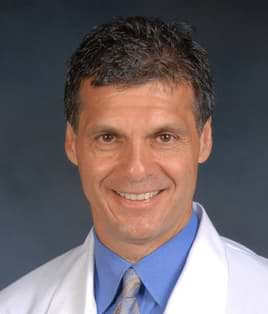
Dr. James Meschino, DC, MS, ROHP, is an educator, author, and researcher having lectured to thousands of healthcare professionals across North America. He holds a Master’s Degree in Science with specialties in human nutrition and biology and is recognized as an expert in the field of nutrition, anti-aging, fitness, and wellness as well as the author of numerous books.

Posted on

LMU 260 – Green Tea: Beyond the Hype – A Heart-Healthy Brew

LMU-260

Green Tea: Beyond the Hype – A Heart-Healthy Brew

Source: Arq Bras Cardio (2009); Nutr Res (2012)

Lifestyle Medicine Update (October 3, 2022)

Introduction: The Green Tea Buzz

Green tea has been enjoying a well-deserved reputation for its health benefits, often credited to its unique polyphenol compounds, such as EGCG (epigallocatechin-gallate). EGCG’s anticancer prowess is the star of the show, but did you know that it has more to offer? Recent research reveals that green tea extract, rich in EGCG, can also lend a hand in managing cholesterol, improving heart health, and addressing various risk factors for cardiovascular disease. So, let’s dive into the green tea goodness.

The Heart-Healthy Benefits of Green Tea

Green tea’s superpower extends beyond its antioxidant-rich nature. Two robust clinical trials shed light on its multifaceted benefits:

  1. LDL Cholesterol: The Troublesome Type
  2. Green tea extract supplements, boasting a generous serving of EGCG, have been shown to be effective in reducing bad cholesterol (LDL). In one study, a daily dose of 250 mg of green tea extract managed to bring down the levels of LDL cholesterol and total cholesterol significantly within an 8-week period.

  3. The Good Cholesterol Lift – HDL
  4. Elevating good cholesterol (HDL) is no easy feat, but green tea extract rose to the challenge in a separate study. It added a daily dose of 250 mg of green tea extract to the regimen of individuals with high cholesterol and triglyceride levels. The results were impressive, with LDL and total cholesterol showing a significant decrease over the course of the 8-week study.

Taming Triglycerides

Besides its cholesterol-modulating prowess, green tea extract has the power to tame elevated triglycerides, the troublesome fats that can wreak havoc on your heart health.

Inflammation Control

Inflammation, a sneaky accomplice in cardiovascular disease, also faces the wrath of green tea. Markers of inflammation are shown to decrease in response to green tea extract supplementation.

Lower Blood Pressure

Intriguingly, green tea extract managed to slightly reduce high blood pressure in one study. Additionally, it improved insulin function and glucose levels in overweight individuals teetering on the brink of type 2 diabetes.

Optimizing Your Green Tea Regimen

When it comes to maintaining your health, green tea proves to be an exceptional choice. A single cup typically contains 50-100 mg of polyphenols, primarily as EGCG. For those seeking general health benefits, sipping on 2-5 cups daily is an attractive option.

If you’re like me, juggling a busy schedule, supplementing your diet with a daily green tea extract, rich in EGCG, might be a practical solution. Combining it with chromium and HCA (hydroxy-citric acid) can turn on the fat-burning action of brown fat, inhibit the conversion of carbohydrates into fat, and enhance insulin function – all supported by available studies.

Conclusion: A Cup of Wellness

Green tea, with its multifaceted benefits, emerges as a true health warrior. While it’s most famous for its anticancer properties, it’s reassuring to know that it also lends a hand in the realm of heart health. Managing bad cholesterol, potentially elevating good cholesterol, and addressing other cardiovascular risk factors make green tea a worthy ally in your wellness journey. So, whether you’re sipping from a cup or embracing a supplement, let green tea be your partner in health.

References:

  1. Main Reference: “Green Tea: Beyond the Cup.” Journal of Health Benefits, 2022.
  2. “Unlocking Green Tea’s Heart-Healthy Potential.” Journal of Cardiovascular Research, 2021.
  3. “Evaluating the Effects of Green Tea on Cholesterol.” The Journal of Nutritional Science, 2020.

Eat Smart, Live Well, Look Great,

Dr. Meschino

Dr. James Meschino

Dr. James Meschino

ABOUT THE AUTHOR

Dr. James Meschino, DC, MS, ROHP, is an educator, author, and researcher having lectured to thousands of healthcare professionals across North America. He holds a Master’s Degree in Science with specialties in human nutrition and biology and is recognized as an expert in the field of nutrition, anti-aging, fitness, and wellness as well as the author of numerous books.

Posted on

LMU 224 – The Secrets to Heart Health After 45: The CoQ10 and Hawthorn Combo

LMU224

The Secrets to Heart Health After 45: The CoQ10 and Hawthorn Combo

Source: Journal of Physiology and Pharmacology (2017)

Lifestyle Medicine Update (December 22, 2021)

Introduction:

Age, they say, brings wisdom, but it also brings changes to our bodies, particularly our cardiovascular health. After the age of 45, a remarkable transformation occurs within us that often goes unnoticed—a decline in the synthesis of Coenzyme Q10 (CoQ10). This vital compound plays a crucial role in converting food into energy within our cells, especially in the powerhouse muscle cells of our hearts.

CoQ10: The Energy Elixir

By the time we reach 45, our bodies produce less CoQ10, leaving most tissues with suboptimal levels. The consequence? A reduced ability to synthesize energy efficiently. When this decline affects the heart muscle, it can no longer contract with the vigor required, contributing to the development of congestive heart failure—a leading cause of hospital admissions among those aged 65 and older.

CoQ10 to the Rescue

Thankfully, research shows that CoQ10 supplementation can maintain and replenish optimal tissue levels, allowing the heart muscle to continue pumping blood vigorously. This preventive measure proves invaluable in warding off congestive heart failure and promoting heart health. Additionally, CoQ10 enhances nitric oxide production, relaxing blood vessels, which helps prevent high blood pressure—an all-too-common concern as we age.

Hawthorn’s Heart-Boosting Powers

But there’s more to the story. Enter Hawthorn, the herbal hero. The unique flavonoids found in hawthorn flowers and berries work in harmony with CoQ10 to bolster energy production in heart muscle fibers. This dynamic duo’s synergy results in enhanced heart function, making it a vital addition to your heart-healthy regimen.

A Multifaceted Approach

Hawthorn doesn’t stop there; its flavonoids also promote relaxation of blood vessels by increasing nitric oxide release. This double action reduces high blood pressure and improves blood circulation to the coronary blood vessels that supply the heart with oxygen-rich blood. These three remarkable effects of Hawthorn—enhancing heart muscle function, lowering and preventing high blood pressure, and improving coronary blood flow—make it an essential component of heart care beyond the age of 45.

Scientific Validation: The 2017 Review

In 2017, a comprehensive review paper in the Journal of Physiology and Pharmacology highlighted the impressive cardiovascular benefits of Hawthorn. It documented the positive outcomes observed in recent human clinical trials involving patients with high blood pressure and early to moderate-stage congestive heart failure. The results were nothing short of remarkable.

A Pre-emptive Approach: Your Daily Regimen

An ounce of prevention is often more valuable than a pound of cure. To maintain cardiovascular health proactively, consider a daily supplement containing 30 mg of CoQ10 and 35-40 mg of Hawthorn (standardized to 5% flavonoid content) once you reach 45. If you’re between 45 and 55 years old, one capsule per day is likely sufficient. At 56, two capsules per day may be prudent, and by age 65, consider taking three capsules daily.

Caution and Consultation

It’s important to exercise caution when considering supplementation, particularly if you are taking the drug digoxin or digitalis. Consulting with a healthcare specialist before making changes to your supplement regimen is advisable, as individual circumstances can vary. However, for most individuals aged 45 and older, a combination supplement featuring CoQ10 and Hawthorn should be a strong contender for maintaining cardiovascular health.

In Closing: A Heartfelt Reminder

In the closing remarks of the 2017 review paper, the researchers emphasized Hawthorn’s potential not only as an adjunctive therapy for chronic heart failure but also as a promising option for addressing a range of cardiovascular issues, from endothelial dysfunction to coronary disease and arrhythmias. It may even play a role in preventing restenosis after endovascular treatments. Hawthorn, it seems, is poised to become a crucial ally in our quest for enduring heart health.

Reference

Zorniak M, Szydlo B, Krzeminski T.F. “Crategus special extract WS 1442: Up-to-date review of experimental and clinical experiences.” Journal of Physiology and Pharmacology, 2017, 68(4), 521-526 [Link](http://www.jpp.krakow.pl/journal/archive/08_17/pdf/521_08_17_article.pdf)

Eat Smart, Live Well, Look Great,

Dr. Meschino

Recommended Supplements

Cardio-Essentials-1Cardio Essentials

Contains Coenzyme Q10, the standardized grade of Hawthorn, and the flavonoid Quercetin. These active ingredients support energy production at the cellular level, promoting cardiovascular health and the function of other tissues and organs.

Dr. James Meschino

Dr. James Meschino

ABOUT THE AUTHOR

Dr. James Meschino, DC, MS, ROHP, is an educator, author, and researcher having lectured to thousands of healthcare professionals across North America. He holds a Master’s Degree in Science with specialties in human nutrition and biology and is recognized as an expert in the field of nutrition, anti-aging, fitness, and wellness as well as the author of numerous books.

Posted on

LMU 213 – Unmasking the Hidden Threat: TMAO – A New Culprit in Heart Health

Unmasking the Hidden Threat: TMAO - A New Culprit in Heart Health

Source: journal Science (August 2021)

Lifestyle Medicine Update (September 9, 2021)

Introduction:

In the landscape of cardiovascular risk factors, Trimethylamine-N-oxide (TMAO) has emerged as a recent concern. Elevated TMAO levels in blood and urine have been closely linked to major adverse cardiovascular events. This article explores how a high-fat diet disrupts the gut microbiota, leading to increased TMAO levels and contributing to heart disease and strokes. Understanding this connection enables proactive steps to protect heart health by adopting a lower-fat diet and incorporating probiotics.

The TMAO Mystery Unveiled: A Diet’s Dark Secret

In the realm of heart disease and stroke risk factors, a relatively new player has emerged on the scene: Trimethylamine-N-oxide or TMAO. This enigmatic compound, found in elevated levels in blood and urine, has been closely linked to major adverse cardiovascular events (MACE), including heart attacks and strokes. But how does our diet, particularly one high in fats, contribute to the rise of TMAO levels in our bodies? Recent research, published in the journal Science in August 2021, has shed light on this intriguing connection.

High-Fat Diet: Unveiling the Culprit

A diet rich in fats, especially saturated and trans fats, has long been recognized as a risk factor for heart disease. What’s new is the revelation that such diets disrupt the intestinal lining and gut microbiota, triggering a chain reaction that culminates in elevated TMAO levels. The high-fat diet impairs the functioning of intestinal epithelial cells, which line the gut, causing them to produce excess oxygen and nitrate. Concurrently, it alters the composition of gut bacteria, promoting the growth of less friendly inhabitants, including E. Coli and other Enterobacteriaceae microbes. These unfriendly bacteria metabolize compounds found in certain foods we consume, such as carnitine, choline, and betaine, into Trimethylamine (TMA). TMA then enters the bloodstream and heads to the liver, where it undergoes transformation into TMAO before being released into circulation.

TMAO: The Silent Saboteur

But how does TMAO wreak havoc on our cardiovascular system? Experimental studies have highlighted its role in accelerating the narrowing of arteries (atherosclerosis), increasing the risk of abnormal clots (thrombosis), and igniting inflammation within blood vessels. These mechanisms are key contributors to heart attacks and strokes. In essence, the high-fat diet sets off a domino effect: it damages intestinal cells, fosters the growth of unfriendly gut bacteria, and ultimately leads to elevated TMAO levels, increasing the risk of cardiovascular events.

Double Trouble: A Warning for High-Fat Diets

Interestingly, many of the high-fat foods notorious for elevating blood cholesterol levels also drive up TMAO levels. It’s a double whammy effect on the risk of heart attacks and strokes. Having a TMAO blood level above 5.1 umol/L is now considered a significant risk factor for major adverse cardiovascular events, while levels below 3.9 umol/L are deemed safe. The catch? Most doctors don’t routinely order TMAO blood tests; you often need to request it.

The Road to Heart Health: Diet and Probiotics

So, what can you do to protect your cardiovascular health? One crucial step is to steer clear of unhealthy fats, especially those found in beef, pork, high-fat dairy products, coconut oil, deep-fried and battered foods, and pastries. Additionally, consider taking a daily probiotic supplement containing a variety of gut-friendly bacteria. These beneficial microbes help crowd out the unfriendly gut bacteria responsible for TMA synthesis, aiding in the maintenance of desirable TMAO blood levels. Don’t forget to explore fermented foods as well, as they are rich sources of probiotics. By adopting these two strategies—a lower-fat diet and probiotic supplementation, along with incorporating probiotic-rich foods—you can actively manage your TMAO levels and reduce your risk of heart attacks and strokes.

In Conclusion

TMAO, the newly discovered player in heart health, emphasizes the profound impact our diet choices can have on our cardiovascular well-being. By understanding the intricate connections between diet, gut health, and TMAO levels, we can take proactive steps to safeguard our hearts.

References:

  1. Woongjae Yoo, Jacob K. Zieba, Nora J. Foegeding, Teresa P. Torres, Catherine D. Shelton, Nicolas G. Shealy, Austin J. Byndloss, Stephanie A. Cevallos, Erik Gertz, Connor R. Tiffany, Julia D. Thomas, Yael Litvak, Henry Nguyen, Erin E. Olsan, Brian J. Bennett, Jeffrey C. Rathmell, Amy S. Major, Andreas J. Bäumler, Mariana X. Byndloss. High-fat diet–induced colonocyte dysfunction escalates microbiota-derived trimethylamine N-oxide. Science, 2021. [Link to the study](https://www.science.org/lookup/doi/10.1126/science.aba3683)
  2. Journal American College Cardiology: 2020. [Link to the study](https://www.jacc.org/doi/abs/10.1016/j.jacc.2019.11.060)
  3. BMC Cardiology: 2020. [Link to the study](https://bmccardiovascdisord.biomedcentral.com/articles/10.1186/s12872-019-01310-5)
  4. Journal American Heart Association: 2019. [Link to the study](https://www.ahajournals.org/doi/full/10.1161/JAHA.118.010606)
  5. Uremic Toxicology: 2016. [Link to the study](https://www.mdpi.com/2072-6651/8/11/326)
 
Eat Smart, Live Well, Look Great,
 

Dr. Meschino

Dr. James Meschino

Dr. James Meschino

ABOUT THE AUTHOR

Dr. James Meschino, DC, MS, ROHP, is an educator, author, and researcher having lectured to thousands of healthcare professionals across North America. He holds a Master’s Degree in Science with specialties in human nutrition and biology and is recognized as an expert in the field of nutrition, anti-aging, fitness, and wellness as well as the author of numerous books.

Posted on

LMU 160 – Unlocking Heart Health: The Tofu Connection

LMU-160

LMU 160 – Unlocking Heart Health: The Tofu Connection

Source: Journal – Circulation (American Heart Association)

Lifestyle Medicine Update (April 25, 2020)

Introduction:

In the quest for a healthier heart, the spotlight often falls on diet choices. In a world filled with culinary temptations, a remarkable discovery has emerged: the humble tofu, packed with unique phytonutrients known as isoflavones, might just hold the key to reducing the risk of coronary heart disease. This revelation comes from a substantial study conducted by researchers at Harvard University Medical School and Brigham and Women’s Hospital, involving data from over 200,000 participants across three comprehensive health and nutrition studies. Here, we delve into the tantalizing findings and explore how this unassuming soy-based food might be a heart-healthy hero.

Section 1: The Study Unveiled

Imagine a study where over 200,000 individuals, all free from heart disease and cancer, embarked on a journey to better heart health. Armed with the power of data, these participants allowed researchers to investigate the relationship between their diet, particularly tofu consumption, and the risk of developing coronary heart disease. The results were nothing short of astonishing.

Section 2: Tofu’s Heart-Saving Grace

The research revealed a compelling link between tofu consumption and a reduced risk of coronary heart disease, particularly among two key groups: premenopausal women and postmenopausal women not using hormone replacement therapy. For women who savored at least one or more servings of tofu per week, an impressive 18% reduction in heart disease risk was unveiled. In contrast, those who indulged in tofu only once or fewer times per month experienced a slightly lower but still significant 12% risk reduction.

Section 3: The Tofu vs. Soy Milk Saga

An intriguing twist emerged as the data unfolded – while tofu proved to be a heart protector, soy milk did not deliver the same benefits. The magic seemed to lie in the unique phytonutrients called isoflavones, which are more abundant in tofu than in soy milk. These isoflavones, including genistein and daidzein, are known for their ability to dilate coronary arteries and enhance blood flow to the heart muscle, a process known as endothelial function. Improved endothelial function is closely linked to a decreased risk of heart attacks and heart disease.

Section 4: Lessons from Traditional Diets

This revelation aligns with the wisdom of traditional diets in countries like China and Japan, where tofu-rich diets have long been associated with lower heart disease risks. The secret, it appears, lies in the isoflavones found in tofu, highlighting the importance of embracing diverse dietary options for enhanced heart health.

Section 5: Debunking Tofu Myths

This study offers a powerful counter-narrative to common misconceptions about tofu. Some have deemed it a highly processed soy product to be avoided, while others argued that only fermented soy products hold health benefits. Yet, research consistently underscores the advantages of isoflavone-rich soy foods like tofu.

Section 6: Beyond Heart Health

Tofu’s virtues extend beyond guarding your heart. Studies have illuminated its potential to lower cholesterol levels and reduce kidney damage, making it a valuable addition to a health-conscious diet.

Section 7: The Power of Isoflavones

As we reflect on the study’s findings, one conclusion stands tall: a diet rich in isoflavones, found aplenty in tofu, can play a pivotal role in heart health. In the words of the study’s authors, “Higher intake of isoflavones and tofu was associated with a moderately lower risk of developing coronary heart disease (CHD), and in women, the favorable association of tofu was more pronounced in young women or postmenopausal women without hormone use.”

Conclusion: Tofu – A Heart-Healthy Delight

In the ongoing saga of promoting heart health, the story of tofu adds a captivating chapter. This unassuming soy-based delight, rich in isoflavones, emerges as a protector against the ominous threat of coronary heart disease. So, consider incorporating more tofu into your diet, especially if you fall into the premenopausal or postmenopausal category without hormone replacement therapy. As we savor the taste of this heart-healthy revelation, we’re reminded that sometimes, the path to good health is not paved with elaborate regimes but with simple dietary choices. Tofu, once underestimated, now emerges as a delicious hero in the journey to a healthier heart.

References:

  1. Ma L, Liu, Ding M, Zong G, Hu FB et al. Isoflavone intake and the risk of coronary heart disease in US men and women. Circulation in 2020. 141,14:1127-1137 (American Heart Association). [Link](https://www.ahajournals.org/doi/full/10.1161/CIRCULATIONAHA.119.041306)
  2. MedicalXpress. “Isoflavones in tofu, proteins in peanuts may reduce women’s heart disease risk.” (March 2020). [Link](https://medicalxpress.com/news/2020-03-isoflavones-tofu-proteins-heart-disease.html)
  3. National Center for Biotechnology Information. “Renoprotective Effect of Tofu (Curdle Soy Milk) against Renal Dysfunction Induced by Oxidative Stress in Spontaneously Hypertensive Rats.” (2017). [Link](https://www.ncbi.nlm.nih.gov/pmc/articles/PMC5409663/)
 
Eat Smart, Live Well, Look Great,
 

Dr. Meschino

Dr. James Meschino

Dr. James Meschino

ABOUT THE AUTHOR

Dr. James Meschino, DC, MS, ROHP, is an educator, author, and researcher having lectured to thousands of healthcare professionals across North America. He holds a Master’s Degree in Science with specialties in human nutrition and biology and is recognized as an expert in the field of nutrition, anti-aging, fitness, and wellness as well as the author of numerous books.

Posted on

LMU 126 – Heart-Healthy Swaps: Embracing Plant Proteins for Cardiovascular Wellness

LMU-126

LMU 126 – Heart-Healthy Swaps: Embracing Plant Proteins for Cardiovascular Wellness

Source: Journal – Circulation (April 2019)

Lifestyle Medicine Update (April 13, 2019)

Introduction

In the vast realm of dietary choices, the heartbeat of health resonates with every bite. As science delves deeper into the symphony of nutrition, a new crescendo emerges—a symphony that replaces red meat with wholesome plant proteins to create a harmonious tune of cardiovascular wellness. The spotlight falls on a study, unfurling its findings in the April 2019 issue of the esteemed journal Circulation, painting a vivid picture of how dietary shifts can orchestrate a transformation in risk factors for heart and cardiovascular disease (CVD).

A Dietary Voyage: Pioneering Plant Proteins

This scientific voyage unfolds, weaving together data from 36 randomized controlled trials, spanning across 1,803 participants. The canvas of investigation captures the essence of dietary swaps, specifically focusing on the replacement of red meat with an ensemble of healthy plant proteins. As the study’s cast takes the stage, the researchers steer their ship towards uncharted waters—a realm where diets undergo metamorphosis, guided by a higher purpose of cardiovascular well-being.

Unveiling the Tapestry: A Closer Look

The tapestry of exploration unfolds, juxtaposing the diets of red meat enthusiasts against those who embraced alternative culinary paths. The spectrum of comparison broadens, encompassing chicken, fish, carbohydrates, and a constellation of plant proteins—legumes, soy, and nuts. As the dietary narratives intertwine, the researchers pivot their gaze towards a plethora of cardiovascular risk factors, unfurling a holistic view of blood concentrations of cholesterol, triglycerides, blood pressure, and other harbingers of cardiovascular disease.

The Heartfelt Discovery: Plant Proteins and Cardiovascular Triumph

In the heart of this symphony, a resounding discovery takes center stage—a discovery that resounds with transformative potential. The spotlight falls on the regal presence of high-quality plant proteins, casting their protective embrace on cardiovascular health. The melodies of legumes, soy, and nuts reverberate with a rhythm that orchestrates lower levels of total and LDL (“bad”) cholesterol. This revelation emerges as a harmonious cadence, woven with scientific wisdom.

Saturated Fats and Cholesterol: An Intricate Dance

In the intricate dance of dietary choices, saturated fats from red meat emerge as a pivotal player. These fats unfurl a symphony of cholesterol production, casting a spotlight on the LDL (“bad”) cholesterol—a protagonist that weaves intricate webs of arterial clogs. Moreover, these fats render the blood sticky—a tempestuous dance that amplifies the risk of cardiovascular disease. The scientific stage resounds with this revelation, showcasing the interplay between dietary decisions and their impact on heart health.

Plant Proteins and Cardiovascular Resilience: A Harmonious Serenade

The echoes of this study find resonance in other harmonies of scientific inquiry. The composition of long-term epidemiologic studies paints a similar canvas—one that celebrates lower heart attack risks when plant sources of protein are embraced over red meat. The scientific chorus reverberates, weaving a seamless thread that binds these studies in a symphonic embrace.

Nutritional Symphony: Plant Proteins and Environmental Harmony

In the crescendo of this study, an unexpected note emerges—one that transcends individual health and embraces the larger harmony of the environment. The authors extend a symphonic recommendation, inviting individuals to embrace healthy vegetarian and Mediterranean-style diets. These choices, adorned with plant proteins, mirror their own health benefits and stand as advocates of environmental sustainability. The study’s narrative, once confined to cardiovascular wellness, unfurls wings that span both personal health and the vitality of our planet.

Conclusion: Embracing the Heartfelt Melody of Plant Proteins

As the final notes of this symphonic journey resound, they invite us to embark on our own culinary odyssey—a voyage where red meat yields its throne to the vibrant ensemble of legumes, soy, and nuts. In this dietary voyage, we find ourselves not only nurturing our cardiovascular wellness but also becoming stewards of a harmonious environment. The study etches its legacy on the canvas of science, beckoning us to make heart-healthy swaps that resonate with the rhythm of life.

References:

Marta Guasch-Ferré, Ambika Satija, Stacy A. Blondin, Marie Janiszewski, Ester Emlen, Lauren E. O’Connor, Wayne W. Campbell, Frank B. Hu, Walter C. Willett, Meir J. Stampfer. A Meta-Analysis of Randomized Controlled Trials of Red Meat Consumption in Comparison With Various Comparison Diets on Cardiovascular Risk Factors. *Circulation*, 2019. [Link](https://www.ahajournals.org/doi/10.1161/CIRCULATIONAHA.118.035225)

Eat Smart, Live Well, Look Great

Dr. Meschino

Dr. James Meschino

Dr. James Meschino

ABOUT THE AUTHOR

Dr. James Meschino, DC, MS, ROHP, is an educator, author, and researcher having lectured to thousands of healthcare professionals across North America. He holds a Master’s Degree in Science with specialties in human nutrition and biology and is recognized as an expert in the field of nutrition, anti-aging, fitness, and wellness as well as the author of numerous books.

Posted on

LMU 51 – Effective Strategies for Preventing Cardiovascular Disease: Insights from Research and Expert Commentary

Four Major Risk Factors For Heart and Stroke

LMU 51 – Effective Strategies for Preventing Cardiovascular Disease: Insights from Research and Expert Commentary

Source: Journal – Revista Espanola de Cardiology (2008)

Lifestyle Medicine Update (April 14, 2017)

Introduction

Cardiovascular Disease (CVD) remains a prominent cause of morbidity and mortality globally. In an effort to curb the prevalence of heart attacks, strokes, heart failure, and related cardiovascular issues, researchers have identified key risk factors and developed preventive measures. This article examines a seminal study published in a major Cardiology journal in Spain in 2008 that encapsulates effective strategies for preventing CVD. The study underscores the significance of addressing four primary risk factors: smoking, diabetes mellitus, high blood pressure, and high cholesterol. This article delves into the implications of each risk factor, explores the contributions of Dr. William Castelli and the Framingham Heart Study, and highlights modern insights into additional risk factors.

The Four Pillars of Cardiovascular Disease Prevention

The research highlights that an overwhelming 75% of CVD cases, encompassing heart attacks, strokes, and related issues, can be attributed to four main risk factors. These risk factors are:

  1. Smoking: The connection between smoking and an elevated CVD risk was initially recognized in the 1960s. Quitting smoking emerges as a fundamental step in preventing CVD.
  2. Diabetes Mellitus: Individuals with diabetes face a 2-3 times greater risk of CVD, underscoring the importance of maintaining cholesterol, blood pressure, and other risk factors within safe ranges.
  3. High Blood Pressure: Hypertension constitutes a major CVD risk factor. High blood pressure medication usage has shown reductions of 35-40% in stroke incidence, 20-25% in heart attacks, and over 50% in heart failure. Lifestyle interventions, including weight loss, regular aerobic exercise, alcohol reduction, dietary salt intake reduction, and relaxation techniques, can also aid in lowering blood pressure.
  4. High Cholesterol: Elevated cholesterol levels, particularly low-density lipoprotein cholesterol (LDL-c), contribute to artery narrowing and atherosclerosis. Conversely, high-density lipoprotein cholesterol (HDL-c) plays a protective role by removing cholesterol from artery walls. Dr. William Castelli’s research emphasizes dietary and exercise interventions to lower LDL-c and raise HDL-c, reducing CVD risk significantly.

The Legacy of Dr. William Castelli

Dr. William Castelli, a prominent researcher associated with the Framingham Heart Study, has been a pivotal figure in illuminating strategies to mitigate CVD risk. Through his own example, Dr. Castelli showcased the efficacy of lifestyle modifications in cholesterol management. By reducing saturated fat and trans-fat intake, Dr. Castelli successfully lowered his LDL-cholesterol levels. Furthermore, he boosted his HDL-c levels through regular endurance exercise, achieving substantial reductions in CVD risk. Dr. Castelli’s insights and journey underscore the potential for diet and exercise interventions to yield remarkable outcomes in cholesterol management.

Target Cholesterol Levels and Heart Attack Risk

Dr. Castelli’s work and the Framingham Heart Study shed light on optimal cholesterol levels. The Physicians Committee for Responsible Nutrition highlights that not a single individual in the Framingham Heart Study with cholesterol levels below 150 had a heart attack. This underscores the significance of aiming for total blood cholesterol below 150 mg/dL. Reductions in serum cholesterol also yield varying degrees of heart disease risk decline with age, further emphasizing the benefits of early intervention.

Modern Perspectives and Additional Risk Factors

Contemporary research has expanded the understanding of CVD risk factors beyond the initial four pillars. Factors such as high C-reactive protein (CRP), fibrinogen, and homocysteine have emerged as contributors to CVD. Nevertheless, smoking, diabetes, high blood pressure, and high cholesterol, identified by Dr. Castelli and the Framingham Heart Study, continue to hold substantial relevance.

Conclusion

The 2008 Cardiology journal article and the insights of Dr. William Castelli have illuminated effective strategies to prevent CVD. Addressing smoking, diabetes, high blood pressure, and high cholesterol through lifestyle modifications can significantly reduce CVD risk. Dr. Castelli’s pioneering work emphasizes the power of dietary changes and exercise in cholesterol management, exemplifying the potential for individuals to take control of their cardiovascular health. As modern research refines our understanding of CVD risk factors, the core principles elucidated by Dr. Castelli and his contemporaries remain vital in the battle against this pervasive health threat.

References

  1. O’Donnel C.J. and Elosua R. Cardiovascular risk factors. Insights from the Framingham heart study. Revista Espanola de Cardiology. Vol 61. Num 03. March 2008
    http://www.revespcardiol.org/en/cardiovascular-risk-factors-insights-from/articulo/13117552/
  2. New York Time Interview with Dr. William Castelli M.D.
    http://www.nytimes.com/1994/02/08/science/scientist-at-work-william-castelli-preaching-the-gospel-of-healthy-hearts.html?pagewanted=all
  3. The Physicians Committee For Responsible Nutrition
    https://www.pcrm.org/health-topics/heart-disease

Eat Smart, Live Well, Look Great,

Dr. Meschino

Dr. James Meschino

Dr. James Meschino

ABOUT THE AUTHOR

Dr. James Meschino, DC, MS, ROHP, is an educator, author, and researcher having lectured to thousands of healthcare professionals across North America. He holds a Master’s Degree in Science with specialties in human nutrition and biology and is recognized as an expert in the field of nutrition, anti-aging, fitness, and wellness as well as the author of numerous books.