Posted on

LMU 291 – Folic Acid Supplementation Improves Efficacy of Anti-Depression Drugs

LMU-291

Enhancing Antidepressant Treatment: The Role of Methylfolate Supplementation

Source: Journal of Clinical Psychiatry (2023)

Lifestyle Medicine Update (June 6, 2023)

Introduction:

In May 2023, the Journal of Clinical Psychiatry published a comprehensive review paper examining the potential of methylfolate, a specialized form of the B-vitamin folic acid, as an adjunctive therapy for major depressive disorder. This review aims to synthesize findings from various studies investigating methylfolate’s efficacy in individuals who do not respond adequately to traditional antidepressant medications alone.

Key Findings:

The review highlights several significant findings:

  • The addition of methylfolate to antidepressant drug therapy significantly improves treatment response rates in individuals previously resistant to antidepressant medications.
  • Methylfolate plays a vital role in synthesizing neurotransmitters, particularly serotonin, which is essential for mood regulation. Unlike antidepressants, which primarily slow serotonin breakdown, methylfolate facilitates serotonin synthesis, offering a unique mechanism for treatment augmentation.
  • Methylfolate supplementation is particularly beneficial for patients with drug-resistant major depression, especially those who are overweight or exhibit high levels of inflammatory blood markers. Overweight individuals often have elevated inflammatory chemicals, which can impede serotonin synthesis and reduce antidepressant efficacy. Methylfolate helps counteract these effects, enabling the normalization of serotonin synthesis.
  • The recommended effective dosage of methylfolate for individuals unresponsive to antidepressant drugs is 15 mg per day. Psychiatrists are encouraged to consider adding methylfolate to the treatment regimen for such patients.

Implications and Recommendations:

The review underscores the broader importance of nutritional support in mental health:

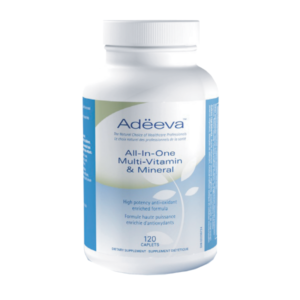
  • Various vitamins and minerals, including B-vitamins (folic acid, vitamin B12, B6, B3, and pantothenic acid), vitamin C, and magnesium, are essential for neurotransmitter synthesis and overall brain function. Consideration of high-potency multivitamin and mineral supplements, along with increased antioxidant dosages, is recommended to support mental health.

Clinical application:

Individuals with depression, especially those who have not responded adequately to antidepressant medications, should discuss the potential benefits of methylfolate supplementation (15 mg/day) with their healthcare providers. Elevated levels of markers such as blood homocysteine, ESR, and CRP may indicate potential responsiveness to methylfolate supplementation.

Conclusion:

The review emphasizes the importance of considering natural supplements, such as methylfolate, as adjunctive treatments for depression. By addressing underlying nutritional deficiencies and supporting neurotransmitter synthesis, these supplements offer promising avenues for enhancing antidepressant efficacy and promoting brain health.

References:

 
Eat Smart, Live Well, Look Great,

Dr. Meschino

Recommended Supplements

Dr. James Meschino

Dr. James Meschino

ABOUT THE AUTHOR

Dr. James Meschino, DC, MS, ROHP, is an educator, author, and researcher having lectured to thousands of healthcare professionals across North America. He holds a Master’s Degree in Science with specialties in human nutrition and biology and is recognized as an expert in the field of nutrition, anti-aging, fitness, and wellness as well as the author of numerous books.

Posted on

LMU 284 – Glutathione Status Emerging as a Key Marker for Postpartum Suicide Risk

LMU-284

Unveiling the Role of Glutathione in Postpartum Suicide Risk

Source: Frontiers in Psychiatry Journal (Feb. 2023)

Lifestyle Medicine Update (April 18, 2023)

Insights from Research: Glutathione and Suicide Risk

A study published in February 2023 in the journal Frontiers in Psychiatry highlights a significant connection between glutathione (GSH) levels and the risk of suicide in women at 18 months postpartum. Lower serum glutathione levels were notably associated with higher suicide risk among postpartum women.

Understanding Glutathione

Glutathione serves as a crucial antioxidant in the brain, protecting brain cells from damage caused by free radicals. Free radical damage is implicated in various mental health disorders, making glutathione levels pivotal for brain health. Boosting brain glutathione levels, often achieved through supplementation with N-acetylcysteine (NAC), has shown positive effects on conditions like major depressive disorder, bipolar disorder, and schizophrenia.

Practical Steps: Supplementing with N-Acetylcysteine (NAC)

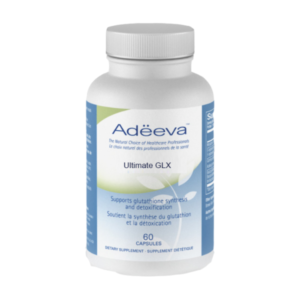
Raising glutathione levels is achievable through supplementation with N-acetylcysteine (NAC), which has demonstrated positive effects on various psychiatric conditions. Additionally, a combination supplement containing NAC, Alpha-Lipoic Acid, L-Glutamine, and Silymarin (from Milk thistle) can synergistically support glutathione status in both the body and the brain.

Age-Related Considerations: Preserving Youthful Glutathione Levels

Given that glutathione levels decline with age, especially after 50, supplementation to maintain optimal levels becomes increasingly important. Preserving youthful glutathione levels is not only beneficial for mental health but also contributes to overall well-being and longevity.

Implications for Postpartum Health

The study underscores the emerging role of glutathione as a potential biomarker for identifying postpartum women at risk of suicide. Therefore, evaluating glutathione status, particularly in women experiencing postpartum depression, could be crucial for early intervention and support.

Conclusion: Prioritizing Glutathione for Mental Wellness

Understanding the significance of glutathione in mental health underscores the importance of proactive measures to support its levels. Whether through targeted supplementation or routine evaluation, prioritizing glutathione status offers a promising avenue for safeguarding mental wellness, especially in vulnerable populations like postpartum women.

References:

  1. Da Silva Schmidt P.M. et al. “Can glutathione be a biomarker for suicide risk in women 18 months postpartum?” Frontiers in Psychiatry. February 9, 2023. [Link](https://www.frontiersin.org/articles/10.3389/fpsyt.2023.1142608/full)
  2. Medscape: “Glutathione as potential biomarker for postpartum suicide.” [Link](https://www.medscape.com/viewarticle/990552?ecd=mkm_ret_230415_mscpmrk-OUS_IntStories&uac=342474MN&impID=5332796&faf=1)

Eat Smart, Live Well, Look Great,

Dr. Meschino

Recommended Supplements

Dr. James Meschino

Dr. James Meschino

ABOUT THE AUTHOR

Dr. James Meschino, DC, MS, ROHP, is an educator, author, and researcher having lectured to thousands of healthcare professionals across North America. He holds a Master’s Degree in Science with specialties in human nutrition and biology and is recognized as an expert in the field of nutrition, anti-aging, fitness, and wellness as well as the author of numerous books.
Posted on

LMU 118 – Nourishing Your Mood: The Power of Diet and Depression Management

LMU-118

LMU 118 – Nourishing Your Mood: The Power of Diet and Depression Management

Source: Journal Psychosomatic Medicine (February 2019)

Lifestyle Medicine Update (February 8, 2019)

Introduction:

In the grand tapestry of health and wellness, the threads of our physical and mental well-being are inextricably intertwined. As the shadows of depression and mood fluctuations loom over lives, a question emerges from the shadows—can dietary choices wield the power to alleviate the weight of these emotional burdens? In the corridors of scientific inquiry, studies have long hinted at the link between diet and mood. But now, a revelation surfaces, bolstered by a comprehensive meta-analysis, offering hope and insight into the role of dietary modifications in the realm of depression management.

A Dance Between Diet and Mood

As the curtain rises on this exploration, the age-old query reverberates—can the foods we consume influence our mental states? Anecdotal murmurs have long suggested a connection, but empirical evidence has been elusive. Enter the realm of lifestyle medicine, where physical health and mental well-being entwine. Studies have already extolled the virtues of regular endurance exercise as a beacon of hope, ushering in improved mood, heightened well-being, and a shield against the shadows of depression and anxiety. But the realm of dietary choices remained an enigmatic domain, awaiting its moment of revelation.

Unveiling the Hidden Link

As the sands of time shift, a cornerstone of insight emerges—an elaborate meta-analysis published in the journal Psychosomatic Medicine, casting its net wide over 16 eligible studies, embracing nearly 46,000 participants. The results illuminate a hitherto uncharted path, adorned with the promise of dietary modifications as harbingers of improved mood, even for those ensnared by the clutches of diagnosed depressive disorder. The stage is set for a transformative journey, where diet dances hand in hand with mental wellness.

The Symphony of Dietary Modifications

In the spotlight of this revelation stands an array of dietary modifications, each holding aloft the promise of improved mental health. Weight-loss, a reduction in fat intake, and the elevation of nutrient-rich diets—all emerge as knights of hope, wielding their swords against the dragons of depressive symptoms. The chorus of recommendations harmonizes—embrace meals brimming with nutrients, embrace the embrace of fiber and vegetables, and with a resolute spirit, distance yourself from the siren call of fast-foods and refined sugars. The implications are clear: simple dietary shifts can harness the power to fend off the psychological turmoil that often accompanies a “junk food” diet.

A Symphony of Holistic Wellness

As the melody of revelation unfolds, a dynamic interplay surfaces—diet, exercise, and mood. The chorus resounds with an encouraging note—the combination of dietary interventions and exercise serves as a harmonious symphony, orchestrating an even more profound improvement in depressive symptoms. Herein lies a crucial revelation—the female participants basked in the glow of even greater benefits from dietary interventions for depression and anxiety symptoms. It’s a testament to the intricate interplay between gender, diet, and mental well-being.

A New Dawn of Healing

The words of the co-author ring through the corridors of discovery, “our data add to the growing evidence to support lifestyle interventions as an important approach to tackle low mood and depression.” The tendrils of speculation extend, weaving intricate connections—perhaps the improved mood birthed from dietary modifications stems from the unshackling of obesity, the taming of inflammation, or the banishment of fatigue. Each thread unfurls, intersecting with the realm of diet, a web of influences that cascade upon mental health. The journey of understanding has only begun, and while more studies are needed, the compass of hope now points towards a healthier, brighter horizon.

Epilogue: Nurturing the Seeds of Wellness

As the curtain descends on this symphony of discovery, a resounding truth echoes—the choices we make at the dinner table ripple through the tapestry of our lives. In the realm of mood management, the power of dietary modifications has been unveiled, paving the way for a journey of healing. The embrace of nutrient-dense choices, the avoidance of fast-food siren calls, the synergy with exercise—these elements converge, nurturing the seeds of holistic wellness. As we journey forward, let the symphony of dietary well-being be the anthem that guides us towards brighter tomorrows.

Reference:

Joseph Firth, Wolfgang Marx, Sarah Dash, Rebekah Carney, Scott B Teasdale, Marco Solmi, Brendon Stubbs, Felipe B. Schuch, André F. Carvalho, Felice Jacka, Jerome Sarris. The effects of dietary improvement on symptoms of depression and anxiety. Psychosomatic Medicine, 2019;  10.1097/PSY.0000000000000673

Eat Smart, Live Well, Look Great,

Dr. Meschino

Dr. James Meschino

Dr. James Meschino

ABOUT THE AUTHOR

Dr. James Meschino, DC, MS, ROHP, is an educator, author, and researcher having lectured to thousands of healthcare professionals across North America. He holds a Master’s Degree in Science with specialties in human nutrition and biology and is recognized as an expert in the field of nutrition, anti-aging, fitness, and wellness as well as the author of numerous books.

Posted on

LMU 29 – The Link Between Vitamin D, Omega-3 Fats, and Depression: Unravelling the Neurochemical Connection

Vitamin D and Omega-3 Fats in the Prevention and Treatment of Depression

LMU 29 – The Link Between Vitamin D, Omega-3 Fats, and Depression: Unravelling the Neurochemical Connection

Source: Federation of American Societies of Experimental Biology Journal (2015)

Lifestyle Medicine Update (November 3, 2016)

Introduction:

Depression is a prevalent mental health condition that affects millions of people worldwide. Recent studies have shown a potential relationship between low vitamin D levels and an increased risk of depression. Additionally, preliminary research suggests that omega3 fat supplementation, particularly from fish oil, may improve depression management when used in conjunction with antidepressant medications or as a singular therapy. Understanding the mechanisms behind these effects is crucial for developing effective preventive and treatment strategies. A study published in the Federation of American Societies for Experimental Biology Journal in June 2015 has shed light on the fascinating connection between vitamin D, omega-3 fats, and depression.

The Role of Vitamin D in Serotonin Synthesis

Serotonin is a crucial neurotransmitter often referred to as the “feel-good” chemical. It plays a vital role in regulating mood and emotions. Vitamin D has shown to be essential in activating the synthesis of a key enzyme called tryptophan hydroxylase-2, which converts the amino acid tryptophan (found in food) into serotonin. While some antidepressant medications work by inhibiting serotonin breakdown to raise its levels, vitamin D appears to work differently by stimulating the brain to produce more serotonin. Vitamin D receptors are found on various types of brain cells, and when vitamin D binds to these receptors in specific brain regions, it travels to the nucleus of the brain cell, instructing genes to increase the production of tryptophan hydroxylase-2. This enables brain cells to manufacture more serotonin, suggesting that vitamin D may help prevent depression and aid in its recovery.

Omega-3 Fats and Serotonin Signalling

EPA (eicosapentaenoic acid) and DHA (docosahexaenoic acid) are two essential omega-3 fats found in fish oil. They have been studied for their potential role in depression management. Evidence shows that EPA increases the release of serotonin from brain cells, allowing it to send its positive effects to neighboring brain cells. On the other hand, DHA enhances the fluidity of nerve cell membranes, making it easier for brain cells to receive serotonin messages from neighboring cells. Together, vitamin D, EPA, and DHA appear to synergistically increase serotonin production, release, and stimulation in key brain regions related to depression.

The Proposed Model: Preventing Brain Dysfunction

The researchers propose a model suggesting that insufficient levels of vitamin D, EPA, or DHA, combined with genetic factors and occurring at critical periods during development, may lead to dysfunctional serotonin activation and function. This dysfunction may be one underlying mechanism contributing to neuropsychiatric disorders, including depression. The model suggests that optimizing vitamin D and marine omega-3 fatty acid intake could help prevent and mitigate the severity of brain dysfunction associated with neuropsychiatric conditions.

Recommendations for Mental Health and Well-Being

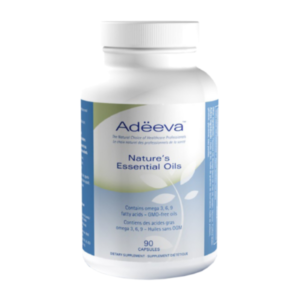
Given the emerging evidence, it is advisable to ensure that your blood vitamin D level is at or above 85 nmol/L (35 ng/ml). If your levels are low, supplementation may be necessary. Additionally, considering a daily supplementation regimen supplying 800-1200 mg of fish oil can be beneficial for overall health and may help prevent or mitigate the severity of depression and other neuropsychiatric conditions.

Conclusion

The connection between vitamin D, omega-3 fats, and depression is a fascinating area of research that offers promising insights into preventive and treatment approaches for mental health conditions. The ability of vitamin D to stimulate serotonin production and omega-3 fats to enhance serotonin signalling underscores the importance of a well-balanced diet and lifestyle for mental well-being. Maintaining adequate vitamin D levels and incorporating omega-3 fats into your daily routine may not only contribute to better overall health but also support your emotional and mental resilience.

References:

Patrick, R.P., Ames, B.N., Vitamin D and the omega-3 fatty acids control serotonin synthesis and action, part 2: relevance for ADHDbipolar disorderschizophrenia, and impulsive behavior. FASEB, J. 2015, June 29(6):2207-22.
https://www.ncbi.nlm.nih.gov/pubmed/25713056

Eat Smart, Live Well, Look Great,

Dr. Meschino

Introduction

Depression is a prevalent mental health condition that affects millions of people worldwide. Recent studies have shown a potential relationship between low vitamin D levels and an increased risk of depression. Additionally, preliminary research suggests that omega-3 fat supplementation, particularly from fish oil, may improve depression management when used in conjunction with antidepressant medications or as a singular therapy. Understanding the mechanisms behind these effects is crucial for developing effective preventive and treatment strategies. A study published in the Federation of American Societies for Experimental Biology Journal in June 2015 has shed light on the fascinating connection between vitamin D, omega-3 fats, and depression.

The Role of Vitamin D in Serotonin Synthesis

Serotonin is a crucial neurotransmitter often referred to as the “feel-good” chemical. It plays a vital role in regulating mood and emotions. Vitamin D has shown to be essential in activating the synthesis of a key enzyme called tryptophan hydroxylase-2, which converts the amino acid tryptophan (found in food) into serotonin. While some antidepressant medications work by inhibiting serotonin breakdown to raise its levels, vitamin D appears to work differently by stimulating the brain to produce more serotonin. Vitamin D receptors are found on various types of brain cells, and when vitamin D binds to these receptors in specific brain regions, it travels to the nucleus of the brain cell, instructing genes to increase the production of tryptophan hydroxylase-2. This enables brain cells to manufacture more serotonin, suggesting that vitamin D may help prevent depression and aid in its recovery.

Omega-3 Fats and Serotonin Signalling

EPA (eicosapentaenoic acid) and DHA (docosahexaenoic acid) are two essential omega-3 fats found in fish oil. They have been studied for their potential role in depression management. Evidence shows that EPA increases the release of serotonin from brain cells, allowing it to send its positive effects to neighboring brain cells. On the other hand, DHA enhances the fluidity of nerve cell membranes, making it easier for brain cells to receive serotonin messages from neighboring cells. Together, vitamin D, EPA, and DHA appear to synergistically increase serotonin production, release, and stimulation in key brain regions related to depression.

The Proposed Model: Preventing Brain Dysfunction

The researchers propose a model suggesting that insufficient levels of vitamin D, EPA, or DHA, combined with genetic factors and occurring at critical periods during development, may lead to dysfunctional serotonin activation and function. This dysfunction may be one underlying mechanism contributing to neuropsychiatric disorders, including depression. The model suggests that optimizing vitamin D and marine omega-3 fatty acid intake could help prevent and mitigate the severity of brain dysfunction associated with neuropsychiatric conditions.

Recommendations for Mental Health and Well-Being

Given the emerging evidence, it is advisable to ensure that your blood vitamin D level is at or above 85 nmol/L (35 ng/ml). If your levels are low, supplementation may be necessary. Additionally, considering a daily supplementation regimen supplying 800-1200 mg of fish oil can be beneficial for overall health and may help prevent or mitigate the severity of depression and other neuropsychiatric conditions.

Conclusion

The connection between vitamin D, omega-3 fats, and depression is a fascinating area of research that offers promising insights into preventive and treatment approaches for mental health conditions. The ability of vitamin D to stimulate serotonin production and omega-3 fats to enhance serotonin signalling underscores the importance of a well-balanced diet and lifestyle for mental well-being. Maintaining adequate vitamin D levels and incorporating omega-3 fats into your daily routine may not only contribute to better overall health but also support your emotional and mental resilience.

References:

Patrick, R.P., Ames, B.N., Vitamin D and the omega-3 fatty acids control serotonin synthesis and action, part 2: relevance for ADHD, bipolar disorder, schizophrenia, and impulsive behavior. FASEB, J. 2015, June 29(6):2207-22.
https://www.ncbi.nlm.nih.gov/pubmed/25713056

Dr. James Meschino

Dr. James Meschino

ABOUT THE AUTHOR

Dr. James Meschino, DC, MS, ROHP, is an educator, author, and researcher having lectured to thousands of healthcare professionals across North America. He holds a Master’s Degree in Science with specialties in human nutrition and biology and is recognized as an expert in the field of nutrition, anti-aging, fitness, and wellness as well as the author of numerous books.

Posted on

LMU 21 – Supplements Proven to Enhance Efficacy of Antidepressant Medication

LMU-21

LMU 21 – Supplements Proven to Enhance Efficacy of Antidepressant Medication

Source: The American Journal of Psychiatry (June, 2016)

Lifestyle Medicine Update (August 23, 2016)

If you’ve ever suffered from depression or know someone who has, you’ll want to know about a study published in June, 2016, in The American Journal of Psychiatry. In recent years, a number of clinical trials have shown that taking certain supplements in conjunction with antidepressant drugs can actually enhance their efficacy and improve outcomes for patients suffering from depression.

This means, adding specific supplements to an antidepressant medicine regime has been shown to speed up recovery time, improve responses in patients who were not previously responding to medication, or provide a more complete recovery and/or reduced relapse rate. This is important because overall, just 30-40% of patients with major depression have only a partial response to the use of antidepressant drugs and psychotherapy treatment – when you factor in relapse rates.

In a combined effort, researchers from the University of Melbourne, and researchers from Harvard University, examined 40 clinical human trials worldwide, alongside a systematic review of the evidence, examining the use of supplements as an adjunct to the treatment of depression. After reviewing all the worldwide studies performed up to December, 2015, they published their findings in the June, 2016 issue of The American Journal of Psychiatry. What they publisehd was the discovery that current research supports the addition of certain supplements to antidepressant medication management of depression, as it can increase the effectiveness of antidepressants for people with clinical depression.

This was especially true for 4 specific supplements, including:

  1. Omega-3 fats from fish oil
  2. SAMe (S-adenosylmethionine)
  3. Methylfolate (a form of the B-vitamin folic acid)
  4. Vitamin D

Each of these supplements boost the effectiveness of antidepressant medication.The strongest evidence was for Omega-3 fats from fish oil. The brain requires Omega-3 fats to improve what’s known as brain fluidity. With improved brain fluidity, the receptors on brain cells can more easily receive signals from the “feel good” brain chemicals, like serotonin, dopamine and norepinephrine. Antidepressant drugs help the brain increase levels of these mood-enhancing chemicals but brain cells need to have sufficient fluidity for their receptors (or “antennae”) to receive the message from the mood-enhancers. If the brain hardens, which can result from eating too much saturated fat or trans-fats, or insufficient omega-3 fats, then the brain cell receptor system is much less effective.

So, Omega-3 fats have been shown to improve the effectiveness of antidepressant drugs by improving brain fluidity. Omega 3 fat supplementation also:

  • decreases brain inflammation,
  • improves blood flow through the brain’s blood vessel network,
  • and may help improve nerve conduction or electrical transmission (communication) between nerve cells.

Some studies also show that it may help block the build up of beta-amyloid plaque – a hallmark feature of Alzheimer’s disease. A number of studies suggest that a higher intake of Omega-3 fats help to reduce risk of Alzheimer’s disease.

For all these reasons, Omega-3 fat supplementation from fish oil is a supplement to strongly consider.

The supplements SAMe and Methylfolate work by helping the brain synthesize more of mood-enhancing chemicals like serotonin, dopamine and noradrenaline. Antidepressant drugs slow the breakdown of mood-enhancing drugs, but only certain supplements like SAMe and Methylfolate can actually help the brain synthesize more mood-enhancing chemicals.

As for Vitamin D, studies show that Vitamin D is required to help the brain make serotonin, which is the ultimate feel good brain chemical or neurotransmitter.

My point is, many doctors don’t read The American Journal of Psychiatry every month, and therefore may not see this ground-breaking review paper. If you suffer from depression, or have suffered from depression, you may want to forward a link to this research article to your doctor. Or, you may want to provide the link to a friend of family member who suffers from depression, so they can forward it to their doctor. Hopefully, your doctor, or their doctor, will review the evidence and recommend an established daily dosage of one or more of the supplements highlighted in this review as a means to increase the effectiveness of the prescribed antidepressant medication.

I’ve attached a link to the research article and review in the text below.

References:

1. Sarris, J., Murphy, J., Mischoulon, D., Papakostas, G.I., Fava, M., et al. Adjunctive Nutraceuticals for Depression: A systematic review and meta-analysis. American Journal of Psychiatry, 2016, Vol. 173, issue 6, pp: 575-587.http://ajp.psychiatryonline.org/doi/10.1176/appi.ajp.2016.15091228

2. https://www.sciencedaily.com/releases/2016/04/160426091725.htm


Eat Smart, Live Well, Look Great,

Dr. Meschino

If you’ve ever suffered from depression or know someone who has, you’ll want to know about a study published in June, 2016, in The American Journal of Psychiatry. In recent years, a number of clinical trials have shown that taking certain supplements in conjunction with antidepressant drugs can actually enhance their efficacy and improve outcomes for patients suffering from depression.

This means, adding specific supplements to an antidepressant medicine regime has been shown to speed up recovery time, improve responses in patients who were not previously responding to medication, or provide a more complete recovery and/or reduced relapse rate. This is important because overall, just 30-40% of patients with major depression have only a partial response to the use of antidepressant drugs and psychotherapy treatment – when you factor in relapse rates.

In a combined effort, researchers from the University of Melbourne, and researchers from Harvard University, examined 40 clinical human trials worldwide, alongside a systematic review of the evidence, examining the use of supplements as an adjunct to the treatment of depression. After reviewing all the worldwide studies performed up to December, 2015, they published their findings in the June, 2016 issue of The American Journal of Psychiatry. What they publisehd was the discovery that current research supports the addition of certain supplements to antidepressant medication management of depression, as it can increase the effectiveness of antidepressants for people with clinical depression.

This was especially true for 4 specific supplements, including:

  1. Omega-3 fats from fish oil
  2. SAMe (S-adenosylmethionine)
  3. Methylfolate (a form of the B-vitamin folic acid)
  4. Vitamin D

Each of these supplements boost the effectiveness of antidepressant medication.The strongest evidence was for Omega-3 fats from fish oil. The brain requires Omega-3 fats to improve what’s known as brain fluidity. With improved brain fluidity, the receptors on brain cells can more easily receive signals from the “feel good” brain chemicals, like serotonin, dopamine and norepinephrine. Antidepressant drugs help the brain increase levels of these mood-enhancing chemicals but brain cells need to have sufficient fluidity for their receptors (or “antennae”) to receive the message from the mood-enhancers. If the brain hardens, which can result from eating too much saturated fat or trans-fats, or insufficient omega-3 fats, then the brain cell receptor system is much less effective.

So, Omega-3 fats have been shown to improve the effectiveness of antidepressant drugs by improving brain fluidity. Omega-3 fat supplementation also:

  • decreases brain inflammation,
  • improves blood flow through the brain’s blood vessel network,
  • and may help improve nerve conduction or electrical transmission (communication) between nerve cells.

Some studies also show that it may help block the build up of beta-amyloid plaque – a hallmark feature of Alzheimer’s disease. A number of studies suggest that a higher intake of Omega-3 fats help to reduce risk of Alzheimer’s disease.

For all these reasons, Omega-3 fat supplementation from fish oil is a supplement to strongly consider.

The supplements SAMe and Methylfolate work by helping the brain synthesize more of mood-enhancing chemicals  like serotonin, dopamine and noradrenaline. Antidepressant drugs slow the breakdown of mood-enhancing drugs, but only certain supplements like SAMe and Methylfolate can actually help the brain synthesize more mood-enhancing chemicals.

As for Vitamin D, studies show that Vitamin D is required to help the brain make serotonin, which is the ultimate feel good brain chemical or neurotransmitter.

My point is, many doctors don’t read The American Journal of Psychiatry every month, and therefore may not see this ground-breaking review paper. If you suffer from depression, or have suffered from depression, you may want to forward a link to this research article to your doctor. Or, you may want to provide the link to a friend of family member who suffers from depression, so they can forward it to their doctor. Hopefully, your doctor, or their doctor, will review the evidence and recommend an established daily dosage of one or more of the supplements highlighted in this review as a means to increase the effectiveness of the prescribed antidepressant medication.

I’ve attached a link to the research article and review in the text below.

References:

1. Sarris, J., Murphy, J., Mischoulon, D., Papakostas, G.I., Fava, M., et al. Adjunctive Nutraceuticals for Depression: A systematic review and meta-analysis. American Journal of Psychiatry, 2016, Vol. 173, issue 6, pp: 575-587.http://ajp.psychiatryonline.org/doi/10.1176/appi.ajp.2016.15091228

2. https://www.sciencedaily.com/releases/2016/04/160426091725.htm

Eat Smart, Live Well, Look Great

Dr. Meschino

Dr. James Meschino

Dr. James Meschino

ABOUT THE AUTHOR

Dr. James Meschino, DC, MS, ROHP, is an educator, author, and researcher having lectured to thousands of healthcare professionals across North America. He holds a Master’s Degree in Science with specialties in human nutrition and biology and is recognized as an expert in the field of nutrition, anti-aging, fitness, and wellness as well as the author of numerous books.